Clean Makeup Is Winning Because It Finally Performs
Clean makeup used to be treated like a compromise: lovely values, pretty packaging, and formulas that could not always survive a full day. That reputation is changing. The clean makeup category is taking over because shoppers no longer want to choose between performance and ingredient awareness. They want foundation that looks like skin, mascara that does not flake, lipstick that feels comfortable, and brands that can explain fragrance, pigments, preservatives, packaging, and sourcing without hiding behind vague virtue. The shift is not only about avoiding certain ingredients. It is about a more informed beauty customer asking for makeup that looks good, feels good, and makes sense on the label.
A: No. It has to perform well and suit your skin.
A: No. Everything is made of chemicals, including natural ingredients.
A: Many newer formulas can, but wear still depends on skin, primer, climate, and product type.
A: Sometimes. Look for non-comedogenic claims and avoid personal triggers.
A: No. They help keep products safer during use.
A: The formulas improved while shoppers became more ingredient-aware.
A: Some brands do, but the category still needs consistency.
A: It can be helpful for sensitive or reactive skin.
A: Yes. Clean does not have to mean bare or boring.
A: Look at performance, ingredient transparency, shade match, and skin tolerance.
The Old Tradeoff Is Fading
For years, clean makeup was praised for what it left out more than what it delivered. Early formulas could feel waxy, sheer in the wrong way, or short-lived. People bought them because they wanted gentler choices, then quietly returned to conventional favorites when the clean version could not handle heat, texture, or long workdays.
Newer clean makeup has raised the bar. Better pigment dispersion, improved plant-derived emollients, smarter preservatives, and more elegant film formers have made the category feel less like a niche and more like a serious competitor. A clean foundation can now blur, set, and photograph well. A clean lipstick can feel plush rather than chalky. That performance shift is what turned curiosity into loyalty.
That history explains why the current shift feels different from a passing trend. People who dismissed clean makeup five years ago are trying it again because the products have stopped asking for forgiveness. The formulas are competing on the same battlefield as prestige beauty: shade match, finish, longevity, packaging, and the pleasure of use.
Skinification Changed Makeup Expectations
Makeup now lives closer to skincare than it used to. Shoppers expect base products to respect the barrier, avoid obvious triggers, and layer well over sunscreen. They look for ingredients such as squalane, glycerin, niacinamide, mineral pigments, and soothing botanicals, but they still expect the product to behave like makeup.
Sensitive Skin Made the Category Mainstream
More people identify their skin as sensitive, reactive, acne-prone, or easily irritated. Whether every self-diagnosis is precise is less important than the buying behavior it creates. Shoppers are reading labels, avoiding heavy fragrance around the face, and questioning products that sting, clog, or leave the skin angry after removal.
Clean makeup benefits from that shift when it offers fragrance-free, non-comedogenic, ophthalmologist-tested, or minimal-ingredient options. The category becomes especially appealing to people who love makeup but hate the feeling of wearing a mask of uncertainty.
The mainstreaming also comes from shoppers connecting makeup discomfort with everyday habits. A person may not know which ingredient bothers them, but they remember the concealer that made their eyes water, the lip color that left a rash at the corners of the mouth, or the foundation that felt tight by lunch. Clean makeup gives those shoppers a language for being more selective, even when the final answer is personal trial rather than a universal rule.
Transparency Became a Selling Point
Modern beauty buyers do not want a brand to say, “Trust us.” They want to know what the product contains and why. Clean makeup brands often build their identity around explaining ingredients, standards, testing, and exclusions. When done honestly, that transparency creates trust.
The risk is fear-based marketing. Clean makeup loses credibility when it implies every conventional formula is dangerous. The strongest brands do not rely on panic. They explain tradeoffs clearly: why a preservative is used, why a pigment is approved, why fragrance is absent, or why a texture ingredient matters.
Transparency also changes the relationship between buyer and brand after purchase. When a product breaks someone out, oxidizes, or feels irritating, a clear ingredient page helps the shopper compare it with other products and identify possible patterns. That information creates a better kind of loyalty, because the customer feels respected even when a formula is not perfect for them.
The strongest clean brands know that explanation is not decoration. It is part of the product experience. A shade finder, a full ingredient glossary, a fragrance disclosure, or a note about why a preservative was selected can make the brand feel less like a mood board and more like a useful beauty resource.
Social Media Rewarded Real Skin
Heavy full-coverage makeup has not disappeared, but the cultural center has shifted toward skin that still looks alive. Clean makeup fits that mood well. Tinted moisturizers, serum foundations, cream blushes, soft brow products, and balmy lips photograph beautifully in natural light. They also pair with the wellness language that dominates beauty content.
This does not mean clean makeup is always minimal. It means the finish often feels flexible: buildable, comfortable, and less powdery. The product can be used lightly for everyday wear or layered for more polish.
The camera changed what makeup has to prove. Close-range tutorials show texture, pilling, creasing, and patchiness in a way older beauty advertising rarely did. Clean makeup brands benefited when they built products that moved with the face instead of covering it like paint. A cream blush that melts into sunscreen, a tint that leaves freckles visible, or a highlighter that looks like skin moisture rather than glitter can feel more believable on a phone screen than a full-coverage mask.
Retailers Helped Define the Shelf
Clean makeup became easier to shop when retailers created clean standards, badges, and curated sections. Those systems are imperfect because every retailer defines clean differently, but they changed how shoppers navigate beauty. A customer who once had to research every product alone can now start from a filtered shelf and investigate from there.
Those retailer standards also trained shoppers to compare claims. Once customers see one store define clean by an ingredient list and another define it by sustainability or cruelty-free rules, they start asking sharper questions. That skepticism is healthy. It pushes brands to say whether they mean clean for sensitive skin, clean for environmental reasons, clean by a retailer list, or clean as a general brand feeling.
Packaging Is Part of the Takeover
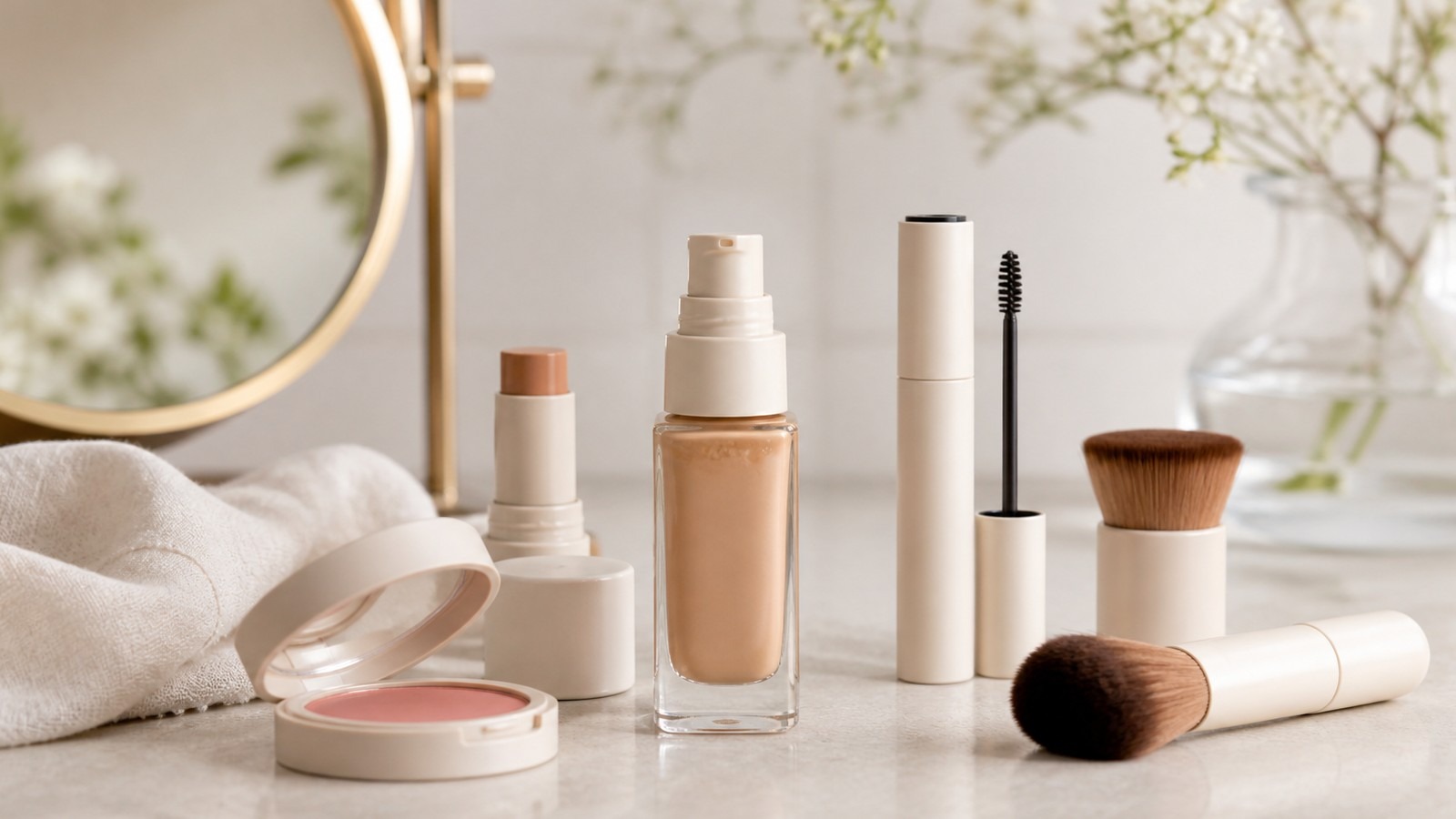
Clean makeup is not only about formula. Refillable compacts, reduced plastic, recyclable cartons, and lower-waste packaging have become part of the appeal. A foundation bottle or blush compact now communicates values before the product is even opened.
Packaging claims still need scrutiny. A bamboo cap does not make a formula clean, and recyclable packaging is only useful if it is actually recyclable in practice. But the category has pushed beauty brands to think more visibly about waste, which is a meaningful industry pressure.
Packaging also affects whether clean makeup feels modern or performative. A refillable compact that is annoying to use will not become a habit, and a recyclable carton wrapped in excess plastic sends mixed signals. The better brands treat packaging as design discipline: durable enough to protect the product, pleasant enough to keep, and honest enough not to overstate its environmental impact.
Artists Care About Performance First
Makeup artists and everyday users have the same core requirement: the product has to work. Clean makeup began gaining wider respect when artists could use it without apologizing for wear time, pigment payoff, or shade range. Performance opened the door; values helped keep people interested.
Shade range is especially important. A clean complexion product is not truly modern if only a narrow group can wear it. The industry takeover depends on inclusion as much as ingredient philosophy.
Professional acceptance matters because makeup artists are unforgiving testers. They need products that blend over skin prep, survive lights, layer without mudding, and work across ages and undertones. When an artist can reach for a clean concealer during a real appointment, not just a sponsored post, the category earns credibility. The takeover is strongest when clean products leave the bathroom shelf and enter kits, events, weddings, offices, and long days.
This is where texture variety matters. A kit needs a sheer tint, a reliable concealer, a cream color, a setting option, and products that behave on different skin ages. Clean makeup can no longer succeed as one soft beige lifestyle. It has to serve real faces under real conditions, including redness, texture, deep skin tones, oily eyelids, and dry lips.
The Category Still Needs Better Standards
The word clean remains loosely defined, and that is the category’s weak point. One brand may exclude hundreds of ingredients. Another may use the term as a mood. Shoppers need to read beyond the front label and look for specific standards, disclosed fragrance, safety testing, and clear product claims.
This is where clean makeup has to grow up. It should not ask shoppers to accept a prettier version of confusion. It should make beauty easier to understand.
Why the Shift Will Last
Clean makeup is taking over because it matches the direction of beauty culture: more ingredient literacy, more skin awareness, more demand for comfort, and more interest in responsible packaging. The products are also better than they used to be, which matters more than any slogan.
Gloss Street’s view is simple: clean makeup wins when it performs first and explains itself honestly. The future belongs to formulas that can sit beautifully on the face and stand up to a close reading of the label.
The lasting shift is also generational. Younger shoppers grew up with ingredient explainers, dermatologist videos, sustainability claims, and comment sections that challenge vague marketing immediately. They do not see label reading as obsessive; they see it as normal. That expectation will continue shaping launches, because brands that cannot explain a formula now sound dated even when the product is technically good.
The New Beauty Baseline
The takeover does not mean every conventional product will vanish. It means shoppers now expect more from every formula. Even brands that avoid the clean label are responding with fragrance-free launches, better ingredient pages, and softer skin-first textures.
That is the real influence of clean makeup. It moved the baseline.
That baseline affects conventional brands too. A brand that never uses the word clean may still reformulate a foundation to feel lighter, publish a more detailed ingredient page, remove unnecessary scent from an eye product, or introduce a refillable case. Clean makeup’s biggest impact may be the pressure it puts on the entire industry to become more legible.
The takeover is therefore less about one label winning and more about a shopper expectation becoming permanent. People want makeup that performs beautifully and explains itself without attitude. Once that becomes normal, the whole shelf has to evolve.
What This Means for Your Makeup Bag
The practical takeaway is not that every product you own needs to be replaced at once. It is that new purchases can be held to a clearer standard. When a foundation runs out, compare clean options for shade, wear, fragrance, and removal. When a mascara irritates, look for a cleaner eye formula with stronger testing language. The takeover becomes useful when it improves the next decision.
Clean makeup is strongest as a shopping lens, not a purity contest. It helps you ask whether the product looks good, feels good, and explains itself well enough to earn a place in your routine.