

Makeup isn’t just artistry—it’s chemistry, biology, and a little bit of magic blended together. Every shade, shimmer, and swipe is backed by science, from the way pigments interact with light to how formulas bond with your skin. Behind the glam, there’s a fascinating world of molecules, reactions, and innovations that transform raw ingredients into the products we use every day. Think of foundation as a balance of emollients and stabilizers, lipstick as a careful dance of waxes and oils, and mascara as an engineered polymer designed to lift, curl, and last. The Science of Makeup pulls back the curtain, taking you beyond the vanity mirror into the lab. Here, we explore why some ingredients enhance glow while others extend wear, how textures are perfected, and what makes one formula hydrating while another stays matte. Whether you’re curious about the safety of certain compounds, the sustainability of modern formulations, or the groundbreaking technology shaping future beauty, this space unpacks it all. Welcome to your ultimate ingredient dictionary—where beauty meets brains.
A: Not inherently. Irritation and poor removal cause issues; choose gentle formulas and cleanse well.
A: Usually not—most people apply too little. Use a dedicated sunscreen; treat makeup SPF as a bonus.
A: Highly reflective filters (e.g., some silica and mineral UV filters) reflecting camera flash.
A: Sebum + pigment interaction and water loss. Try oil-controlling primer, blotting, and a less warm shade.
A: It isn’t a regulated term. Patch-test and watch how your skin responds.
A: If you want smoother texture or longer wear—yes. Otherwise good skin prep can suffice.
A: Thin layers, targeted setting, and hydrating mists between layers.
A: Undertone mismatch or heavy color corrector. Match to your chest/neck in daylight.
A: Mascara ~3 months; liquids/creams ~6–12 months; powders ~12–24 months once opened.
A: Cosmetic-grade talc is purified and tested; choose talc-free if you prefer.
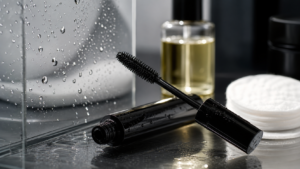
How Waterproof Mascara Actually Works
Waterproof mascara works through waxes, film formers, low-water formulas, and careful removal habits that protect lashes after wear.
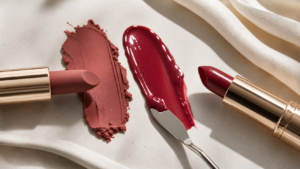
The Chemistry of Matte vs. Glossy Lipsticks
Matte and glossy lipsticks feel different because waxes, oils, powders, pigments, and film formers change shine, grip, comfort, and wear.
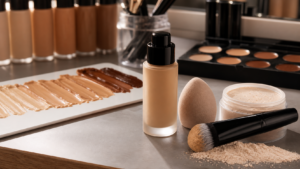
The Science Behind Long-Wear Foundations
Long-wear foundation lasts through film formers, pigment dispersion, oil control, flexible texture, and smart prep that supports the formula.