

Beauty has always been surrounded by whispers, secrets, and age-old advice passed down through generations—but not all of it holds up to the light of truth. From tales of toothpaste curing breakouts to the belief that trimming your hair makes it grow faster, beauty myths spread quickly, leaving many of us wondering what’s real and what’s simply folklore. In today’s fast-moving world of skincare science and cosmetic innovation, it’s more important than ever to separate fact from fiction. That’s where Beauty Myths vs. Facts steps in. Here, we unravel the mysteries, challenge the misconceptions, and spotlight the truths backed by dermatologists, stylists, and beauty experts. Each article digs deeper into the stories you’ve heard for years, uncovering whether they’re timeless wisdom or just clever illusions. Prepare to rethink your routines, refresh your perspective, and discover which “rules” are worth keeping—and which should be tossed aside. The journey to smarter, more confident beauty starts here.
A: Not reliably. Most people underapply; use a dedicated sunscreen, then makeup.
A: Optional. If it hydrates or delivers actives (e.g., AHA), it can help—but it’s not mandatory.
A: Only with actives that speed cell turnover (retinoids, acids). Otherwise, it’s likely irritation.
A: Both can be effective and safe; choose what you’ll apply generously and often.
A: Often similar. Look for targeted actives (retinol, peptides) if you want extras.
A: Yes. Modern formulations play well; layer as tolerated.
A: No. Over-exfoliation inflames; try salicylic acid + gentle consistency.
A: Skin doesn’t breathe; pores are follicle openings. Keep them clean and protected.
A: Definitions vary by brand. Read ingredients; rely on data, not just labels.
A: Collagen molecules are large; look for peptides/retinoids to support your own collagen.

Does Drinking More Water Really Clear Your Skin?
Water supports health, but it is not a standalone acne treatment. This guide separates hydration facts from clear-skin myths.

Is Pore Size Fixed or Can You Shrink Them?
Pore size is partly genetic, but pore appearance can change. Learn what helps pores look clearer, smoother, and less stretched.
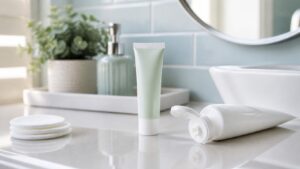
Does Toothpaste Work on Pimples?
Toothpaste can dry a pimple, but it is more likely to irritate skin than treat acne safely.