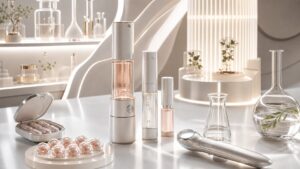
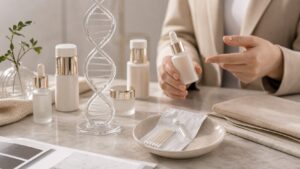
The future of beauty is being written not just in labs and test tubes, but in the fusion of science, technology, and imagination. From AI-driven formulations that analyze your skin in real time, to biotech breakthroughs that harness plant stem cells and sustainable actives, beauty science is moving beyond the ordinary into the extraordinary. This is no longer just about creams and serums—it’s about precision formulations designed to adapt to your unique biology. In this evolving landscape, myths give way to measurable results, and the artistry of cosmetics meets the rigor of research. Imagine foundations that adjust to your skin tone under changing light, or moisturizers that “learn” your hydration patterns across seasons. The line between self-care and scientific innovation has never been so thin—or so thrilling. In The Future of Beauty Science – Explained, we uncover the secrets shaping tomorrow’s skincare and makeup, offering a front-row seat to the next era of formulation mastery.
1. Biotech skincare is revolutionizing how ingredients are created and absorbed.
2. AI is being used to personalize skincare routines based on facial scans.
3. DNA testing can now help customize your product selection.
4. Smart mirrors and devices will track skin progress in real-time.
5. Skincare is shifting toward time-release and encapsulated formulas.
6. Microbiome care is key to balancing and strengthening the skin barrier.
7. Epigenetics is emerging as the next phase of anti-aging science.
8. Clinical-grade actives are being incorporated into over-the-counter skincare.
9. Predictive beauty uses algorithms to prevent skin concerns before they appear.
10. Beauty is merging with wellness, with ingredients that target both skin and mood.
1. Encapsulated retinol is trending for gentler, more effective delivery.
2. Solid, waterless skincare bars are rising due to sustainability demands.
3. AI-powered skin analysis apps are available from your phone.
4. Blue light defense is now a standard in advanced formulations.
5. Multi-functional serums are replacing multi-step routines.
6. 3D-printed sheet masks are tailored to individual faces.
7. Plant stem cells are being infused into anti-aging creams.
8. Smart patches can deliver ingredients directly into the skin.
9. Skincare pills with proven ingredients are growing in popularity.
10. Virtual dermatology is booming with real-time consultations via AI.
1. SkinCeuticals Silymarin CF – Combines science-backed actives for oily skin.
2. Futurewise Slugging System – Designed around barrier repair science.
3. Ourself Lip Filler – A non-injectable, biotech-powered lip plumper.
4. Droplette Micro-Infuser – NASA-backed tech that penetrates deep layers of skin.
5. Noble Panacea Chronobiology Serum – Uses time-release science for AM/PM care.
6. Skin Inc Serum Booster – Personalized serums based on your skin scan.
7. Augustinus Bader The Rich Cream – Based on stem cell research.
8. Revea Personalized Skincare – Combines DNA analysis and AI tech.
9. Neutrogena Skin360 App – AI skin diagnostics + routine pairing.
10. Allies of Skin Molecular Barrier Recovery Cream – Built for post-treatment skin science.
Q: Is AI skincare legit or just hype?
A: AI is increasingly reliable, especially when paired with clinical data and imaging.
Q: Can DNA testing really improve skincare?
A: Yes, it identifies predispositions to inflammation, collagen loss, and more.
Q: Will biotech ingredients replace natural ones?
A: Not replace, but offer lab-controlled, sustainable alternatives to endangered actives.
Q: Are skincare pills effective?
A: Some are—look for clinically backed supplements with collagen peptides, ceramides, etc.
Q: Can skincare predict breakouts before they happen?
A: Yes—predictive tools use data patterns to anticipate flare-ups.
Q: Is blue light really damaging to skin?
A: Emerging research suggests long-term exposure can contribute to pigmentation and stress.
Q: What’s the deal with skin microbiome care?
A: Healthy microbes help maintain balance, reduce irritation, and protect your barrier.
Q: Do time-release formulas really work better?
A: Yes—controlled delivery prevents irritation and maintains efficacy longer.
Q: Is skincare merging with mental wellness?
A: Absolutely—neurocosmetics and mood-based ingredients are gaining traction.
Q: Will we see injectable-free wrinkle reduction soon?
A: Biotech peptides and nanocarriers are pushing us closer to that goal.
1. pH-testing strips help you check your skin’s balance at home.
2. Your phone camera can analyze pores with surprising accuracy.
3. Fragrance-free doesn’t always mean scent-free—watch ingredient labels.
4. Skin microbiome health affects everything from acne to glow.
5. Blue light damage is cumulative—opt for screen-time skincare.
6. Fermented ingredients may boost absorption and potency.
7. Chronobiology is the science behind AM vs. PM formulas.
8. Peptides are more effective when paired with antioxidants.
9. Smart patches deliver active ingredients deeper than creams.
10. “Skin fatigue” is real—rotating actives may help prevent it.
1. Biotech beauty is replacing “natural” as the next clean beauty wave.
2. Skincare is merging with diagnostics—real-time skin monitoring is here.
3. The age of skin personalization has officially begun.
4. Fragrance molecules are being engineered in labs to mimic nature.
5. Neurocosmetics are products designed to boost skin and mood.
6. Beauty supplements are being formulated with pharmaceutical precision.
7. Smart tools like LED masks and microcurrent devices are becoming mainstream.
8. Sustainability is shifting from “clean” to scientifically verified eco-formulations.
9. The best-selling brands of 2025 will be backed by lab studies.
10. 3D-printed beauty devices may soon customize skincare in real time.
View Beauty Product Reviews