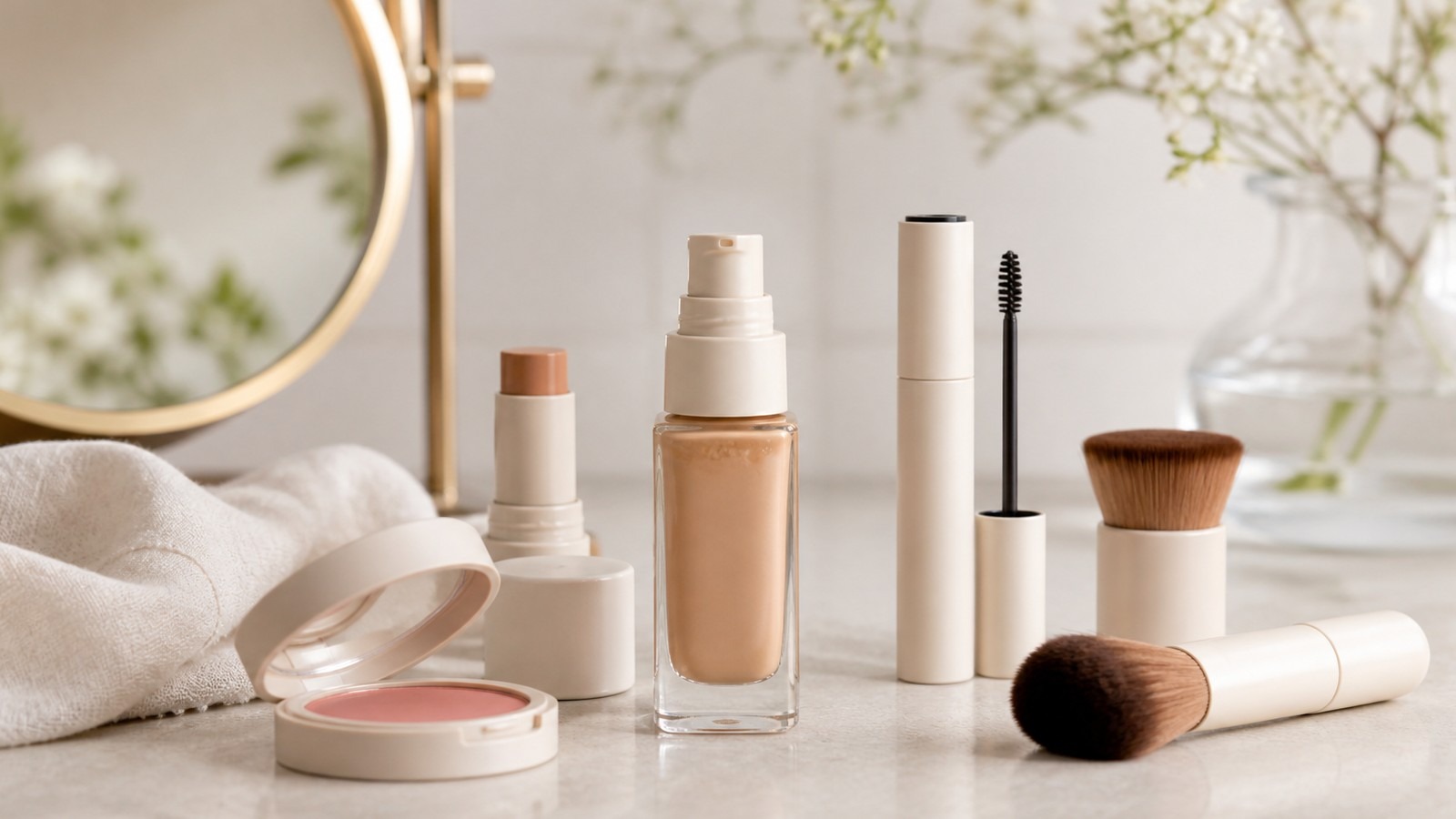
The Ultimate Beginner’s Guide to Clean Makeup
Clean makeup has moved from a niche concept to a mainstream beauty movement, driven by growing consumer awareness about ingredients, skin health, and sustainability. For beginners, however, the term can feel vague or even intimidating. Labels promise “clean,” “natural,” or “non-toxic,” yet definitions vary widely, and marketing language often blurs the facts. This guide is designed to cut through the noise and provide a clear, practical, and trustworthy foundation for understanding clean makeup—what it really is, how it works, and how to build a routine that aligns with both your skin’s needs and your personal values.
A: It aims to reduce exposure to certain ingredients, not guarantee safety.
A: Yes, many clean formulas rival traditional makeup.
A: No, vegan and clean are separate standards.
A: Sometimes, due to milder preservatives.
A: Not always—some natural ingredients can irritate.
A: It can be, especially fragrance-free options.
A: No, they are essential for preventing bacteria.
A: Regulations vary by country and brand.
A: Yes, especially with modern formulations.
A: No, gradual changes are recommended.
What Clean Makeup Really Means
At its core, clean makeup refers to cosmetic products formulated without ingredients that are widely considered harmful or controversial for human health. Unlike organic or natural certifications, “clean” does not have a single legal definition enforced by regulatory bodies. Instead, it is a philosophy adopted by brands that prioritize ingredient transparency, safety, and thoughtful sourcing. Clean makeup typically avoids certain preservatives, synthetic fragrances, and chemical compounds that have been linked to irritation or long-term health concerns, while still focusing on performance, wearability, and aesthetic quality.
The absence of a universal standard means that clean makeup is not about perfection or purity, but about risk reduction and informed choices. Many clean brands rely on scientific research to determine which ingredients to exclude, often publishing “no lists” that outline what they avoid. Understanding this nuance helps beginners approach clean beauty with realistic expectations rather than assuming it is entirely chemical-free or universally safer in every context.
The Rise of Clean Beauty Culture
The clean makeup movement gained momentum as consumers began questioning what they were applying to their skin daily. Increased access to ingredient databases, documentaries on environmental health, and a broader wellness culture contributed to this shift. Social media amplified these conversations, turning once-obscure ingredient names into household concerns and encouraging brands to respond with greater transparency.
At the same time, advances in cosmetic chemistry made it possible to replace older, harsher ingredients with safer, more skin-compatible alternatives. This combination of consumer demand and technological progress transformed clean makeup from a minimalist trend into a sophisticated category that now includes full-coverage foundations, long-wear mascaras, and richly pigmented color cosmetics.
Clean vs. Natural vs. Organic Makeup
One of the most common sources of confusion for beginners is the difference between clean, natural, and organic makeup. Natural makeup generally emphasizes ingredients derived from plants or minerals, but natural substances can still cause irritation or allergic reactions. Organic makeup refers to ingredients grown without synthetic pesticides or fertilizers, often certified by agricultural standards, yet organic formulas may still include preservatives or processing agents.
Clean makeup, by contrast, focuses on ingredient safety rather than origin alone. A clean product may include lab-created ingredients if they are proven to be safe, stable, and non-irritating. This pragmatic approach allows clean makeup to balance performance and safety without relying exclusively on raw natural materials, which can be unstable or inconsistent.
Ingredients Commonly Avoided in Clean Makeup
While no two clean brands have identical exclusion lists, there are recurring categories of ingredients that many avoid. These often include certain parabens, which have been scrutinized for their potential hormone-disrupting effects, as well as phthalates, which are sometimes used to enhance fragrance longevity. Formaldehyde-releasing preservatives are another common exclusion due to their association with skin sensitivity.
Synthetic fragrance is frequently minimized or eliminated in clean makeup, as it can mask dozens of undisclosed compounds and is a leading cause of cosmetic-related irritation. Instead, clean formulas may use essential oils or remain fragrance-free altogether. Understanding these exclusions helps beginners read labels more confidently and recognize why clean products may feel or smell different from conventional alternatives.
The Role of Safety and Regulation
Cosmetic regulation varies significantly across regions. In some countries, hundreds of ingredients are restricted or banned due to safety concerns, while others allow broader usage with fewer limitations. Clean makeup brands often choose to comply with the strictest international standards, even if local regulations are more lenient.
This proactive approach reflects a philosophy of precaution rather than reaction. Instead of waiting for regulatory action, clean brands frequently monitor emerging research and update formulations accordingly. For beginners, this commitment to safety can provide peace of mind, especially for those with sensitive skin or long-term wellness concerns.
Performance Myths and Modern Reality
A persistent myth suggests that clean makeup sacrifices performance for safety. Early iterations of clean products sometimes struggled with pigmentation, longevity, or texture, reinforcing this belief. Today, however, the landscape has changed dramatically. Modern clean formulations use advanced pigments, plant-based emollients, and innovative binders that rival, and sometimes surpass, conventional products.
Foundations now offer buildable coverage with natural finishes, mascaras deliver lift and definition without flaking, and lip products provide lasting color with nourishing oils. For beginners, this means that choosing clean makeup no longer requires compromising on aesthetic results or wear time.
Clean Makeup and Skin Health
One of the most compelling reasons people explore clean makeup is its potential impact on skin health. By reducing exposure to known irritants and sensitizers, clean products may help minimize breakouts, redness, and inflammation, particularly for those with reactive or acne-prone skin. Many clean formulas incorporate skincare ingredients such as antioxidants, botanical extracts, and barrier-supporting oils, blurring the line between makeup and treatment.
It is important to note, however, that “clean” does not automatically mean “hypoallergenic.” Individual reactions vary, and even natural ingredients can cause sensitivity. Beginners should still patch-test new products and pay attention to how their skin responds over time.
Understanding Labels and Marketing Claims
Clean beauty marketing can be persuasive, but not all claims are created equal. Terms like “green,” “eco-friendly,” or “non-toxic” are not regulated and can be used loosely. Learning to read ingredient lists remains the most reliable way to evaluate a product’s alignment with clean principles.
Reputable clean brands often provide detailed explanations of their ingredient choices and testing standards on their websites. They may disclose sourcing practices, sustainability initiatives, and third-party certifications. For beginners, seeking out this transparency can help distinguish genuinely clean brands from those using the label primarily as a marketing tool.
Sustainability and Ethical Considerations
Clean makeup often intersects with sustainability, though the two are not synonymous. Many clean brands prioritize recyclable packaging, responsible sourcing, and cruelty-free testing methods. Some go further by adopting refillable systems or supporting regenerative agriculture.
These efforts reflect a broader understanding of beauty as part of an interconnected ecosystem, where ingredient sourcing, manufacturing, and disposal all have environmental implications. For beginners, aligning makeup choices with ethical values can add an additional layer of satisfaction beyond aesthetics alone.
Building a Clean Makeup Routine from Scratch
Starting a clean makeup routine does not require replacing everything at once. A gradual approach allows beginners to explore products thoughtfully and assess what works best for their skin. Many choose to begin with base products such as foundation, concealer, or primer, as these cover the largest surface area of the face.
From there, adding clean versions of frequently used items like mascara or lip products can make the transition manageable and cost-effective. This step-by-step method also reduces waste and avoids the pressure of a complete overhaul.
Clean Makeup for Different Skin Types
Clean makeup is not one-size-fits-all. Dry skin often benefits from formulas rich in nourishing oils and humectants, while oily or combination skin may prefer lightweight textures with natural mattifying agents. Sensitive skin types should look for fragrance-free options and shorter ingredient lists to minimize potential triggers.
Understanding your skin type and concerns remains essential, regardless of whether products are labeled clean. The advantage of clean makeup lies in its emphasis on thoughtful formulation, which often results in products that are more adaptable and skin-friendly across a range of needs.
The Role of Education and Ingredient Literacy
One of the most empowering aspects of the clean makeup movement is its emphasis on education. As consumers become more ingredient-literate, they gain the ability to make informed decisions rather than relying solely on brand promises. Learning to recognize common preservatives, emulsifiers, and pigments demystifies cosmetic labels and reduces fear-based decision-making.
For beginners, this knowledge fosters confidence and encourages a balanced perspective. Clean makeup is not about avoiding every synthetic ingredient, but about understanding why certain choices are made and how they align with personal priorities.
Clean Makeup and Longevity of Use
Another practical consideration is shelf life. Clean makeup often uses alternative preservation systems that may result in slightly shorter expiration periods compared to conventional products. Proper storage, such as keeping products away from heat and direct sunlight, becomes especially important.
Being mindful of expiration dates and changes in texture or smell ensures product safety and performance. For beginners, adopting these habits early supports a healthier and more sustainable relationship with makeup overall.
The Future of Clean Makeup
The clean makeup industry continues to evolve, driven by innovation, research, and consumer demand. Emerging trends include biotechnology-derived ingredients that replicate natural compounds with greater consistency, as well as waterless formulations designed to reduce environmental impact.
As definitions become clearer and standards more widely adopted, clean makeup is likely to become less of a niche category and more of an industry norm. This shift benefits beginners and experienced users alike by raising the overall quality and transparency of cosmetic products.
Making Informed, Confident Choices
Ultimately, the goal of clean makeup is not to dictate a single “right” way to approach beauty, but to offer options rooted in safety, transparency, and respect for individual needs. Beginners should feel empowered to ask questions, research ingredients, and trust their own experiences.
Clean makeup is a journey rather than a destination, one that evolves alongside personal preferences, skin changes, and new scientific insights. By approaching it with curiosity and discernment, beginners can build routines that are both effective and aligned with their values.
Conclusion: Clean Makeup as a Mindful Beauty Practice
The ultimate beginner’s guide to clean makeup is about more than products; it is about cultivating awareness and intention in daily beauty routines. Clean makeup encourages a thoughtful examination of what we apply to our skin and why, without sacrificing creativity, self-expression, or performance.
As the beauty industry continues to innovate, clean makeup stands as a testament to the possibility of combining science, ethics, and artistry. For beginners, embracing this approach offers not only healthier skin, but a deeper connection to the choices that shape everyday beauty practices.