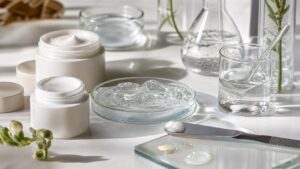
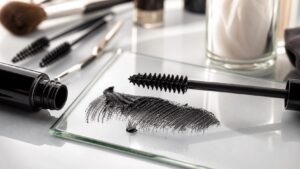
Behind every cream, serum, or lipstick lies a fascinating story—one of chemistry, creativity, and craftsmanship. Formulation Secrets: Explained is your backstage pass into the world of beauty alchemy, where ingredients transform from raw components into powerful, luxurious products that delight the senses and deliver results. Think of it as decoding the recipe book of the industry’s most innovative minds, revealing not only what goes into your favorite formulas, but why each choice matters. From the delicate balance of emulsifiers in moisturizers to the precise pH tweaks that make cleansers gentle yet effective, these secrets are where science meets artistry. This section of our site is designed to spark curiosity and deepen your appreciation for the products lining your vanity. Whether you’re a skincare devotee, a makeup enthusiast, or a budding formulator yourself, you’ll uncover the hidden techniques, breakthrough discoveries, and little-known tricks that give beauty products their magic. Ready to peek behind the curtain? The science of formulation awaits.
1. Your skin’s pH is slightly acidic—ideally around 4.7 to 5.5.
2. The skin barrier is made of lipids, ceramides, and natural moisturizers.
3. Cell turnover slows with age—boosting it is key for glow.
4. Collagen production declines by 1% per year after your 20s.
5. Vitamin C oxidizes quickly—store it away from light and air.
6. UV radiation accounts for 80% of visible skin aging.
7. Not all “natural” ingredients are safe or effective—science matters.
8. Ceramides and fatty acids repair your skin’s protective layer.
9. Your microbiome helps fight off pathogens and maintain balance.
10. Skin science is about consistency, not perfection.
1. Apply serums from thinnest to thickest texture.
2. Use sunscreen daily—even indoors—to block UVA rays.
3. Niacinamide reduces redness and strengthens the barrier.
4. Humectants like hyaluronic acid work best on damp skin.
5. Retinoids should be introduced slowly to avoid irritation.
6. Exfoliate no more than 2–3x a week with acids.
7. Look for “non-comedogenic” to reduce pore clogging risk.
8. Cold water doesn’t close pores—it’s a myth.
9. Pat, don’t rub, to avoid disrupting skin’s surface.
10. Store actives like retinol and vitamin C in cool, dark places.
1. SkinCeuticals CE Ferulic – Gold-standard vitamin C serum.
2. La Roche-Posay Cicaplast Baume – Science-backed barrier repair.
3. The Ordinary Niacinamide 10% + Zinc 1% – Affordable and effective.
4. Paula’s Choice 2% BHA Liquid – Proven to unclog pores.
5. Differin Gel (Adapalene) – FDA-approved over-the-counter retinoid.
6. EltaMD UV Clear – Broad-spectrum, dermatologist-loved SPF.
7. Avene Thermal Spring Water – Backed by clinical research.
8. CeraVe PM Lotion – Contains ceramides and niacinamide.
9. LRP Toleriane Cleanser – Gentle and pH-balanced for sensitive skin.
10. Medik8 Crystal Retinal – Stabilized, next-gen vitamin A.
Q: Do I need both vitamin C and retinol?
A: Yes, but use vitamin C in the morning and retinol at night.
Q: What’s the difference between AHAs and BHAs?
A: AHAs exfoliate the surface; BHAs penetrate pores.
Q: Can I mix niacinamide and vitamin C?
A: Yes, newer research says they’re fine to layer.
Q: Does sunscreen really prevent aging?
A: Yes—it’s the #1 anti-aging tool supported by science.
Q: Is “purging” real with acids or retinoids?
A: Yes, especially with actives like retinoids and BHAs.
Q: What’s skin barrier damage?
A: It’s when your protective layer is compromised, leading to sensitivity.
Q: Do I need to exfoliate if I use retinoids?
A: Not always. Retinoids already accelerate cell turnover.
Q: Should I avoid fragrance in skincare?
A: If you have sensitive skin, yes. Otherwise, it’s preference-based.
Q: Is more product better?
A: No—using too much can overwhelm the skin or cause reactions.
Q: Why does skincare stop working?
A: Overuse, barrier damage, or not adjusting with seasons could be factors.
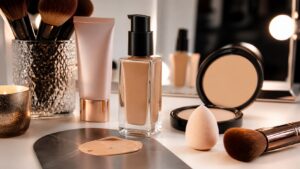
1. Apply actives to damp—not wet—skin for better penetration.
2. Occlusives like petrolatum seal in hydration after actives.
3. You only need a pea-sized amount of retinoid.
4. Over-cleansing can weaken the microbiome and barrier.
5. Retinoids aren’t just for wrinkles—they help with acne and texture.
6. Glycerin is often more hydrating than hyaluronic acid.
7. OTC retinol converts to retinoic acid in 2–3 steps.
8. Exfoliating before applying serums can improve absorption.
9. Antioxidants help sunscreen work even better.
10. Skin acts differently in high vs. low humidity—adjust your routine.
1. Skin cycling is trending—and dermatologists support it.
2. Microbiome-friendly skincare is gaining traction.
3. Encapsulated actives are making ingredients more stable and effective.
4. Peptide-rich products are rising as collagen boosters.
5. Lab-made ingredients are redefining “clean” beauty.
6. Barrier repair is the new beauty obsession.
7. Smart skincare tools like LED and ultrasound are booming.
8. Probiotic skincare is merging gut and skin health science.
9. AI-driven skin analysis is making routines smarter.
10. Biotech beauty brands are leading the science-based revolution.
View Beauty Product Reviews