Clean Makeup Ingredients Should Earn Their Place
Clean makeup shopping gets easier when you stop looking for magical ingredient names and start looking for jobs. A good formula needs pigment, slip, structure, wear, comfort, preservation, and removability. Some ingredients give color. Some keep a lipstick from snapping. Some help foundation glide. Some prevent a cream blush from separating in the compact. The cleanest-looking ingredient list is not always the best one; the best one is transparent, purposeful, and compatible with your skin. Instead of asking whether every ingredient sounds natural, ask what it does in the finished product and whether it helps the makeup perform without creating avoidable irritation.
A: They can fit clean standards, but sourcing and formulation still matter.
A: Mica is common, but ethical sourcing is the bigger concern.
A: No. Cream and eye products need appropriate preservation.
A: Not always, but fragrance-free is often better for reactive skin.
A: Some brands use it, but vegan shoppers avoid it.
A: It depends on the brand standard; they can improve texture.
A: Glycerin, squalane, and balanced emollients can help.
A: Eye safety, preservation, flexible wear, and easy removal.
A: Some can for some people; formula and skin type matter.
A: Purposeful ingredients in a finished formula that performs.
Mineral Pigments Are the Color Backbone
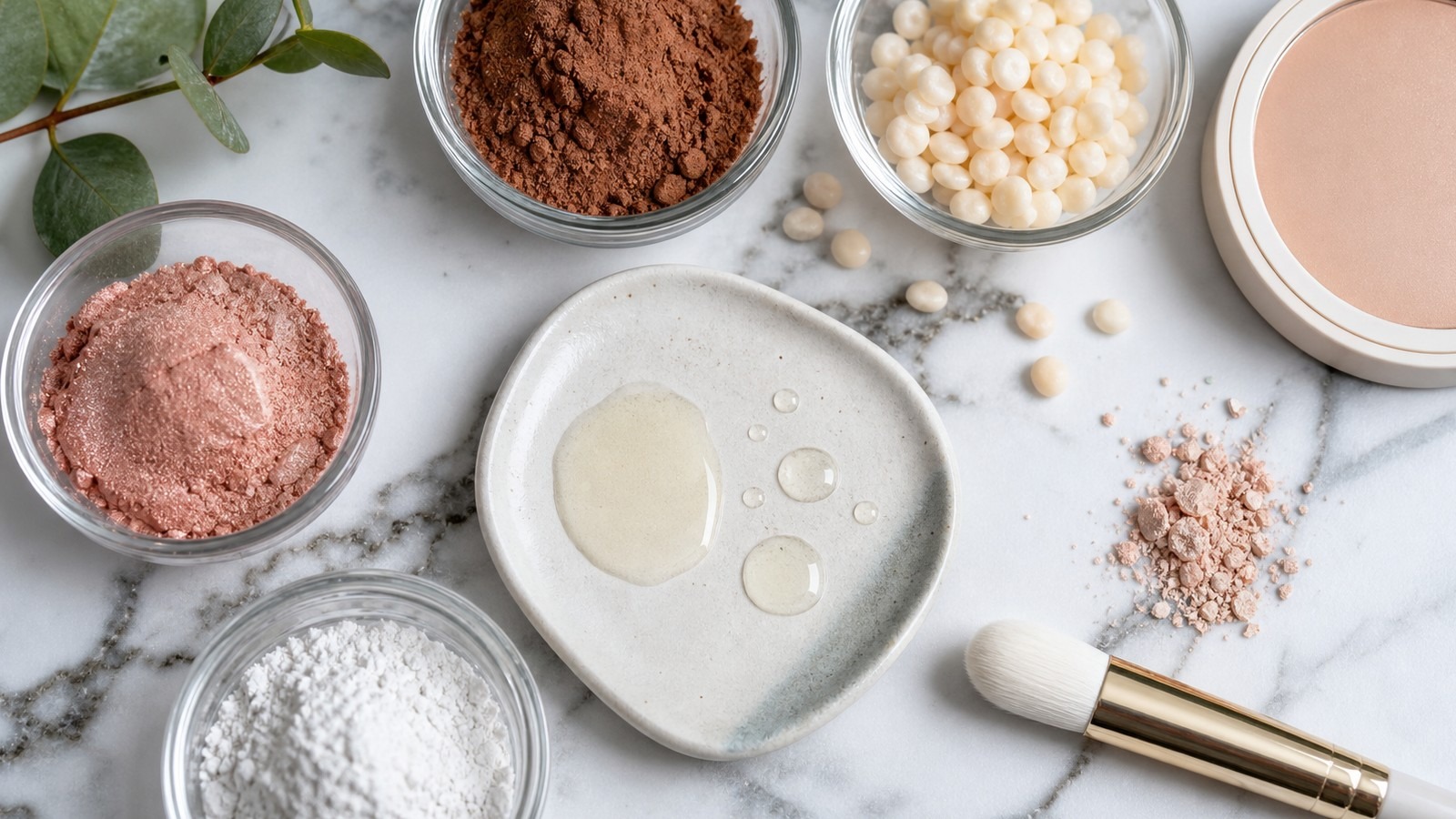
Iron oxides, titanium dioxide, zinc oxide, ultramarines, and other approved pigments help create coverage, depth, and undertone. In clean makeup, mineral pigments are often central because they can deliver color without relying on unnecessary fragrance or decorative fillers.
Pigments still need skillful formulation. A poorly dispersed pigment can look patchy, ashy, or heavy. A well-made formula uses pigments in a base that spreads evenly and matches real skin tones.
Good pigment work is especially important in complexion products because skin tone is not one flat color. Real faces have redness, olive undertones, golden areas, shadows, and places where a formula can turn gray if the pigment balance is wrong. Clean makeup earns trust when mineral pigments are blended with enough sophistication to serve real undertones rather than a narrow idea of neutral.
Plant Waxes Give Structure
Lipsticks, balms, brow sticks, and cream blushes need structure. Plant waxes such as candelilla, carnauba, and sunflower wax can help products hold shape, resist melting, and glide with control. They are not glamorous actives, but they matter every time a stick product twists up cleanly.
Emollients Decide How Makeup Feels
Squalane, jojoba esters, caprylic/capric triglyceride, and certain plant oils can make makeup feel smooth instead of dry. They help foundation spread, cream blush blend, and lip color feel flexible. The best emollient is not always the richest one. Oily skin, dry skin, and acne-prone skin may prefer different textures.
This is why clean makeup should be judged on wear, not just ingredient origin. A beautiful oil can feel too heavy in a foundation but perfect in a lip balm.
Texture is where many clean formulas either win trust or lose it immediately. A foundation can have a gorgeous ingredient philosophy, but if it drags over dry cheeks or separates around the nose, the shopper will not keep wearing it. Emollients create that first impression. They decide whether a cream product warms under fingers, whether a concealer can be tapped under the eye without tugging, and whether a lipstick moves comfortably when you talk.
Humectants Can Make Base Makeup Kinder
Glycerin, aloe, panthenol, and hyaluronic acid can add comfort to complexion products. They do not turn foundation into moisturizer, but they can reduce the dry, tight feeling some makeup leaves behind. This is especially useful in skin tints, concealers, and cream products meant for everyday wear.
Humectants need balance. Too much water-attracting ingredient in the wrong base can feel tacky or disrupt wear. Good clean makeup uses hydration without sacrificing the makeup’s job.
The most wearable clean base products often use humectants quietly rather than loudly. They do not feel like a wet serum pretending to be foundation, and they do not advertise skincare benefits so aggressively that the makeup performance gets lost. They simply make the formula more comfortable across a day when the skin would otherwise feel tight.
That comfort can change how often someone reaches for a product. If a skin tint feels calm by late afternoon, it becomes a daily option. If it starts comfortable but turns sticky, slippery, or patchy, the ingredient story will not save it. Hydrating ingredients should support wear, not interrupt it.
Mica and Shimmer Need Responsible Sourcing
Mica gives glow, pearl, and shimmer to highlighters, eyeshadows, and luminous powders. It can be beautiful, but sourcing matters because mica supply chains have raised ethical concerns. Look for brands that discuss responsible sourcing or use synthetic mica when appropriate.
The ingredient itself is not the whole story. Clean makeup should care about how materials are obtained, not only how they look on skin.
This is especially important because shimmer products are emotional purchases. People buy glow because it feels fun, polished, celebratory, or softening. Clean beauty should not ask shoppers to ignore the material story behind that glow. A brand does not need to turn every product page into a supply-chain lecture, but it should offer enough sourcing detail that the sparkle feels considered rather than careless.
Silica and Powders Control Finish
Silica, rice powder, arrowroot, and other powder ingredients can reduce shine, improve slip, and soften the look of pores. These ingredients are common in setting powders, powder blushes, and complexion products. They can be helpful, but too much can make mature or dry skin look flat.
Powder ingredients also shape how clean makeup photographs. A small amount can soften shine and keep cream products from moving, while too much can create a dry cast that makes skin look older or flatter. The best formulas understand restraint. They control finish without turning the face into a powdered surface.
Preservatives Protect Cream Products
Cream blush, liquid foundation, mascara, concealer, and skin tints need preservation because they contain water or are repeatedly exposed to air and skin. Clean makeup sometimes treats preservatives like a problem, but under-preserved makeup is a bigger problem. Eye products especially need respect.
Look for brands that explain preservation rather than pretending it is unnecessary. Safe clean makeup is not preservative-free by default. It is preserved appropriately for the product type.
The practical test is product type. A loose powder and a mascara do not face the same contamination risk. A balm in a squeeze tube and a cream pot touched by fingers every morning do not need the same preservation strategy. Good clean makeup respects those differences instead of pretending one minimalist philosophy fits every format. When a brand explains why a preservative is present, that is often a sign of seriousness, not a flaw.
Fragrance Is Usually Optional
Fragrance rarely improves makeup performance. It may make a product feel luxurious, but it can irritate sensitive skin, especially around the eyes and lips. Clean makeup shoppers with reactive skin should consider fragrance-free base products, mascaras, and lip products first.
Scented makeup is not automatically bad. It is simply less necessary than color, texture, wear, and safety. If your skin has a history of reacting, fragrance is an easy place to simplify.
The face is also not one uniform tolerance zone. A scented blush may be fine on the cheek but uncomfortable near the eyes. A flavored lip product may feel pleasant for a week and then become irritating when lips are already dry. Ingredient shopping works better when it follows use area: eye products need the strictest comfort standard, lip products should consider taste and repeated exposure, and complexion products should respect all-day contact.
Fragrance can also complicate product comparisons because it is often listed as one word while representing a mixture of aroma materials. For someone with reactive skin, that mystery makes troubleshooting harder. Choosing unscented or fragrance-free makeup does not guarantee success, but it removes one common variable from the experiment.
Removal Ingredients Matter Too
Long-wear makeup should still come off without punishment. Waxes, films, pigments, and oils all affect removal. A mascara that requires aggressive rubbing is not friendly to lashes, even if the ingredient list looks clean. A lip stain that leaves the mouth dry may not be worth the color payoff.
Build Your Ingredient Shortlist by Product
For foundation, look for pigments, flexible emollients, and comfortable humectants. For lipstick, look for wax structure, nourishing emollients, and pigment payoff. For mascara, look for safe preservation, flexible film, and easy removal. For powder, look for soft-focus ingredients that do not over-dry.
Gloss Street’s clean makeup ingredient rule is practical: look for function first, then values. A formula can be natural-looking, ethically minded, and still fail if it does not blend, wear, or feel good.
That product-by-product mindset keeps clean makeup from becoming a scavenger hunt for trendy names. You do not need every item to contain squalane, aloe, niacinamide, jojoba, and hyaluronic acid. A blush may only need beautiful pigment, blendable slip, and a stable base. A mascara may need preservation and flexible hold more than botanical romance. The better question is not, “How many clean-sounding ingredients are here?” It is, “Did each important ingredient make the product easier to wear?”
The Formula Is the Final Ingredient
No single ingredient can guarantee a great product. The finished formula decides whether clean makeup feels elegant or frustrating. Ingredient literacy helps you shop smarter, but your skin, mirror, and wear test still get a vote.
That balance keeps clean makeup grounded.
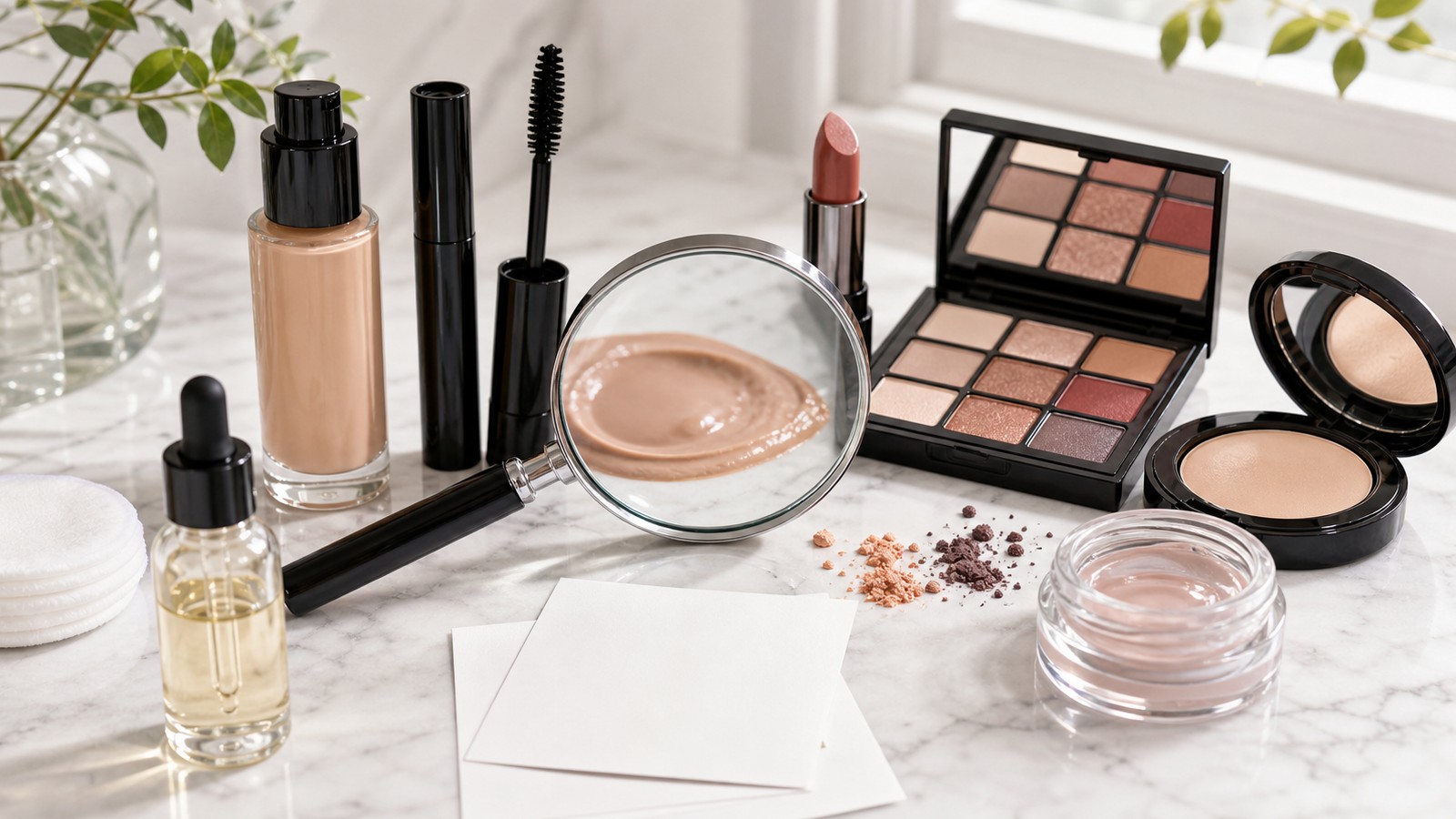
This is why swatching still matters. A clean ingredient list cannot reveal whether a concealer creases under your eyes, whether a blush lifts your base, or whether a lip pencil feels comfortable after coffee. Ingredients guide the first decision; wear testing confirms it.
The best clean makeup shopper is neither cynical nor dazzled. She reads the label, notices the texture, checks the claims, and lets the finished product prove itself.
That balanced approach also makes repeat buying easier. Once you know which ingredient families feel comfortable, which textures last on your skin, and which claims actually match your day, clean makeup stops feeling like homework. It becomes a sharper way to shop for products you will genuinely finish, recommend honestly, and repurchase without second-guessing when the next sale, shade extension, or launch appears. The label becomes a filter, not the whole verdict.
How to Read a Clean Makeup Label Without Overthinking It
Start with the product’s job. A foundation needs pigments, slip, wear, and comfort. A lipstick needs structure, color, cushion, and a pleasant feel after talking or drinking. A mascara needs preservation, eye comfort, flexible hold, and removal that does not punish the lashes. Reading a label through that lens keeps the ingredient list from becoming a wall of unfamiliar names. It also helps you separate meaningful ingredients from pretty extras that sound impressive but do not change the way the product wears.
Then look for avoidable irritants based on your own history. If fragrance bothers you, make that a priority. If heavy oils clog you, watch emollient-rich complexion products. If powders make skin look dry, look for softer textures or cream formulas. Clean makeup is personal because skin tolerance is personal. Someone else’s favorite botanical extract may be your skin’s least favorite surprise, and that is useful information rather than a failure.
Finally, compare claims with use. A product can include beautiful ingredients and still fail if it pills over sunscreen, settles into lines, or disappears after two hours. The ingredient list opens the conversation, but the finished formula has to finish it. A clean product earns repeat use only when the label, texture, shade, and wear all make sense together.