The Difference Between a Good Ingredient and a Working Product
A skincare product works when the right ingredients are used at the right level, kept stable, delivered in a tolerable base, and applied consistently enough to change the skin over time. That sounds less dramatic than a miracle claim, but it is the heart of real skincare performance. A famous active can still disappoint if the formula irritates your skin, degrades in the bottle, clashes with the rest of your routine, or asks for a timeline no product could honestly meet.
A: Sometimes, but the finished formula decides how useful that ingredient becomes.
A: No. Higher levels can increase irritation or instability without improving real results.
A: The base formula, pH, thickeners, solvents, and supporting ingredients can vary widely.
A: Hydration can be quick, while tone, texture, and fine lines usually need weeks or months.
A: Yes, especially for ingredients affected by light, air, or repeated exposure.
A: Yes. Tolerability often helps performance because you can use the product regularly.
A: It may not match your skin concern, tolerance, routine, or expectations.
A: A realistic claim supported by sensible formulation, testing, and your own consistent results.
Active Ingredients Need the Right Context
Ingredients get most of the attention, but they do not work in isolation. Retinoids, vitamin C, exfoliating acids, peptides, niacinamide, and hydrators all depend on concentration, pH, packaging, supporting ingredients, and how often they are used. A label can name an impressive active while the finished product delivers very little practical benefit.
That does not mean every product needs an aggressive percentage. Higher is not always better, especially for ingredients that can irritate or destabilize. A moderate active in a well-designed formula often outperforms a harsh product that looks powerful but leaves the skin too reactive for regular use.
The Base Formula Does Real Work
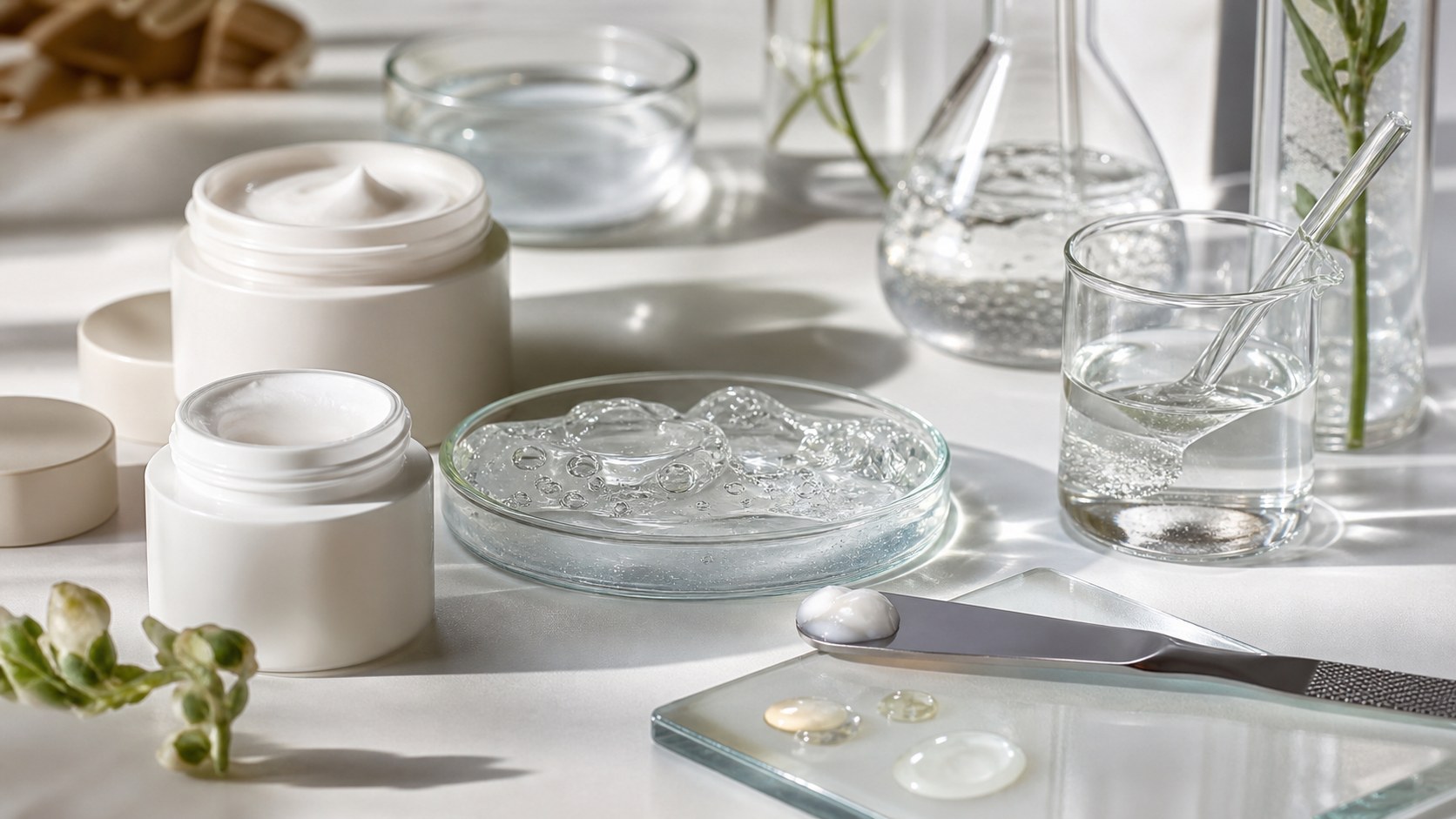
The base is not just filler. It determines slip, absorption, moisture balance, barrier support, and whether the active can sit comfortably on the skin. Humectants pull in water, emollients smooth the surface, occlusives reduce water loss, and solvents help dissolve ingredients that would otherwise remain poorly distributed.
A great base can turn a difficult active into something people use consistently. A poor base can make even a proven ingredient feel sticky, drying, greasy, or irritating. This is why two products with the same headline active can behave completely differently on the face.
Stability and Packaging Decide What Reaches Your Skin
Some ingredients are fragile. Light, heat, oxygen, and water exposure can reduce performance before the product is halfway finished. Packaging choices such as opaque tubes, airless pumps, and smaller openings can protect formulas better than wide jars for certain actives.
Stability also affects user trust. If a product changes color, smell, or texture quickly, it may no longer perform as intended. Good formulation anticipates the real bathroom environment, where products face humidity, repeated opening, and months of use.
Delivery Is About More Than Absorption
People often talk about absorption as if deeper is always better, but skincare does not need to push every ingredient as far as possible. Some ingredients are meant to work at the surface; others need better contact with specific layers. Effective delivery means getting the ingredient where it can help without causing unnecessary irritation.
Texture influences delivery because it changes how people apply the product. A serum that spreads evenly and layers well is more likely to be used at the right amount. A cream that pills or feels suffocating may be used too sparingly, reducing performance even if the formula is technically strong.
Testing, Time, and Realistic Claims
A product works best when its claims match what the formula can reasonably do. Hydration can improve quickly, while discoloration, fine lines, acne patterns, and barrier resilience take longer. Before-and-after claims should be treated carefully unless the brand explains the testing conditions and timeframe.
Your own routine is also part of the test. A brightening serum will struggle if sunscreen is inconsistent. An acne product may look ineffective if heavy makeup removal keeps irritating the skin. A barrier cream cannot fully help if exfoliation is excessive. Product performance is often formula plus behavior.
How to Judge Results Without Falling for Hype
A useful way to judge skincare is to separate immediate feel from long-term change. A moisturizer can make skin feel softer in minutes because it smooths the surface and reduces water loss. A dark-spot treatment, retinoid, or acne routine needs much more time because it is influencing processes that do not reset overnight. Confusing these timelines makes good products look weak and overhyped products look magical for the wrong reason.
Look at the claim language. Words like helps, improves the appearance of, supports, and visibly smooths are different from promises to erase, reverse, detox, or rebuild. Responsible brands often sound less dramatic because they are describing realistic cosmetic outcomes. The quieter claim may actually be more trustworthy than the one that sounds like a complete transformation.
Routine compatibility is another overlooked part of product performance. A serum that works well in a lab can still fail in your bathroom if it pills under sunscreen, irritates alongside your exfoliant, or makes makeup separate. Products do not live alone. They live inside a routine, and the best formula for you is one that cooperates with the steps you already need.
Consistency should be measured honestly. If a product is used twice a week because it feels sticky, the results will not match reviews from people who enjoy using it every night. That does not make you undisciplined; it means the formula may not fit your preferences. Texture, scent, packaging, and finish all influence whether a product gets enough use to show what it can do.
When results are unclear, change one variable instead of rebuilding the routine. Keep the cleanser, moisturizer, and sunscreen steady while you evaluate the treatment. Take photos in similar lighting every few weeks if the concern is tone or texture. Skin memory is emotional and unreliable; simple records can keep you from quitting too early or believing progress that is not really there.
The most effective skincare mindset is curious but unsentimental. Appreciate good formulation, but make every product earn its place. If it has a plausible active, stable packaging, a tolerable base, realistic claims, and a clear role in your routine, it deserves a fair trial. If it only has a fashionable ingredient and a beautiful bottle, admiration is not the same as evidence.
The Bottom Line on Effective Skincare
A skincare product actually works when science, formula design, packaging, and habit line up. The ingredient list matters, but so do the less glamorous details: pH, texture, preservatives, stability, compatibility, and patience. Those are the details that turn a promising idea into a product worth finishing.
The smartest shopper does not chase every trending active. They ask what the product is supposed to do, whether the formula is built to do it, and whether their skin can tolerate it long enough to see results. That mindset cuts through hype without making skincare joyless.