Why Foundation Wear Is a Formula-and-Technique Partnership
Long-lasting foundation is not created by one secret ingredient or one viral application trick. It happens when the formula’s film formers, pigments, oils, powders, and texture match the way your skin produces oil, holds moisture, moves, and faces weather throughout the day. The best result comes from understanding both sides of the equation: what the foundation is built to do and how your prep, tools, and finishing steps help it stay believable.
A: No. Matte can help oil control, but dry skin may wear better in a flexible satin finish.
A: Oil, friction, skincare slip, and too much product commonly cause nose breakup.
A: Only if it solves a specific problem and works with your foundation.
A: Not usually. They do different jobs and may work best together in small amounts.
A: Use thinner layers, improve dry-zone prep, and powder more selectively.
A: Pigment dry-down, skin oils, and a slightly wrong undertone can all contribute.
A: The better tool is the one that gives even coverage without excess thickness.
A: The foundation fades evenly and remains flattering instead of cracking or separating dramatically.
What Makes a Foundation Set
Many long-wear foundations rely on film formers that create a flexible layer over the skin as the product dries. This layer helps pigment stay more evenly distributed and resist transfer. The trick is flexibility: if the film feels too rigid, it can crack around expression lines or cling to dry patches.
Powders, silicones, volatile ingredients, and emollients also shape wear time. Some ingredients evaporate after application, leaving pigment and film behind. Others keep the formula creamy enough to blend before it sets. A foundation that lasts well has to balance playtime with dry-down, which is why rushing or overworking it can change the finish.
Skin Prep Decides How the Formula Meets Your Face
Foundation lasts longer on skin that is neither slick nor dehydrated. Oily areas can break makeup apart, while dry areas can grab pigment and make the product look heavier than it is. Good prep is targeted: lightweight moisture where skin is tight, less slip where skin gets shiny, and enough settling time before foundation goes on.
Primer can help, but it is not magic. A gripping primer may extend wear, a smoothing primer may soften texture, and a mattifying primer may reduce shine. Problems appear when primer and foundation bases dislike each other. If makeup pills or separates immediately, the issue may be compatibility rather than your technique.
Application Amount Matters More Than People Think
Long-wear foundation often performs best in thin layers. A heavy first layer may look perfected for ten minutes, then crease, separate, or transfer because there is too much product sitting on the skin. Applying less, letting it settle, and adding coverage only where needed can make the finish last longer and look more skin-like.
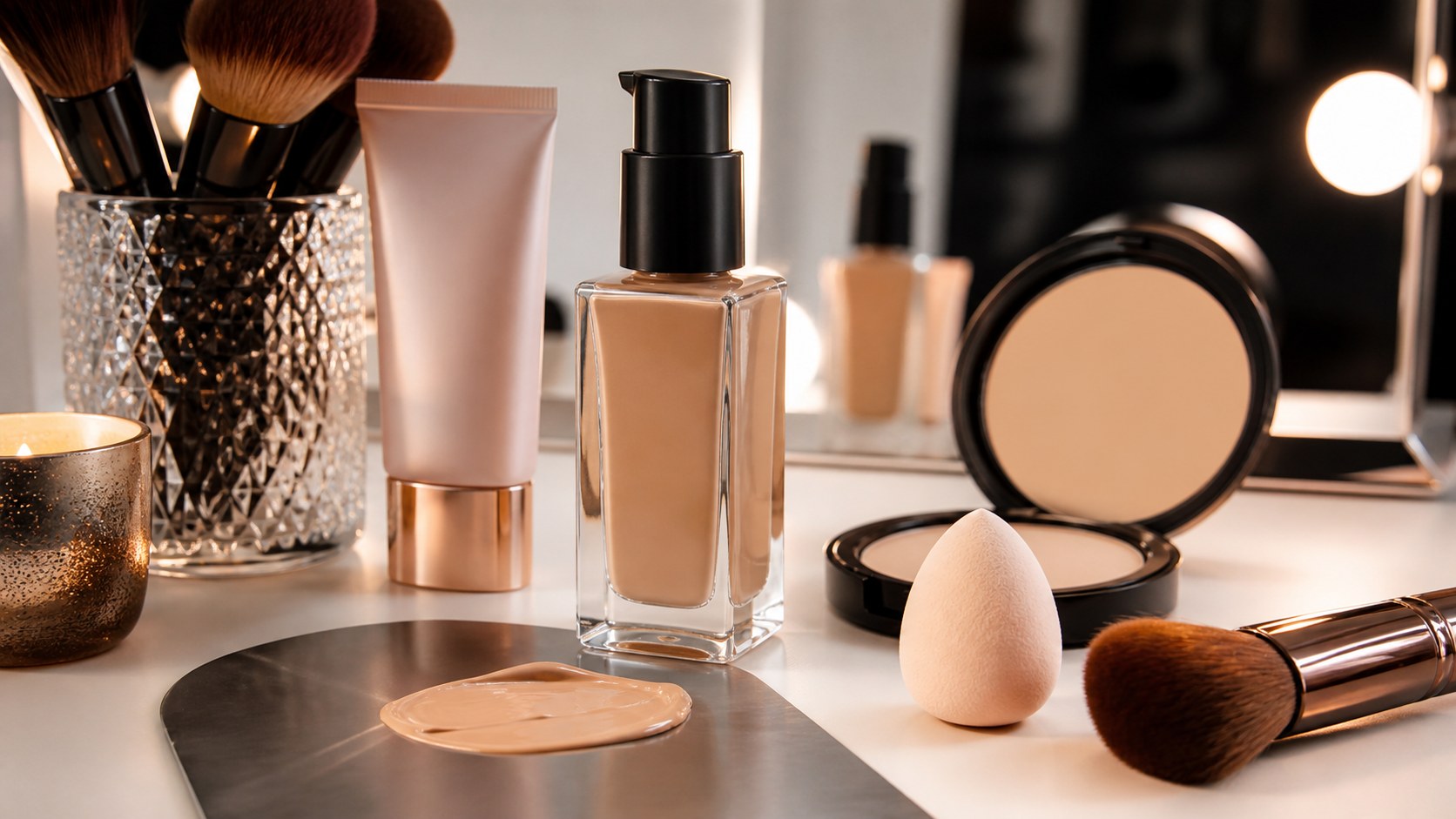
Tools affect thickness. A damp sponge can sheer out product and press it into texture, while a dense brush can build coverage quickly. Fingers warm the formula and can work well with flexible creams. The right tool is the one that gives even coverage without forcing you to keep adding more product.
Powder, Spray, and the Midday Reset
Powder extends wear by reducing surface tack and absorbing oil, but too much powder can make foundation look dry or textured. Use it strategically on the center of the face, under glasses, around the nose, or wherever makeup moves first. Pressing powder is usually better than sweeping when you want to avoid disturbing the base.
Setting spray can reduce a powdery look or add hold, depending on the formula. Some sprays are mostly refreshing mists, while others contain film-forming ingredients. Sensitive or dry skin should watch for alcohol and fragrance, because a product that improves wear should not make the skin feel hot or tight.
A good midday reset is gentle. Blot oil before adding powder, press creased areas smooth with a clean sponge or fingertip, and avoid layering more foundation over broken texture unless you have removed excess oil first.
Why Foundation Separates, Oxidizes, or Cakes
Separation often comes from oil, incompatible layers, sweat, or too much product. Oxidation can come from pigments interacting with skin oils, formula changes as it dries, or a shade that was slightly off in the first place. Caking usually happens when dry texture, powder overload, and heavy coverage meet in the same area.
The fix depends on the pattern. If foundation breaks around the nose, use less skincare slip there and set lightly. If it cakes on cheeks, improve hydration and reduce powder. If it turns orange, test shades in daylight after a full dry-down instead of choosing immediately at the counter.
How to Customize Wear for Your Actual Day
Foundation longevity should be planned around the day ahead. A desk day, wedding, humid commute, outdoor lunch, and evening event all challenge makeup differently. The formula that looks best for four indoor hours may not be the one that survives heat and movement. Instead of expecting one application method to work everywhere, adjust prep, layer thickness, powder, and touch-up tools to the situation.
Climate changes the rules. In dry weather, heavy powder can make even a beautiful foundation look papery. In humidity, the same foundation may need more strategic setting around the nose, upper lip, and forehead. Seasonal adjustments do not mean your favorite base stopped working. They mean your skin and environment are giving the formula a different surface to manage.
Skin behavior during the day matters more than skin type labels. Someone who calls their skin oily may still have dry cheek texture. Someone with dry skin may get sunscreen-related shine in the T-zone. Map where makeup actually breaks down on your face. Then prep and set those zones differently instead of treating the whole face as one problem.
Touch-ups should be thin and corrective, not decorative. If oil has surfaced, blot before adding powder. If foundation has gathered in a crease, smooth the crease before setting it again. If a patch has lifted, adding more foundation over the lifted edge can make it more obvious. Small repairs usually look fresher than a second full face of makeup.
Long-wear products also need skin recovery time. If you use gripping primer, matte foundation, heavy powder, and long-wear spray every day, your skin may eventually feel dry or congested. A gentle removal routine and a supportive nighttime moisturizer help keep the surface smooth enough for tomorrow’s foundation to sit well.
The real secret is not making foundation immovable. Skin moves, oil appears, weather changes, and texture is normal. The better goal is a base that wears down evenly, accepts small repairs, and still looks intentional at the end of the day. That kind of longevity is more flattering than a mask that technically stays put but stops looking like skin.
The Bottom Line on All-Day Base
The secret behind long-lasting foundation is alignment. The formula has to match your skin type, your prep has to support the finish, and your application has to respect how the product sets. Once those pieces work together, longevity feels less like a battle and more like a predictable result.
Instead of chasing a foundation that promises to survive everything, look for one that wears down gracefully. The best base still looks like your skin after several hours, even if you need a blot or a small touch-up. Graceful fading is often more flattering than rigid perfection.