Sensitive Skin Sunscreen Has to Protect Without Picking a Fight
The best sunscreen for sensitive skin is not simply the one with the highest SPF on the shelf. It is the one you can wear generously, reapply without dread, and trust not to leave your face hot, itchy, greasy, chalky, or watery-eyed by lunch. In 2025, sunscreen formulas are more elegant than they used to be, but sensitive skin still has its own rules. Fragrance-free matters. Texture matters. The filter system matters. So does the way a formula behaves around the eyes, under makeup, over moisturizer, and during a humid commute. A sunscreen that looks perfect on someone else’s glowing skin can still be wrong for you if it stings your cheeks or makes your eyelids angry. The goal is to choose sun protection like a daily skincare step, not like a beach-only product you tolerate twice a year.
Start With Broad-Spectrum Protection
Sensitive skin still needs the same non-negotiable protection as every other skin type: broad-spectrum coverage and enough SPF for real daily exposure. Broad-spectrum means the formula helps protect against both UVB rays, which are tied to burning, and UVA rays, which contribute to premature aging and deeper cumulative damage.
For most daily routines, SPF 30 or higher is the practical baseline. More important than chasing the biggest number is applying enough and reapplying when the day demands it. People with sensitive skin sometimes avoid sunscreen because past formulas burned or broke them out.
That is understandable, but it leaves the skin more vulnerable to redness, discoloration, and barrier stress. Sun exposure can make many reactive conditions look worse, including rosacea-prone flushing, post-acne marks, and irritation after exfoliation. The right sunscreen is not extra; it is part of keeping the skin calmer over time.
Why Mineral Filters Often Win for Reactive Faces
Mineral sunscreens use zinc oxide, titanium dioxide, or both. Many sensitive-skin shoppers gravitate toward them because they tend to be less stingy around the eyes and less irritating for some reactive complexions. Zinc oxide in particular is popular in gentle formulas because it provides broad coverage and is commonly used in products designed for easily upset skin. That does not mean every mineral sunscreen feels beautiful. Some are thick, drying, or visibly pale. Still, mineral filters are often the best starting point when chemical formulas have repeatedly burned. The tradeoff is cosmetic elegance. A mineral sunscreen can leave a white cast, especially on deeper skin tones, unless it is tinted, carefully dispersed, or blended into a more transparent finish. Tinted mineral sunscreens can be excellent for sensitive skin because iron oxides may also help with visible-light related discoloration, but tint ranges remain uneven across the market. A good pick should disappear enough that you actually use it.
Chemical Sunscreens Are Not Automatically Bad
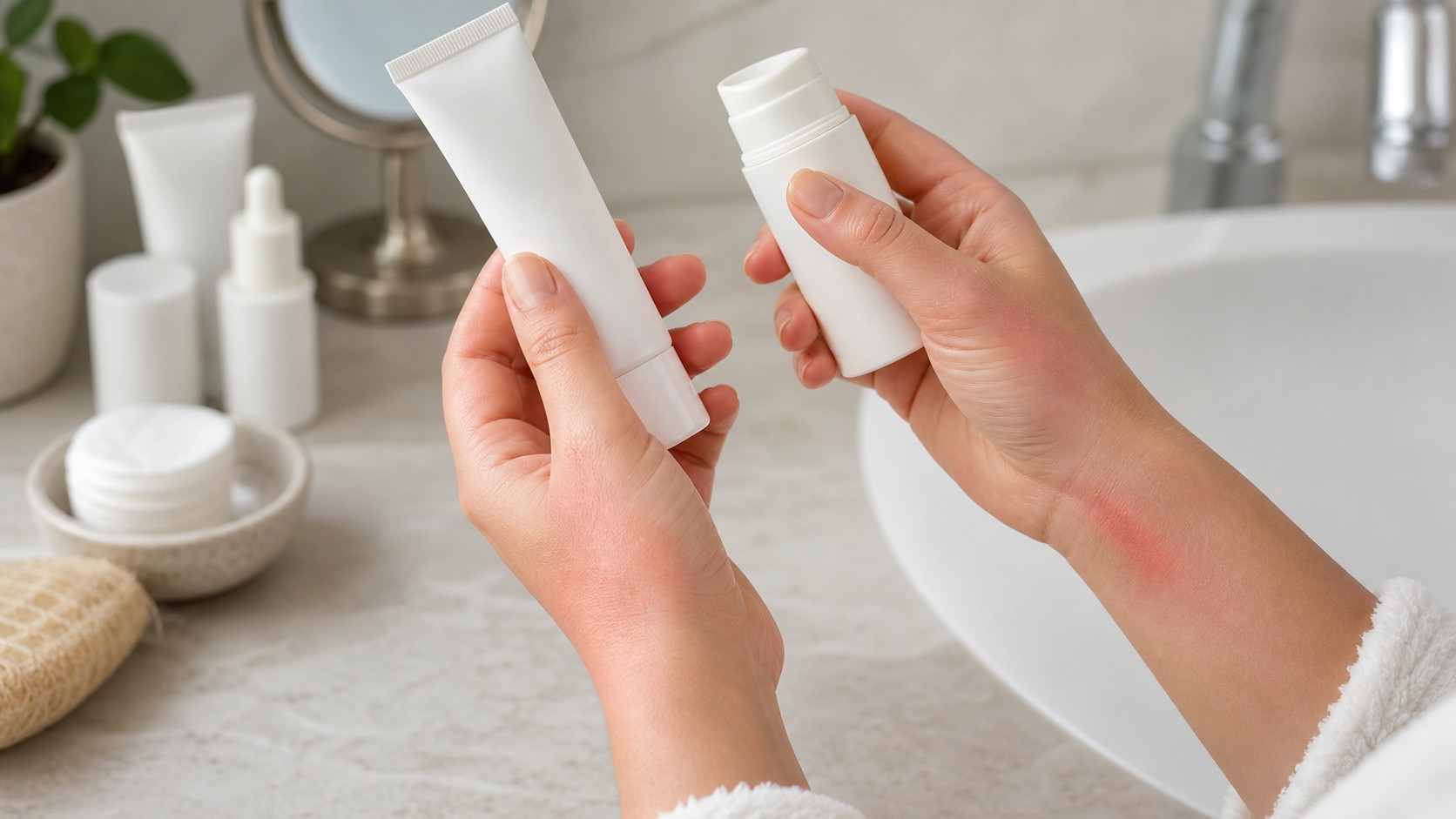
Some sensitive-skin advice makes chemical sunscreens sound universally harsh, but the truth is more nuanced. Many people with reactive skin wear chemical filters comfortably every day. They often prefer the lighter texture, invisible finish, and easier layering under makeup. The problem is that certain formulas can sting the eyes, especially when sweat, humidity, or facial movement causes migration. Others include fragrance, alcohol-heavy bases, or actives that are not ideal for compromised barriers.
If you want to try a chemical sunscreen, treat it like a product trial rather than a leap of faith. Choose fragrance-free when possible, test it on a low-stakes day, and pay attention to eye comfort after several hours, not just the first five minutes. If your cheeks burn immediately or your eyes water every time, that formula is not your sunscreen, no matter how nice the finish looks.
Texture Is a Skin-Comfort Issue
Sunscreen texture is not vanity. For sensitive skin, texture can decide whether the product gets applied properly. Thick pastes may require too much rubbing, which can worsen redness. Very matte formulas can feel tight if your barrier is dry. Rich creams may trap heat or feel smothering on oily but reactive skin. The best texture is the one that glides easily, settles comfortably, and lets you use the full amount without negotiation. Dry sensitive skin usually does better with creamy mineral lotions or moisturizing hybrid formulas. Oily sensitive skin may prefer fluid mineral sunscreens, gel-cream chemical formulas, or lightweight untinted lotions. Redness-prone skin often benefits from a tinted finish that softens visible flushing without requiring a separate foundation step. The right texture makes sunscreen feel less like armor and more like routine.
Fragrance-Free Beats Pretty Every Time
Fragrance is one of the first things to remove when choosing sunscreen for sensitive skin. That includes obvious perfume, essential oils, and botanical scent blends. A beachy scent may feel nostalgic, but your face does not need nostalgia.
It needs a formula that does its job quietly. Fragrance-free sunscreen also layers better with the rest of a sensitive routine because it reduces the number of variables touching the skin every morning. Look beyond front-label claims.
A sunscreen can be marketed as gentle and still include fragrant plant extracts. If you have a history of reactions, scanning the ingredient list becomes part of the shopping process. The goal is not fear; it is fewer surprises.
Eye Sting Deserves Its Own Test
Many sunscreens pass the cheek test and fail the eye test. The skin around the eyes is thin, mobile, and easy to irritate. A formula may feel fine at application but migrate after heat or sweat. If your eyes water, burn, or feel gritty every afternoon, the sunscreen may be the reason. Mineral sticks, dedicated eye-area sunscreens, or careful application with a less migratory formula can help.
Do not apply sunscreen into the lash line as if it were eye cream. Use a measured approach around orbital bone areas, and rely on sunglasses and hats for additional protection. Sensitive skin routines work best when products and physical protection share the job.
How to Test a New Sunscreen
Test sunscreen on a normal day before trusting it on vacation, after a peel, or during a long outdoor event. Apply it over your usual moisturizer and wear it for several hours. Notice whether it pills, tightens, burns, breaks down into the eyes, or creates bumps by the next morning. If the first test goes well, try it again with your makeup or during a slightly warmer day. Sunscreen performance is lived, not just swatched. Avoid testing a new sunscreen on the same day you restart retinoids or exfoliating acids. If irritation appears, you will not know what caused it. Keep the rest of the routine boring so the sunscreen can be judged fairly.
What the Best Picks Usually Have in Common
The best sunscreens for sensitive skin in 2025 tend to share a few traits: fragrance-free formulas, broad-spectrum SPF 30 or higher, low-sting wear, and a texture that does not require aggressive rubbing. Some are mineral, some are hybrid, and some are chemical formulas made with restraint. The right category depends on your skin tone, oil level, climate, makeup habits, and personal trigger history.
For redness-prone faces, a tinted mineral cream can double as soft coverage. For dry barrier-damaged skin, a moisturizing sunscreen may prevent the tight feeling that makes people skip reapplication. For oily reactive skin, a thin lotion that sets without alcohol-heavy sharpness may be the winner. The best sunscreen is not the most famous one. It is the one that keeps showing up because you are willing to wear it.
White Cast Is a Compliance Problem
White cast is often treated like a cosmetic complaint, but for sensitive skin it becomes a protection issue. If a sunscreen leaves an obvious gray or purple veil, many people apply less than they need, reserve it for private days, or abandon it completely. That means the formula is failing daily life even if the ingredient list looks gentle.
Tinted mineral sunscreens, newer sheer mineral dispersions, and carefully chosen hybrid formulas can make protection more wearable across more skin tones. Do not judge cast only on the back of the hand. Apply the real amount to the face, let it settle, and check in natural light.
Some formulas look pale for five minutes and then soften. Others never recover. The right sunscreen should respect both the skin and the mirror.
Makeup Layering Can Change Comfort
A sunscreen that feels calm alone may pill under foundation, and a formula that looks too shiny by itself may become perfect under powder. Sensitive-skin shoppers should test the sunscreen in the routine they actually wear. Give moisturizer time to absorb, apply sunscreen in even layers, and avoid rubbing foundation aggressively over it. Pressing or stippling is often kinder than buffing. If makeup removal is part of your day, consider the full cycle. A water-resistant sunscreen plus long-wear foundation may require more cleansing than your skin enjoys. Sometimes the best sensitive-skin sunscreen is the one that wears nicely and also comes off without a battle at night.
Do Not Ignore Neck and Chest Comfort
Sensitive-skin sunscreen testing often stops at the face, but the neck and upper chest can be just as reactive.
Fragrance, tight collars, sweat, and necklace friction can make these areas sting or itch under formulas that seem fine on the cheeks.
A sunscreen that works beautifully on the face but irritates the neck may still need a separate body-friendly companion. Daily protection is easier when every exposed area has a formula it can tolerate without daily negotiation.
Application Habits Make or Break the Formula
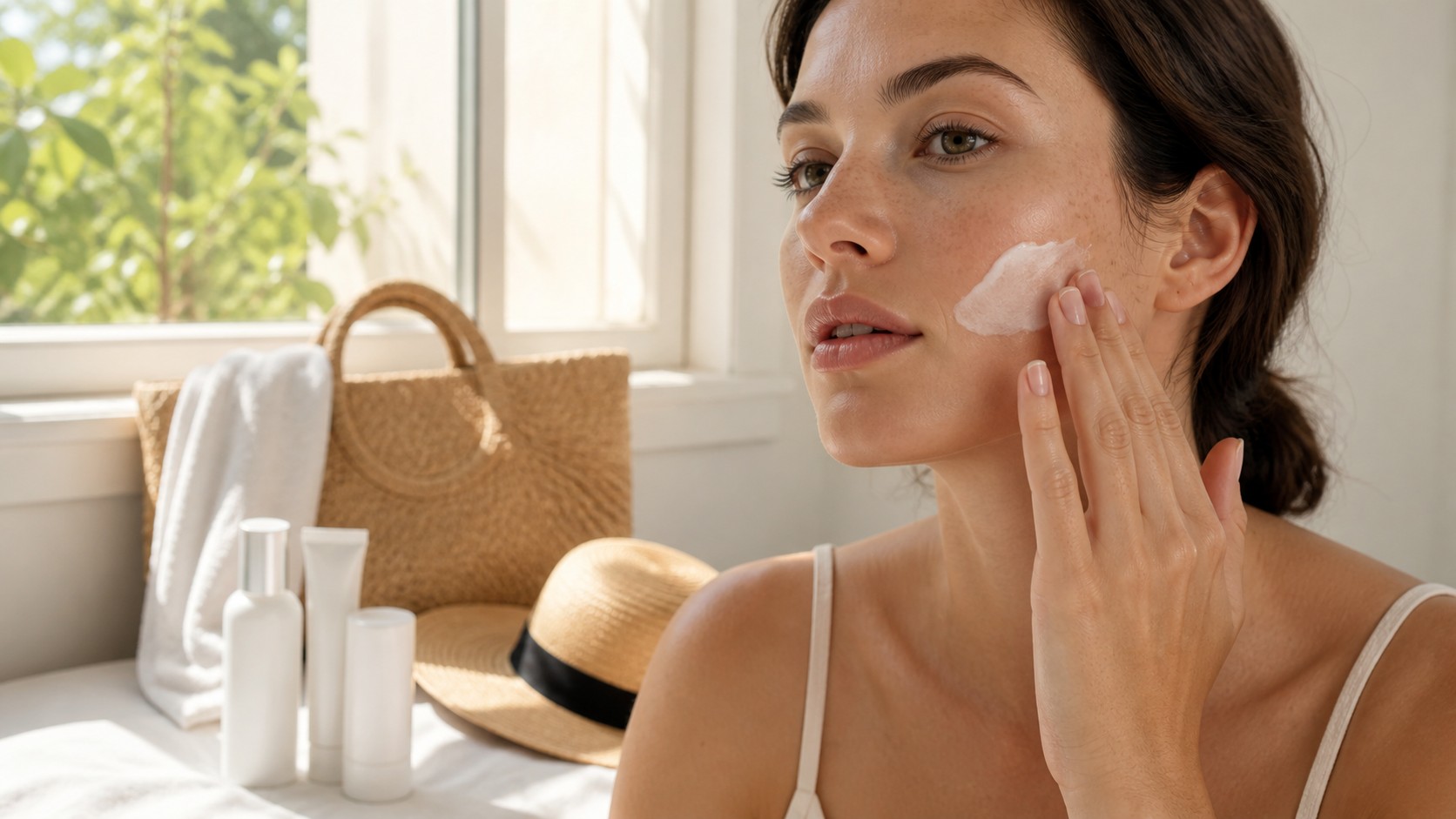
Even a beautiful sunscreen cannot protect well if it is applied like a highlighter. Use enough product to cover the face, ears, neck, and any exposed chest. Let moisturizer settle first if layering helps comfort. Reapply after sweating, swimming, extended outdoor exposure, or long days near windows and sun. Powder SPF and sprays can be useful touch-up helpers, but they should not be the only protection on a sensitive face. Think in layers of defense. Sunscreen is central, but hats, sunglasses, shade, and UPF clothing reduce how hard the formula has to work. Sensitive skin often likes that partnership because it limits both UV exposure and product overload.
The Gloss Street Sensitive-Skin Sunscreen Rule
If sunscreen keeps irritating you, do not give up on protection; get more specific. Decide whether the problem is stinging, white cast, breakouts, dryness, eye watering, or texture. Each problem points toward a different fix. Mineral may solve stinging but create cast. Tinted may solve cast but feel too rich. A lighter chemical formula may solve texture but bother the eyes. The best choice comes from matching the formula to the problem you actually have.
In 2025, sensitive skin has better options than ever, but the winning sunscreen is still personal. Choose broad-spectrum protection, remove unnecessary fragrance, test patiently, and let comfort matter. The sunscreen you wear every day beats the impressive tube that stays untouched in a drawer.