Redness Needs Calm, Not a Bigger Routine
Sensitive skin redness can make even a careful beauty lover feel cornered. One morning the cheeks look flushed, the next a moisturizer stings, and suddenly every mirror seems to ask what went wrong. The best soothing remedies are rarely dramatic. They are quiet, consistent, and designed to reduce pressure on a barrier that is already complaining. Redness may come from weather, over-cleansing, exfoliation, fragrance, heat, sun exposure, a new active, or an underlying condition such as rosacea or eczema. Because the causes vary, the smartest first response is not to throw ten calming products at the skin. It is to cool the situation, remove likely irritants, rebuild comfort, and watch for patterns. A truly soothing plan treats redness as a signal, not as a flaw to cover as quickly as possible.
Start by Cooling the Skin Gently
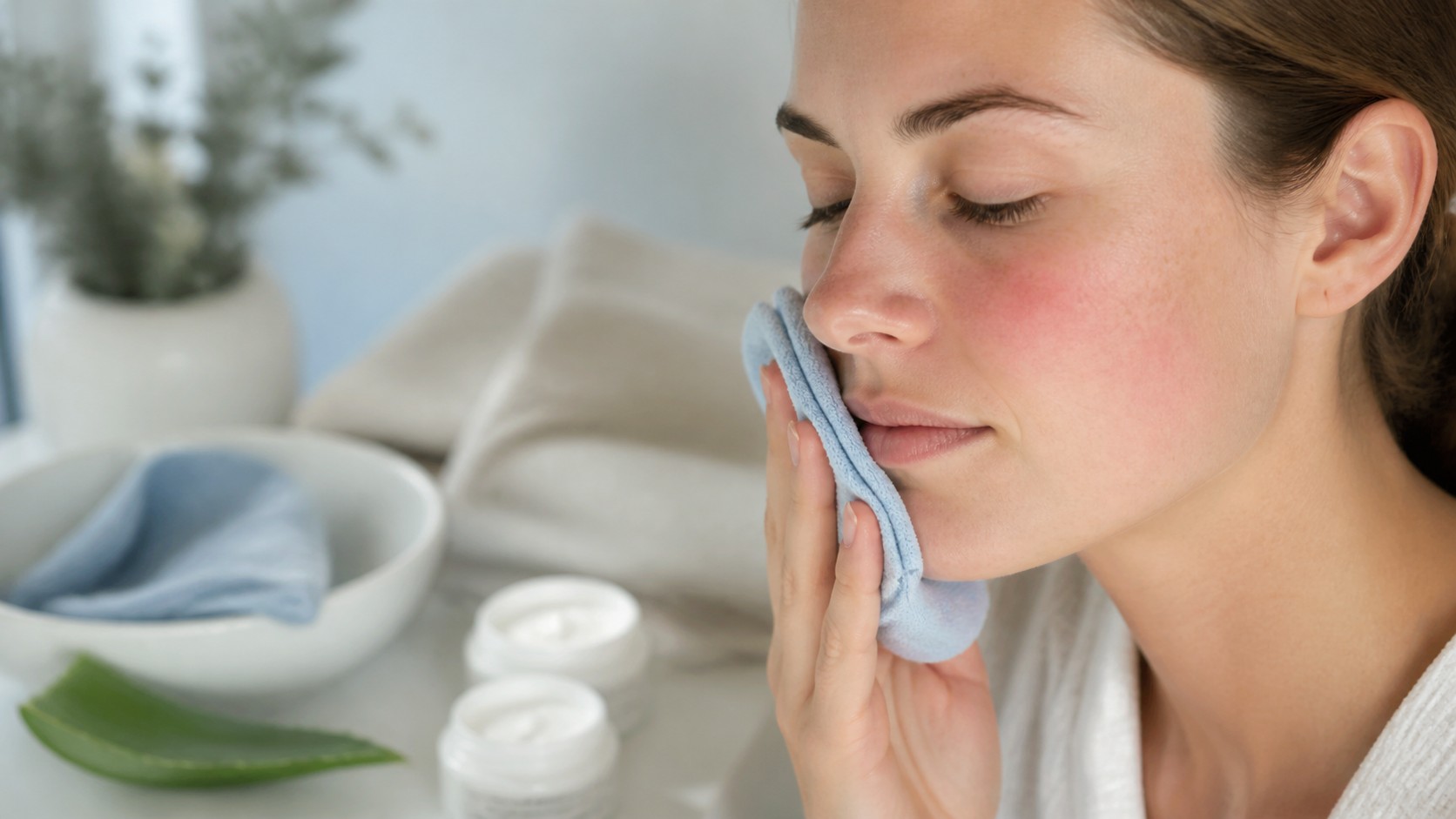
When sensitive skin feels hot, a cool compress can bring relief without adding another ingredient. Use a clean soft cloth dampened with cool water, press it lightly to flushed areas, and stop before the skin gets chilled or numb. The point is comfort, not shock. Ice directly on the face can be too harsh, especially for thin or reactive skin, and aggressive temperature swings may make redness rebound. This simple step is underrated because it does not feel glamorous. Yet it helps interrupt the urge to scrub, mask, or pile on treatments. If redness is tied to heat, exercise, a hot shower, or a spicy meal, cooling the skin and the environment can make the rest of the routine more tolerable.
Pause the Products That Push
Red skin does not need a challenge round. Pause exfoliating acids, retinoids, vitamin C if it stings, scrubs, peel pads, fragranced masks, and anything marketed around tingling or resurfacing. These products can be useful in a calm routine, but during a flare they often act like wind on a small fire. Even a trusted active may need a break when the barrier is unsettled.
Keep the routine limited to a gentle cleanser, moisturizer, and sunscreen. If cleansing itself makes the face tight, cleanse only at night and rinse with lukewarm water in the morning. Sensitive skin often improves when you remove the product noise long enough to hear what is actually causing the flush.
Moisturizer Is the Main Remedy
A good moisturizer does more than make the skin feel soft. It supports the barrier so the skin loses less water and faces irritants with more resilience.
Look for formulas with humectants such as glycerin or hyaluronic acid, barrier-supporting lipids such as ceramides, and soothing ingredients such as panthenol, colloidal oatmeal, allantoin, or madecassoside. The exact ingredient list matters less than whether the formula feels calm and consistent on your face.
Apply moisturizer while the skin is slightly damp, then give it time to settle. If the skin is very dry, a thin layer of petrolatum or a balm over the most irritated patches at night can reduce water loss. This is not about slugging the entire face into a suffocating shine; it is about protecting the areas that feel raw.
Use Lukewarm Water Like a Rule
Hot water can make sensitive redness worse by increasing blood flow and stripping surface lipids. Long steamy showers may feel relaxing to the mind but stressful to the face. Wash with lukewarm water, keep shower spray off the cheeks when possible, and moisturize soon after. If your face turns red every time you bathe, the water temperature may be part of the pattern. The same logic applies to workouts, saunas, and outdoor heat. You do not need to avoid life, but you can lower the intensity of the trigger. Cooling towels, shade, breathable hats, and gentle post-sweat cleansing can reduce the after-flush.
Sunscreen Is a Redness Remedy Too
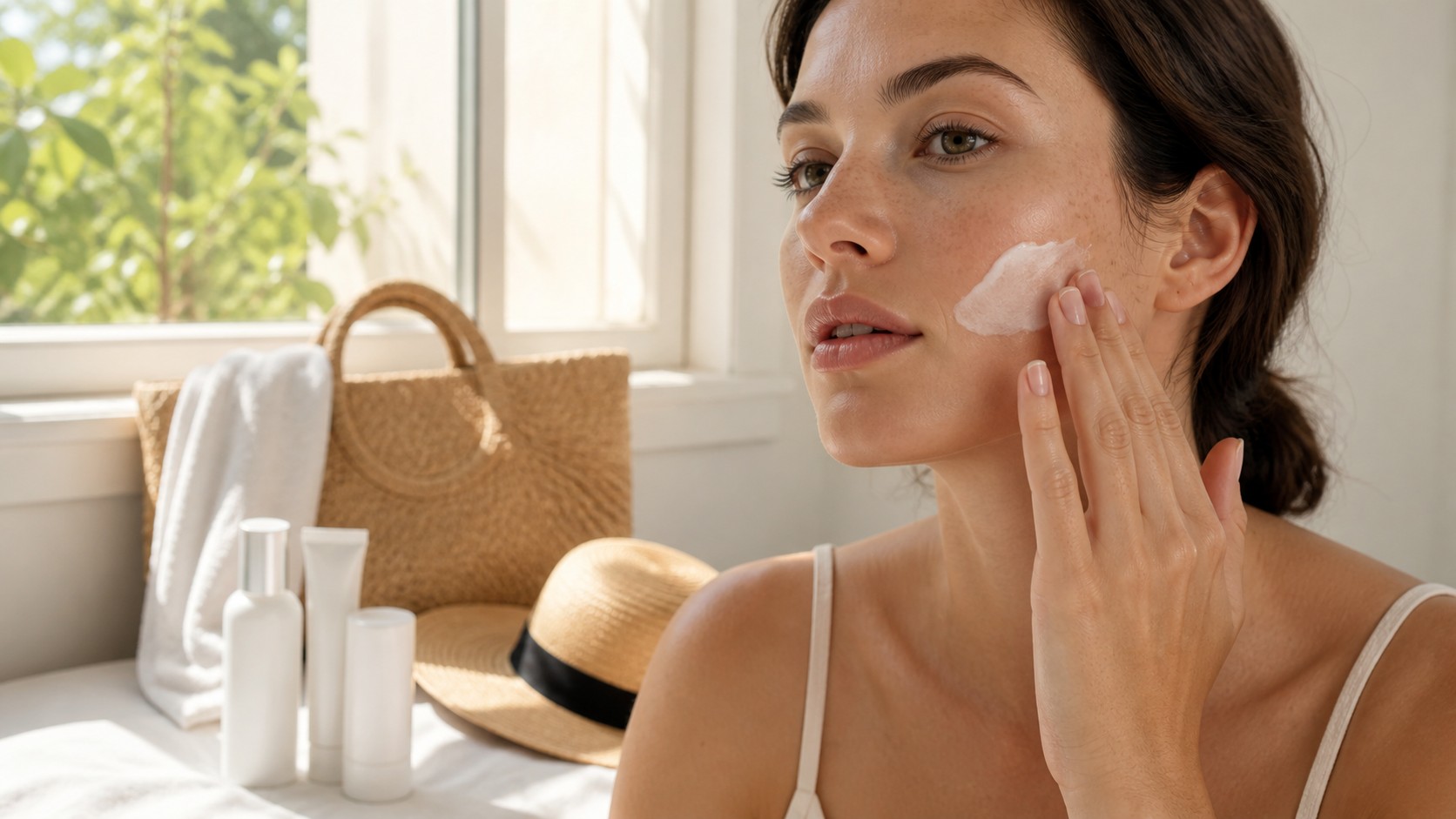
UV exposure can intensify redness, worsen discoloration, and make irritated skin slower to recover. A sensitive-skin sunscreen is not just anti-aging; it is part of the soothing plan. Choose a formula that does not sting, apply enough, and use hats or sunglasses when your face is easily triggered. Mineral or tinted mineral sunscreens often work well for redness-prone skin, but comfort should decide.
If every sunscreen burns, your barrier may need a few days of repair before testing again. Do not abandon protection completely. Instead, lean harder on shade and physical barriers while you search for a formula your skin accepts.
Be Careful With Natural Remedies
Many people reach for kitchen or garden fixes when skin is red. Some are harmless for some users, but others are risky. Lemon juice, baking soda, undiluted essential oils, toothpaste, harsh clay masks, and strong apple cider vinegar mixtures can make sensitive skin much worse. Natural does not mean barrier-friendly. The skin recognizes chemistry, not marketing categories. Aloe can feel soothing for some people, but even aloe products may contain fragrance, alcohol, or preservatives that bother reactive skin. If you try a botanical remedy, use a simple product from a reputable source and test cautiously. The goal is less inflammation, not a romantic ingredient story.
Redness That Keeps Returning Needs Pattern Tracking
If redness appears once after a long sunny day, the trigger may be obvious. If it returns every week, you need a record.
Track products, weather, workouts, foods that noticeably flush you, menstrual cycle changes, new medications, stress, and sleep. The point is not to become obsessive; it is to stop relying on memory, which gets messy when several factors overlap.
Patterns can reveal that redness is worse after exfoliation, hot yoga, wine, fragrance exposure, or a particular sunscreen. They can also reveal when the problem is bigger than routine irritation. Persistent central facial redness, visible vessels, bumps, burning, or eye irritation may suggest rosacea or another condition that deserves professional care.
Makeup Can Help If Removal Stays Gentle
Color-correcting primers, tinted moisturizers, and mineral foundations can reduce the emotional stress of redness. There is nothing wrong with coverage if it helps you feel like yourself. The caution is removal. Heavy long-wear products often require more cleansing effort, and that friction can restart the cycle. Choose makeup that removes easily with a gentle cleanser or mild cleansing balm.
Green correctors can soften redness visually, but they should be used lightly. Too much pigment can look gray or require more layers on top. Sensitive skin usually prefers thin, flexible coverage over a mask.
Food, Stress, and Weather Can Join the Routine
Skincare is not always the only driver of redness. Hot drinks, alcohol, spicy food, emotional stress, cold wind, dry indoor heat, and sudden temperature changes can all intensify flushing in some people. That does not mean you need to build a fearful life around every possible trigger. It means a redness plan should include the real world, not only the bathroom shelf. If your cheeks flare after every winter walk, a richer barrier cream and scarf strategy may help more than a new serum. Stress is especially sneaky because it can make skin feel hotter and more reactive, then lead to rushed cleansing or picking. A calmer evening routine, cooler room, and fewer steps can reduce both the physical and behavioral triggers around a flare.
How to Rebuild Actives After Redness Calms
Once redness settles, do not restart every active on the same night. Bring back one product at a time, use it less often than before, and keep moisturizer steady. Retinoids may need a buffer layer or fewer nights per week. Exfoliating acids may belong once weekly instead of every other day. Vitamin C may need a gentler derivative or a lower-strength formula if direct ascorbic acid keeps stinging.
The goal is not to avoid active ingredients forever. It is to earn them back in a way your skin can tolerate. A routine that progresses slowly will usually outperform a routine that repeatedly collapses into irritation.
Nighttime Is When Repair Gets Easier
Evening is the best time to create a low-pressure recovery window. Remove sunscreen and makeup gently, skip the mirror inspection that turns into picking, and apply a moisturizer that has already proven itself. If certain patches feel rough or exposed, add a thin protective layer over those spots rather than changing the entire routine. The skin does not need a new personality at night. It needs water, lipids, protection, and quiet. Pillowcases, laundry products, and room temperature can also influence redness. A soft clean pillowcase, fragrance-free detergent, and a cooler sleeping environment may reduce morning heat. These changes are not glamorous, but they remove small irritants that touch the skin for hours.
Product Testing Should Be Boring on Purpose
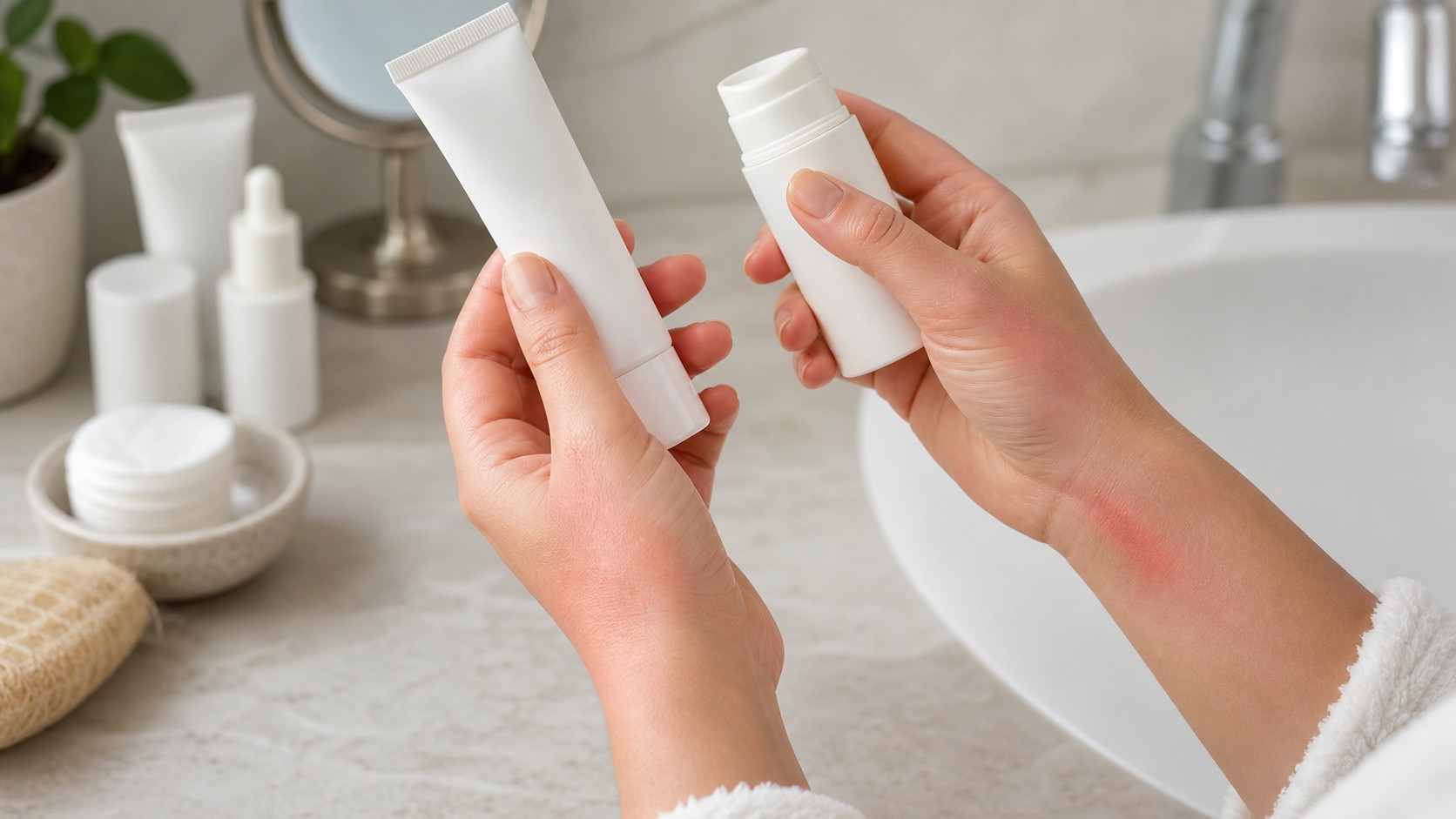
When redness is part of your skin pattern, product testing needs structure. Try new leave-on products on a small area first, keep the rest of the routine unchanged, and avoid testing during a heat wave, after a sunburn, or immediately after exfoliation. A product that might be fine on calm skin can feel terrible when the barrier is already strained. Context matters.
Do not let a successful first night make you overconfident. Some irritation builds over repeated use, especially with actives. Give each product enough time to show whether it fits your life, not just whether it survives one application.
Cleansing Should Leave No Drama Behind
A redness-prone routine often improves when cleansing becomes less ambitious.
You do not need foam, squeak, mint, grit, or a tight after-feel to be clean. Choose a mild cleanser that removes the day without making moisturizer sting afterward.
If sunscreen or makeup requires a first cleanse, use a gentle balm or oil that rinses clean, then follow with a soft second cleanse only if the skin still feels coated. Comfort after cleansing is a useful sign that the routine is moving in the right direction.
When Redness Is Not Just Sensitivity
Some redness needs more than soothing skincare. Seek professional advice if redness is painful, swelling, blistering, crusting, infected-looking, or linked with eye discomfort. Also consider a dermatologist if redness is persistent, flushing is frequent, or acne-like bumps appear in the same central facial areas. Rosacea, eczema, allergic contact dermatitis, seborrheic dermatitis, and irritation can overlap visually. Getting help is not an admission that your routine failed. It is a way to stop guessing. Prescription treatments, patch testing, or a diagnosis can make home care much more effective.
A Calmer Routine Is Built in Days, Not Minutes
The most reliable soothing remedies for sensitive skin redness are not dramatic transformations. They are steady decisions: cool the skin, simplify the routine, moisturize generously, avoid heat, protect from sun, and reintroduce products slowly. Redness usually calms when the skin stops being asked to defend itself from too many directions at once.
Gloss Street’s rule is simple: if your skin is red, do less before you do more. Relief often begins when you stop chasing the perfect calming product and create the conditions for the barrier to recover. Once the skin is quiet, you can decide what belongs in the routine with a clearer face and a clearer head.