A Calm Routine Beats A Complicated One
Building a skincare routine for sensitive skin is mostly an exercise in restraint. The goal is not to own fewer products for the sake of minimalism; it is to give each step a clear job and leave the skin enough space to stay comfortable. A strong sensitive-skin routine cleanses without stripping, moisturizes before tightness takes over, protects with sunscreen, and introduces treatment products slowly enough that the barrier can keep up. Once that rhythm is stable, skincare becomes easier to adjust and far less dramatic.
A: Cleanser, moisturizer, and sunscreen are enough to start a strong sensitive-skin routine.
A: Often yes, but start slowly, buffer with moisturizer, and avoid pairing it with exfoliants.
A: Not always. Dry sensitive skin may prefer a morning rinse and a proper night cleanse.
A: No. Toner is optional and should earn its place through comfort or hydration.
A: Yes, but use low strength, low frequency, and stop during barrier stress.
A: Try fragrance-free mineral, hybrid, or eye-friendly options and repair the barrier.
A: Give a new product several uses while the rest of the routine stays stable.
A: Hydrating masks can be nice, but harsh clay or peel-off masks often backfire.
A: Reset when basics burn, redness lingers, or texture suddenly worsens.
A: Keep the barrier calm enough that helpful products can work without constant irritation.
Start With The Fewest Reliable Steps
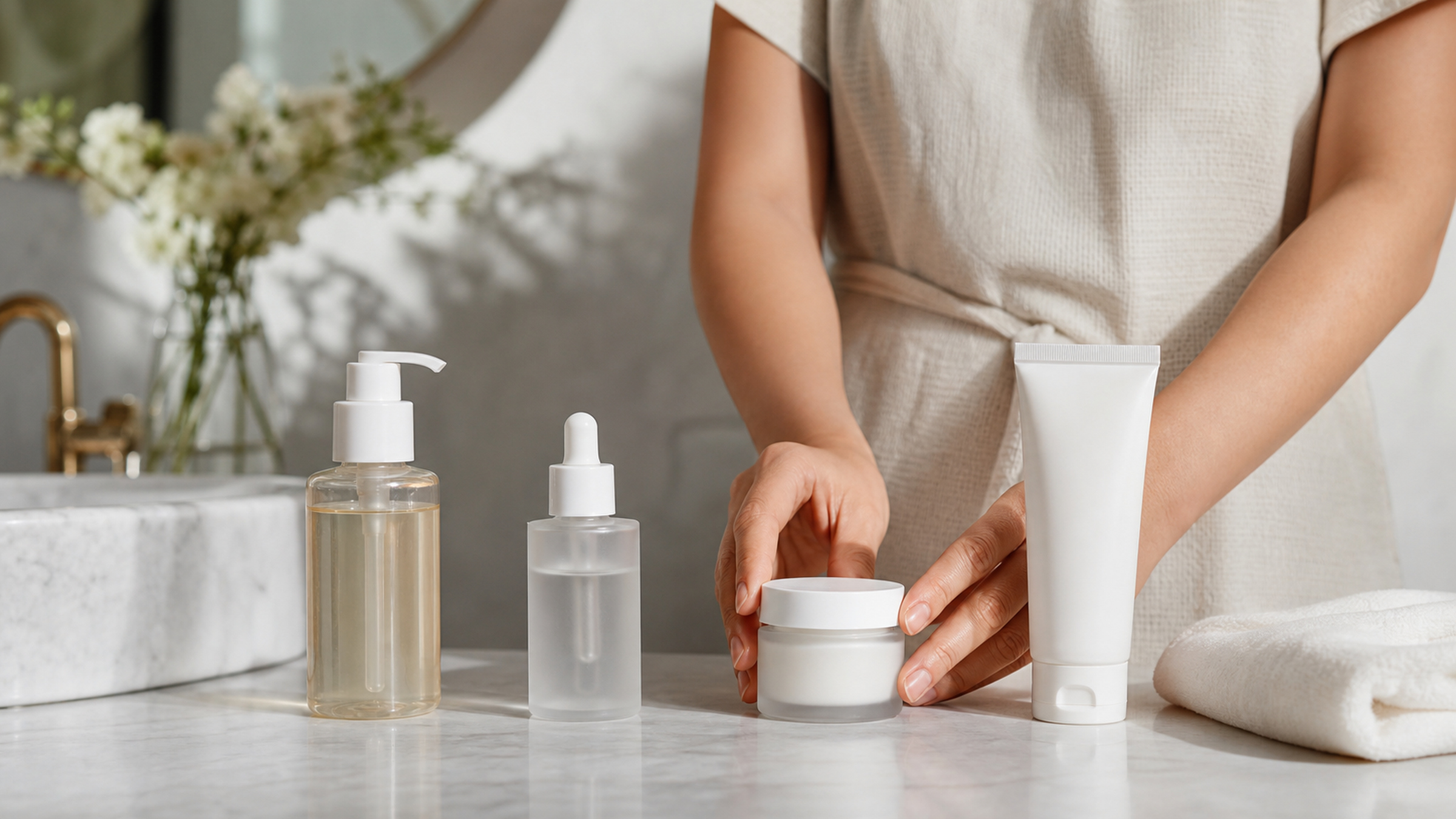
The best sensitive-skin routine begins with a short list: gentle cleanser, moisturizer, and sunscreen. That may sound basic, but these steps decide whether the skin feels safe enough to tolerate anything else. If cleansing leaves the face tight, moisturizer burns, or sunscreen causes daily irritation, adding serums will only make the routine harder to read.
A minimal routine also creates a baseline. When your skin feels calm for two to four weeks, you know those basics are likely compatible. That baseline becomes the reference point for every future treatment. If redness, burning, or roughness appears after a new product, the change is easier to spot because the foundation stayed steady.
This does not mean sensitive skin can never use actives. It means actives should be earned by stability. The routine should first prove that it can cleanse, hydrate, and protect without leaving the skin in a constant state of repair.
Morning Routine: Protect And Prevent
In the morning, many sensitive-skin readers do not need a full cleanse. A rinse with lukewarm water may be enough if the skin is dry or easily stripped. If you wake up oily, use a mild non-fragranced cleanser and avoid scrubbing tools. The goal is to refresh the skin, not make it squeaky.
Follow with moisturizer while the skin is slightly damp. This helps reduce tightness and supports the barrier before sunscreen. If your sunscreen is moisturizing enough, you may use a lighter moisturizer underneath or skip it in humid weather. What matters is how the skin feels several hours later, not how many steps look correct on paper.
Sunscreen Is Non-Negotiable But It Must Be Wearable
Sensitive skin still needs sunscreen. UV exposure can worsen redness, dark spots, dryness, and inflammation, and many treatment plans fail when sun protection is inconsistent. The challenge is finding a formula you can wear daily without stinging, pilling, or making the face feel trapped.
Mineral sunscreens with zinc oxide or titanium dioxide are often tolerated by reactive skin, though they can leave a cast on deeper skin tones. Modern chemical and hybrid formulas may also work well for some people. The best sunscreen is not the theoretically perfect one; it is the one you can apply generously and reapply when needed.
If sunscreen burns around the eyes, try a separate eye-friendly formula, a mineral stick around the orbital bone, or careful placement that avoids migration. If every sunscreen seems to irritate, a dermatologist can help identify whether the issue is fragrance, filters, preservatives, or a compromised barrier.
Do not use sunscreen discomfort as a reason to skip protection entirely. Use it as information. Sensitive-skin routines often improve through better matching, not through giving up essential steps.
Night Routine: Cleanse, Repair, And Keep It Quiet
Evening is the best time to remove sunscreen, makeup, sweat, and pollution gently. If you wear long-wear sunscreen or makeup, consider a fragrance-free cleansing balm or micellar water followed by a mild cleanser. If your skin is dry, a single gentle cleanse may be enough.
How To Add Treatment Products Without A Flare
Add one treatment at a time, and give it enough time to declare itself. A hydrating serum, azelaic acid, retinoid, vitamin C, or exfoliant may be useful, but sensitive skin rarely likes a crowded debut. Introduce the product two or three nights a week at first, then increase only if the skin remains comfortable.
Buffering can help. Apply moisturizer before a retinoid, use a pea-sized amount, and avoid pairing it with acids on the same night. For exfoliation, choose a low-strength product and use it less often than the package suggests. Sensitive skin usually benefits from consistency more than intensity.
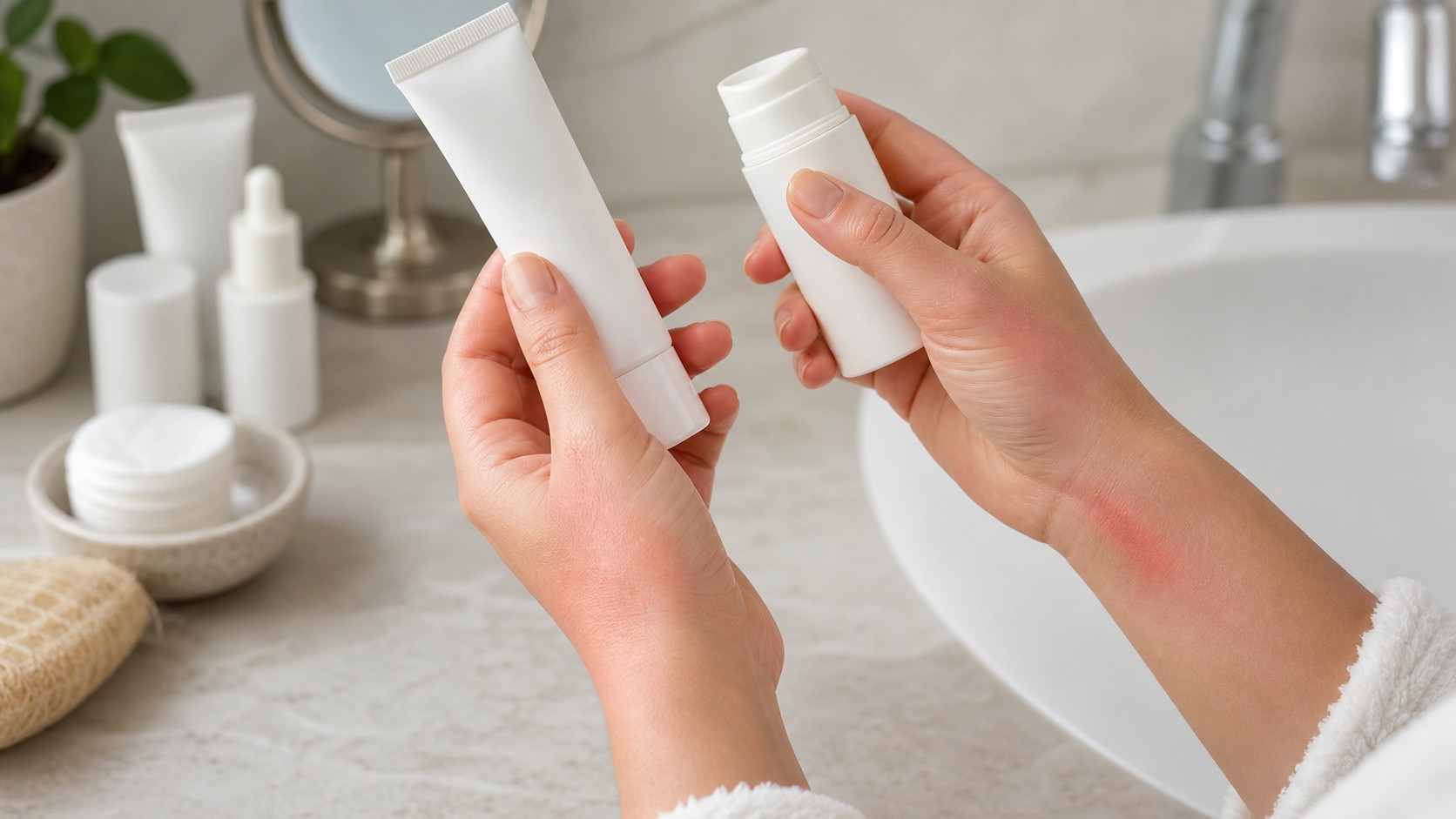
If a product causes sharp burning, swelling, rash, or persistent roughness, stop using it. If it causes mild dryness, reduce frequency and reinforce moisturizer. The difference between an adjustment and a warning sign is important, and your skin’s comfort should carry more weight than a trend schedule.
The Weekly Rhythm That Keeps Skin Stable
A weekly routine should include recovery nights. These are evenings when you use only cleanser and moisturizer, with no exfoliant, retinoid, peel, or strong brightening step. Recovery nights are not wasted nights. They are the reason sensitive skin can tolerate helpful treatments in the first place.
Spacing matters too. Avoid placing exfoliation, retinoid, and a new active on back-to-back nights until you know your skin can handle each one separately. If your face is already dry from weather or stress, postpone the active rather than forcing the schedule. A routine should respond to skin, not bully it into compliance.
Makeup, Masks, And Extra Steps
Sensitive skin can wear makeup, but removal has to be gentle and thorough. Heavy rubbing creates irritation even when the makeup itself is fine. Choose soft removal methods, avoid fragranced wipes, and moisturize after cleansing so the barrier does not end the day depleted.
Masks deserve caution. Clay masks can be too drying, peel-off masks can be aggressive, and fragranced sheet masks can create more drama than benefit. If you enjoy masks, choose a simple hydrating option and treat it as an occasional comfort step rather than a correction for every skin concern.
Toners, essences, and facial mists are optional. Some are lovely, but sensitive skin should not feel obligated to add watery layers simply because a routine template includes them. If a step does not clearly improve comfort, hydration, sunscreen wear, or treatment tolerance, it may not need a place on the shelf.
This is where a routine becomes personal. The right extras are the ones that make your skin more predictable. The wrong extras are the ones that make you keep troubleshooting.
When To Reset The Routine
Reset when the skin starts sending repeated distress signals: burning after basic products, flaking that will not settle, new widespread roughness, or redness that stays longer than usual. A reset is not a failure. It is a short return to tolerated basics so the skin can recover and you can identify what changed.
During a reset, keep cleanser, moisturizer, and sunscreen as simple as possible. Pause exfoliants, retinoids, fragranced products, and optional serums. Once the skin has been calm for several days, reintroduce one product at a time. The slower pace can feel boring, but it prevents the same flare from repeating.
A dermatologist should be part of the plan if resets become frequent. Sensitive skin sometimes needs prescription help, allergy testing, rosacea care, eczema management, or acne treatment that respects the barrier. Professional care can make the routine simpler, not more complicated.
How To Know The Routine Is Working
Progress for sensitive skin usually looks quieter than people expect. The face feels less tight after cleansing, moisturizer no longer stings, sunscreen is easier to wear, and redness settles faster after normal triggers. Texture may smooth gradually because the barrier is holding water better, not because the routine is forcing rapid turnover.
Give the basics enough time before judging them. A cleanser or moisturizer can feel comfortable quickly, but the full barrier benefit often becomes clearer over several weeks. If the routine is not irritating you and the skin is slowly becoming more predictable, that is a meaningful result even before every concern is solved.
Adjusting Without Losing The Plot
A routine should be flexible, but changes need a reason. In winter, you may need a richer moisturizer or a balm on dry patches. In humid weather, a lighter layer may keep sunscreen from feeling heavy. During travel, keeping cleanser, moisturizer, and sunscreen familiar can prevent the skin from reacting to every new variable at once.
Hormonal shifts, stress, illness, and new medications can also change tolerance. When that happens, resist the urge to rebuild the entire routine overnight. First ask what the skin is missing: more moisture, less exfoliation, a gentler cleanse, or a break from treatments. Small adjustments are easier to understand than a full product swap.
This is especially true for people who enjoy skincare. Sensitive skin does not mean you must give up beauty rituals, but it does mean every ritual should earn trust. A new serum, mask, or tool should be introduced like a guest, not allowed to rearrange the whole house on arrival.
The routine that lasts is the one you can repeat on a tired night and still trust in the morning. When the steps are simple, comfortable, and purposeful, sensitive skin care becomes less about avoiding everything and more about choosing carefully.
Product Order Without The Guesswork
A simple order works for most sensitive-skin routines: cleanse, apply any light hydrating or treatment product if you use one, moisturize, and finish with sunscreen in the morning. At night, cleanse, use the chosen treatment only on planned nights, and moisturize. The order matters less than tolerance, but this structure keeps products from competing for attention.
If a watery serum stings, do not force it just because it comes before moisturizer in a routine diagram. If a treatment is drying, use moisturizer as a buffer. If sunscreen pills, let moisturizer settle longer or use less layering underneath. Sensitive skin routines become easier when order supports comfort rather than becoming a rigid rulebook.
What To Add After The Basics Are Calm
Once the baseline is steady, choose one goal. If redness is the issue, azelaic acid or a calming serum may be worth discussing or testing carefully. If texture is the concern, a mild exfoliant used sparingly may help. If early signs of aging are the priority, a low-strength retinoid introduced slowly can be more realistic than a strong formula used inconsistently.
The key is to keep the basic routine unchanged while adding the new step. This gives the product a fair trial and protects the barrier from too much novelty. A treatment that works only when everything else is perfect may not be the right treatment for sensitive skin. The best additions fit into real life.
It is also fine to decide that the routine is complete without extra actives. Healthy skin does not require a complicated shelf. If your face is comfortable, protected from the sun, and easy to maintain, the routine is already doing meaningful work.
That is the quiet promise of sensitive-skin care. By building slowly, you gain freedom instead of restriction. You know which steps matter, which products are optional, and how to return to calm when your skin needs a reset without rebuilding everything from scratch. That confidence is the real payoff.