The Best Hair Removal Method Depends on What You Mean by Best
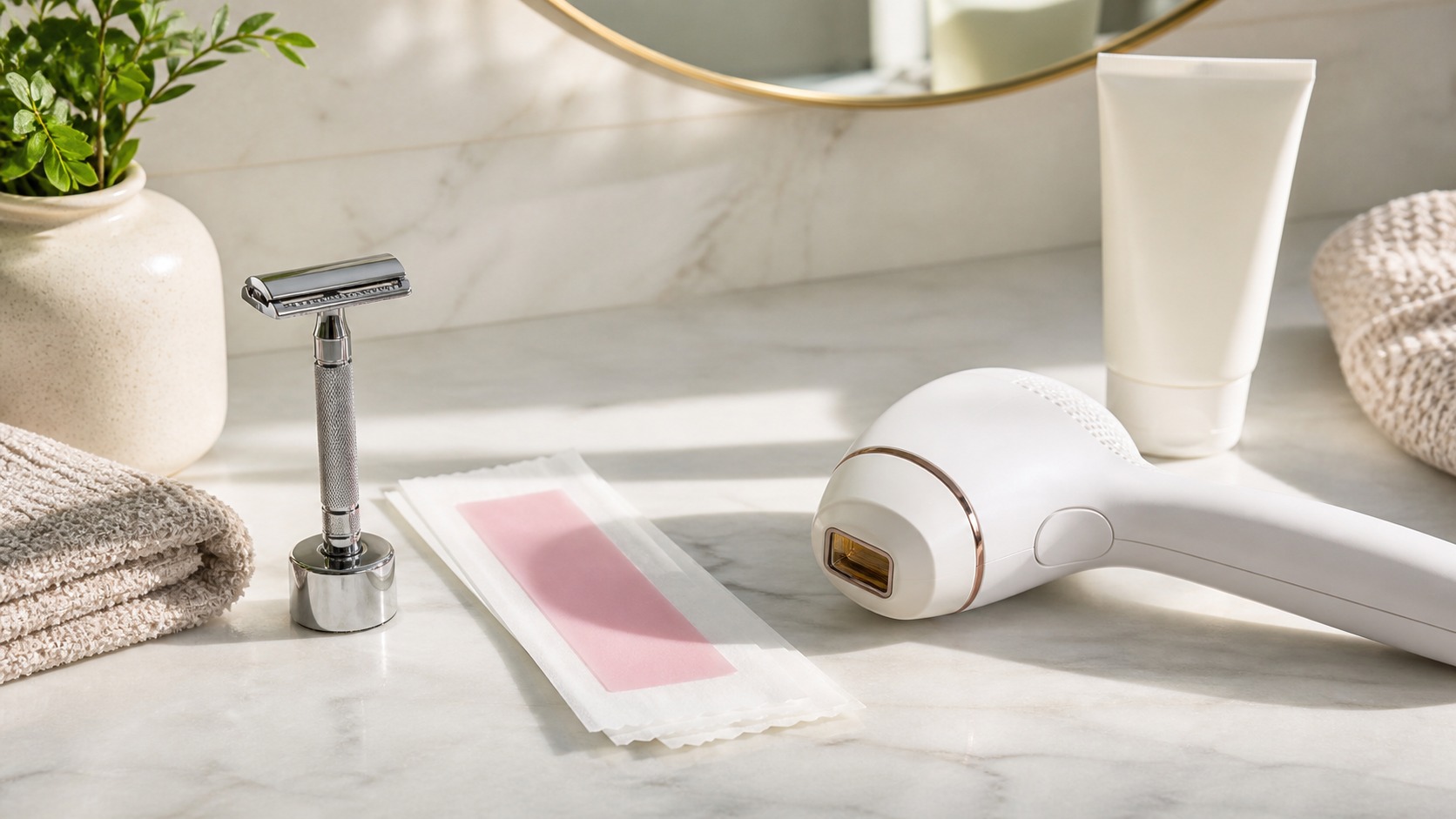
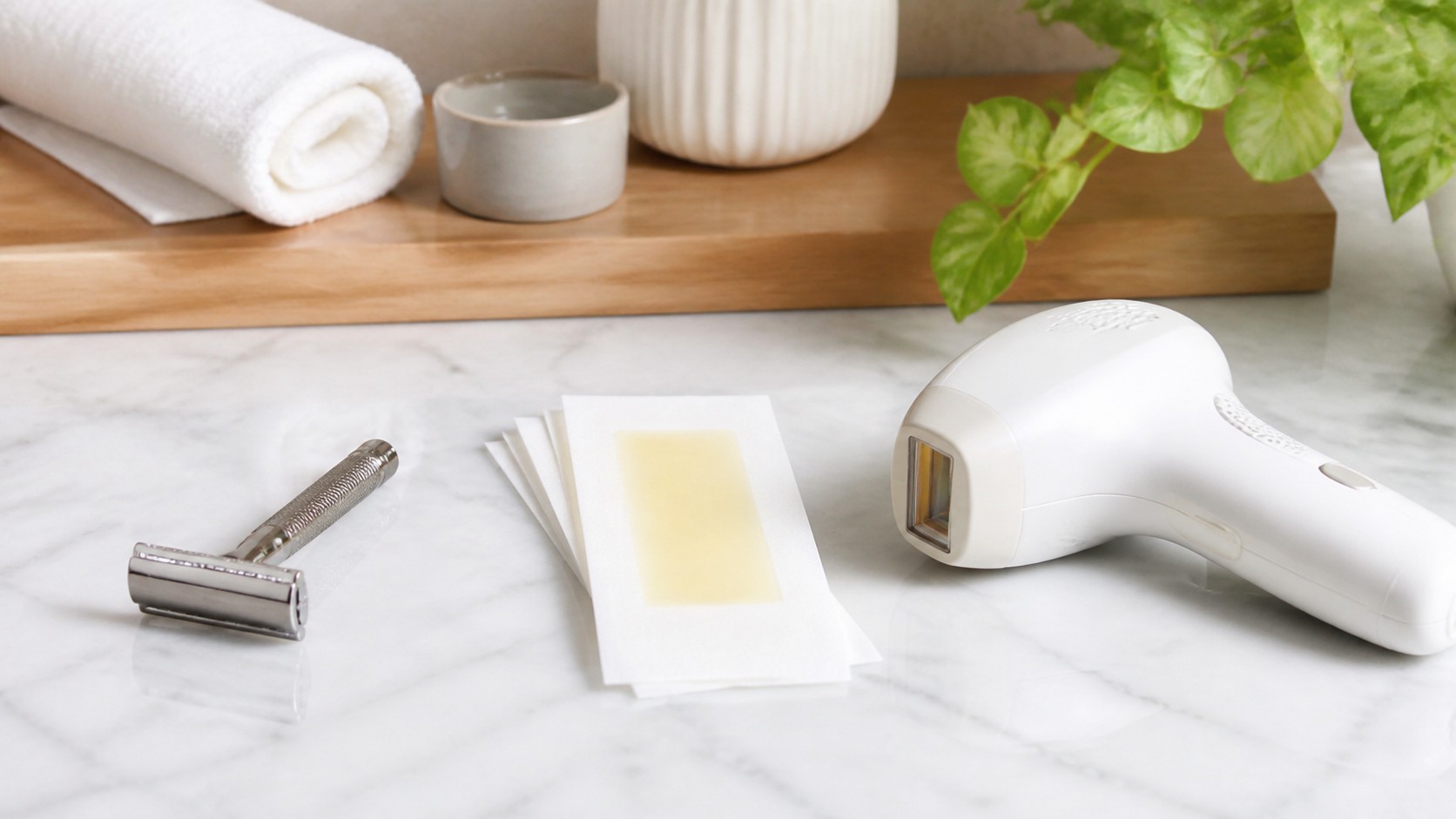
Shaving, waxing, and laser hair removal all work, but they do not solve the same problem in the same way. Shaving is fast, inexpensive, and easy to control at home, yet the smooth result is brief because the hair is cut at the surface. Waxing removes hair from the root, so the finish lasts longer, but it asks more from the skin and can be uncomfortable. Laser hair removal targets the follicle over repeated sessions, making it the most long-term option for many people, but it costs more upfront and is not equally effective for every hair and skin combination. The real question is not which method wins in a vacuum. It is which method fits your skin, pain tolerance, schedule, budget, hair type, and expectations.
Shaving Is the Practical Everyday Option
Shaving remains popular because it is immediate. You can decide in the shower, use a clean razor, and be done in minutes. It is also flexible. You can shave legs, underarms, bikini line edges, or facial areas without booking an appointment or growing hair out first. For people who dislike pain or need last-minute smoothness, shaving is hard to beat.
The downside is short-lived smoothness. Because shaving cuts hair at the surface, regrowth can feel blunt as it emerges. Shaving can also cause razor burn, nicks, bumps, and ingrown hairs, especially when the blade is dull, the skin is dry, or the hair is curly and prone to re-entering the skin. Good technique matters: soften the hair, use slip, shave with light pressure, rinse the blade often, and moisturize after.
Waxing Lasts Longer Because It Removes the Root
Waxing pulls hair from the follicle, which usually gives a smoother result for weeks rather than days. The regrowth may feel softer because the hair returns with a tapered end instead of a blunt shaved edge. For vacations, events, or people who do not want frequent maintenance, waxing can feel more efficient than shaving. It also has a higher skin tax. Wax adheres to hair and can tug at the surface, so it is not ideal for everyone. People using retinoids, strong exfoliants, certain acne medications, or very active skincare near the area need to be cautious because the skin may lift or tear. Waxing can also trigger ingrowns, bruising, irritation, or folliculitis when technique or aftercare is poor. The method works best when the hair is long enough to grip and the skin is not already inflamed.
Laser Is About Reduction, Not Instant Smoothness
Laser hair removal and intense pulsed light treatments aim to reduce growth by targeting pigment in the hair follicle. The process takes multiple sessions because hair grows in cycles, and only some follicles are in the right phase at any given appointment. Results can be impressive, especially for dark coarse hair on lighter skin, but they are gradual.
You still may need occasional maintenance. The biggest advantage is long-term convenience. If the treatment works well for you, there is less hair to manage and fewer cycles of shaving or waxing irritation.
The limitations are cost, time, suitability, and safety. Devices and professional lasers vary. Very light, gray, red, or white hair may respond poorly because there is less pigment to target. Deeper skin tones require the right technology and experienced providers to reduce burn or discoloration risk.
Pain Feels Different Across Methods
Shaving should not hurt when done correctly. If it burns, something is wrong: too much pressure, too little lubrication, a dull blade, or compromised skin. Waxing is more intense because hair is removed from the root in a quick pull. Some areas are tolerable, while others feel sharp no matter how calm you are. The discomfort is brief, but it is real.
Laser is often described as snapping heat or a quick rubber-band sensation. Professional cooling systems and newer devices can make sessions more comfortable, but sensation depends on the area, hair density, device, and personal threshold. Pain alone should not decide the method, but it should be respected. A method you dread may not be sustainable.
Cost Looks Different Over Time
Shaving is cheapest upfront. Razors, blades, shave cream, and moisturizer cost less than appointments, although replacement blades add up over years. Waxing costs more per session, especially for larger areas or professional services, but the longer smooth window may feel worth it. Laser is the most expensive at the beginning because it requires a course of treatments, but the long-term reduction can save time and money for people who otherwise wax frequently. The honest comparison is not one razor versus one laser session. It is the yearly cost of your actual behavior. If you shave every two days and constantly buy cartridges, the gap narrows. If you wax every month, laser may become attractive. If you only remove hair occasionally, shaving may remain the most sensible choice.
Skin Type Changes the Answer
Sensitive skin may prefer shaving with excellent technique over waxing that repeatedly inflames the surface. Ingrown-prone skin may hate shaving and do better with laser reduction. Very dry skin needs preparation before any method because hair removal on a flaky barrier invites irritation. Eczema, psoriasis, active infections, sunburn, and open cuts should change the plan entirely.
Skin tone and hair color matter most for laser. Professional evaluation is important, especially for deeper skin tones, because the wrong wavelength or settings can cause burns or pigmentation changes. At-home IPL devices also have strict skin tone and hair color charts for safety. Ignoring those charts is not worth the risk.
Timing and Lifestyle Matter More Than Hype
Shaving is the clear winner for spontaneity. Waxing requires hair growth long enough to grab, which means you cannot shave right before an appointment and expect perfect results. Laser requires a schedule, sun caution, and consistency.
You usually shave before sessions but avoid waxing because the follicle target needs to remain present. Think about your calendar. If you want smooth skin tomorrow, shave.
If you want several weeks of smoothness for a trip and can plan ahead, wax. If you want to reduce hair long term before next summer, begin laser months in advance. The best method is often the one that matches your timeline without creating stress.
Aftercare Is Not Optional
Every method needs aftercare. After shaving, moisturize and avoid tight friction if the area is prone to bumps. After waxing, keep the skin clean, avoid heavy workouts, hot tubs, and fragranced products for a short window, and exfoliate gently only once the skin has settled. After laser, follow provider instructions carefully, protect treated areas from sun, and avoid heat or irritation as directed. Many bad hair-removal experiences come from ignoring aftercare rather than from the method itself. Smooth skin is not just the removal step. It is the before, during, and after.
Ingrown Hairs Can Change the Whole Decision
For some people, the main issue is not smoothness but ingrowns. Curly or coarse hair can curve back into the skin after shaving, especially in areas with friction. Waxing can also trigger ingrowns because regrowth must find its way through the surface again. Gentle exfoliation after the skin has calmed, breathable clothing, and avoiding close repeated passes can help, but chronic ingrowns may need a different strategy.
Laser reduction is often appealing in this situation because less dense growth can mean fewer trapped hairs over time. It is not a guaranteed cure, and professional guidance matters when pigmentation or scarring is already present. Still, if bumps and dark marks are the real problem, long-term reduction may be more logical than endlessly perfecting a razor routine.
Convenience Has an Emotional Cost Too
Hair removal is personal, and maintenance fatigue is real. A method that looks affordable on paper can feel expensive when it steals time every morning. A method that gives beautiful results can feel wrong if you dread the appointment.
A high-tech option can feel empowering for one person and too fussy for another. The best choice should reduce stress, not simply remove hair. It is also fine to use different methods in different seasons.
Shaving in winter, waxing before a trip, and planning laser for a stubborn area is not inconsistency. It is customization. Your routine can be practical without being loyal to one method forever.
Hair Type Changes the Finish
Fine sparse hair may be easy to shave without much irritation, while coarse dense hair can feel prickly quickly and require more frequent maintenance. Curly hair is more likely to become ingrown after surface cutting because it can curve back toward the skin. Waxing may give smoother results for coarse hair, but the pull can also be more uncomfortable. Laser often performs best when hair is dark and coarse enough to provide a clear target. This is why two people can use the same method and report completely different outcomes. One gets smooth legs for days after shaving. Another gets bumps by morning. Neither is wrong; their hair and skin are giving different answers.
Plan Around Events Instead of Reacting Late
Hair removal right before an event can backfire. Shaving the morning of may be fine for someone with calm skin, but risky for anyone prone to razor burn. Waxing should usually happen with enough time for redness to fade, not ten minutes before dressing. Laser is not an event-week solution at all; it is a months-ahead reduction plan. Match the method to the calendar so the skin has time to look good after the work is done.
If you are trying a method for the first time, do not debut it before a vacation, wedding, photoshoot, or beach day. Test when the stakes are low. Skin appreciates rehearsal.
Clean Tools Protect the Result
Technique gets attention, but hygiene matters just as much. Razors should be rinsed, dried, and replaced before they drag.
Waxing tools should be clean, and double-dipping is a professional red flag. Laser devices need treatment windows cleaned according to the manual so residue does not interfere with contact. Freshly treated follicles are easier to irritate, so the tools that touch them should be as clean and simple as possible.
Switching methods also deserves a buffer. Do not wax an area one week and begin laser the next without checking instructions, and do not shave over skin that is still inflamed from a wax. Let the skin return to neutral before asking it to tolerate a new kind of removal.
So Which One Works Best?
Shaving works best for speed, low cost, and control. Waxing works best for longer smoothness without committing to devices or treatment plans. Laser works best for people who want long-term reduction and are good candidates for the technology. None of them is morally better, more feminine, cleaner, or more advanced. They are tools. Gloss Street’s verdict is practical: choose shaving when convenience matters, waxing when short-term longevity matters, and laser when repeated maintenance has become exhausting. If your skin keeps reacting, let that feedback outrank trends. The best method is the one that leaves you smooth enough, comfortable enough, and confident enough to keep living your life instead of managing irritation.