Homemade Remedies Should Make Dry, Dull Skin Feel Safer, Not Scrubbed Raw
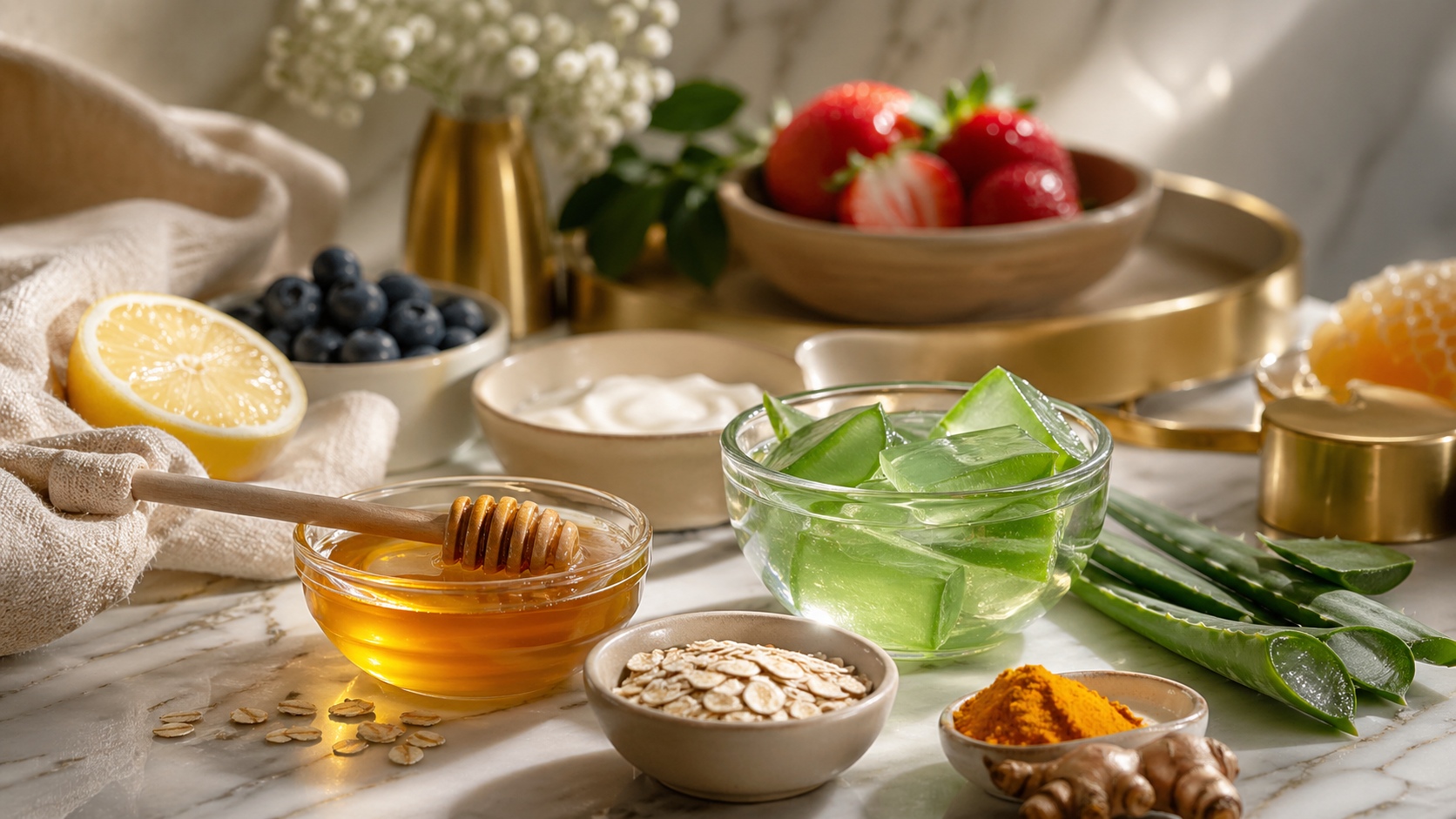
Dry and dull skin often needs comfort before drama. The most useful homemade remedies are not harsh scrubs, lemon juice tricks, or complicated kitchen experiments. They are gentle ways to soften, hydrate, cool, and support the skin barrier while you keep the rest of the routine simple. Oats, honey, aloe, cucumber, plain yogurt, and a good moisturizer can all have a place when they are used carefully. The goal is not to replace skincare science with pantry optimism. The goal is to choose low-risk at-home steps that help tired skin feel smoother, calmer, and more flexible.
A: They can temporarily soften and refresh the surface, but consistent moisturizer and sunscreen matter more.
A: It can feel comforting for some people when used briefly and rinsed gently.
A: No. Rough scrubbing can worsen dryness and make dullness look more irritated.
A: No. It can bother reactive or damaged skin, so patch testing and short contact time matter.
A: No. Aloe can feel refreshing, but dry skin usually needs a moisturizer afterward.
A: Occasional use is safer than daily experimenting, especially for dry or sensitive skin.
A: Avoid lemon juice, baking soda, toothpaste, rough scrubs, and undiluted essential oils.
A: The cleanser may be too stripping, or the skin may need moisturizer applied sooner.
A: It is better to keep mixtures simple so reactions are easier to identify.
A: Apply a familiar moisturizer while the skin is slightly damp.
Dry and Dull Skin Usually Needs Moisture and Patience
Dryness and dullness often travel together because dehydrated or rough skin reflects light unevenly. The surface can look flat, tight, flaky, or tired even when the deeper issue is simple: the barrier needs support. A homemade remedy can help temporarily, but it should not attack the skin in the name of glow.
The first rule is to avoid anything that burns, stings sharply, or leaves the face feeling squeaky. Dry skin is already asking for gentleness. Dull skin may benefit from mild smoothing over time, but aggressive exfoliation can make the skin look worse by creating irritation and more texture.
Think of homemade care as a comfort layer. It can soften flakes, add slip, calm a tight feeling, or make moisturizer work better. It should not be treated like a medical treatment or a replacement for a well-formulated routine.
If the skin is cracked, bleeding, severely itchy, or inflamed, skip experiments and keep the routine bland. Persistent irritation deserves professional guidance.
Dullness can also come from lifestyle and environment. Cold air, indoor heating, over-cleansing, long hot showers, travel, poor sleep, and skipped sunscreen can all make skin look flat. A homemade mask may help the surface feel softer, but it cannot outwork a routine that keeps stripping moisture away every day.
Before adding remedies, check the basics. Is your cleanser leaving the skin tight? Are you moisturizing soon enough after washing? Are you using sunscreen consistently? Are active ingredients making the face flaky? Those answers often matter more than the next bowl of ingredients.
Oats Are a Gentle Starting Point
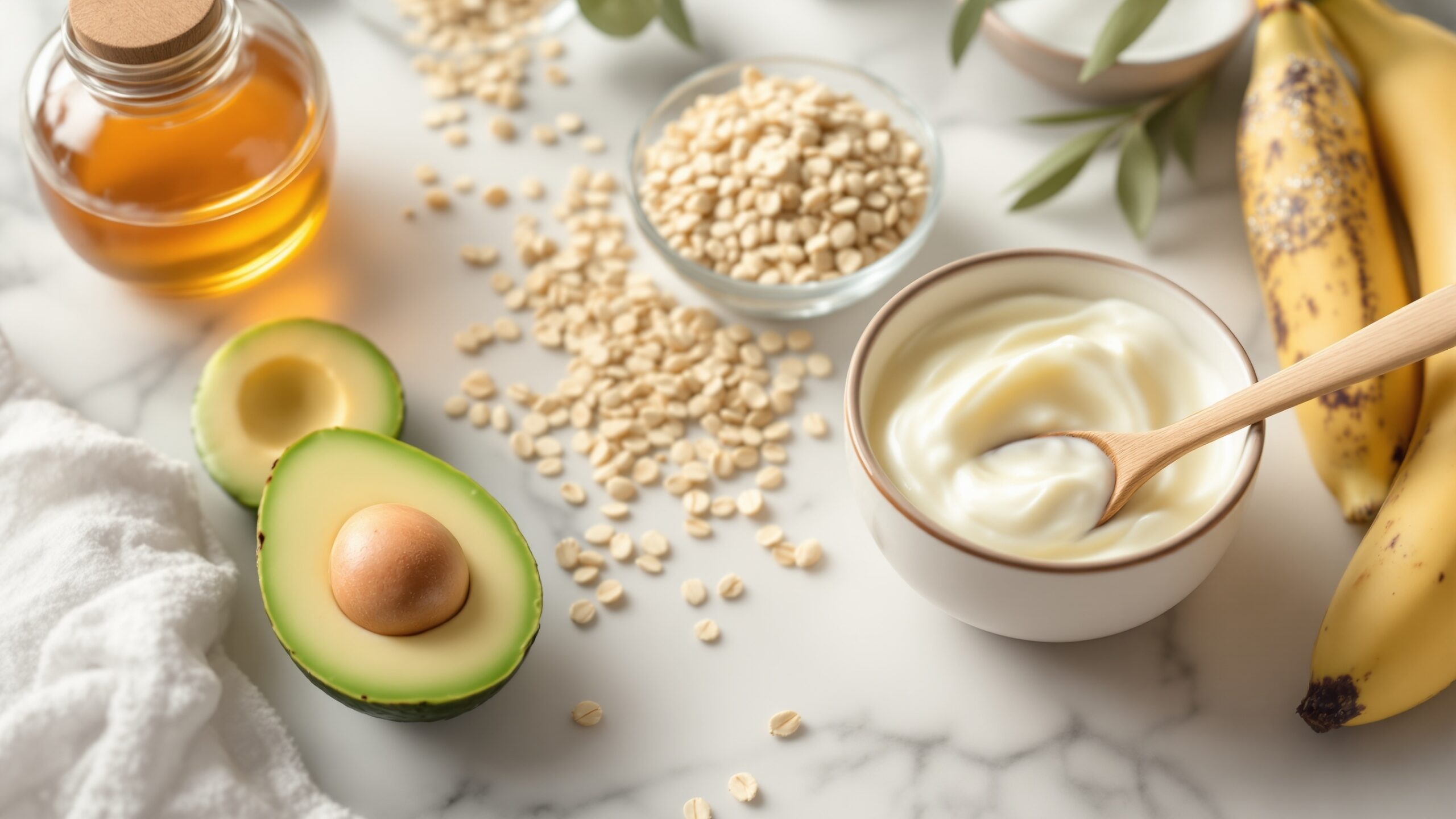
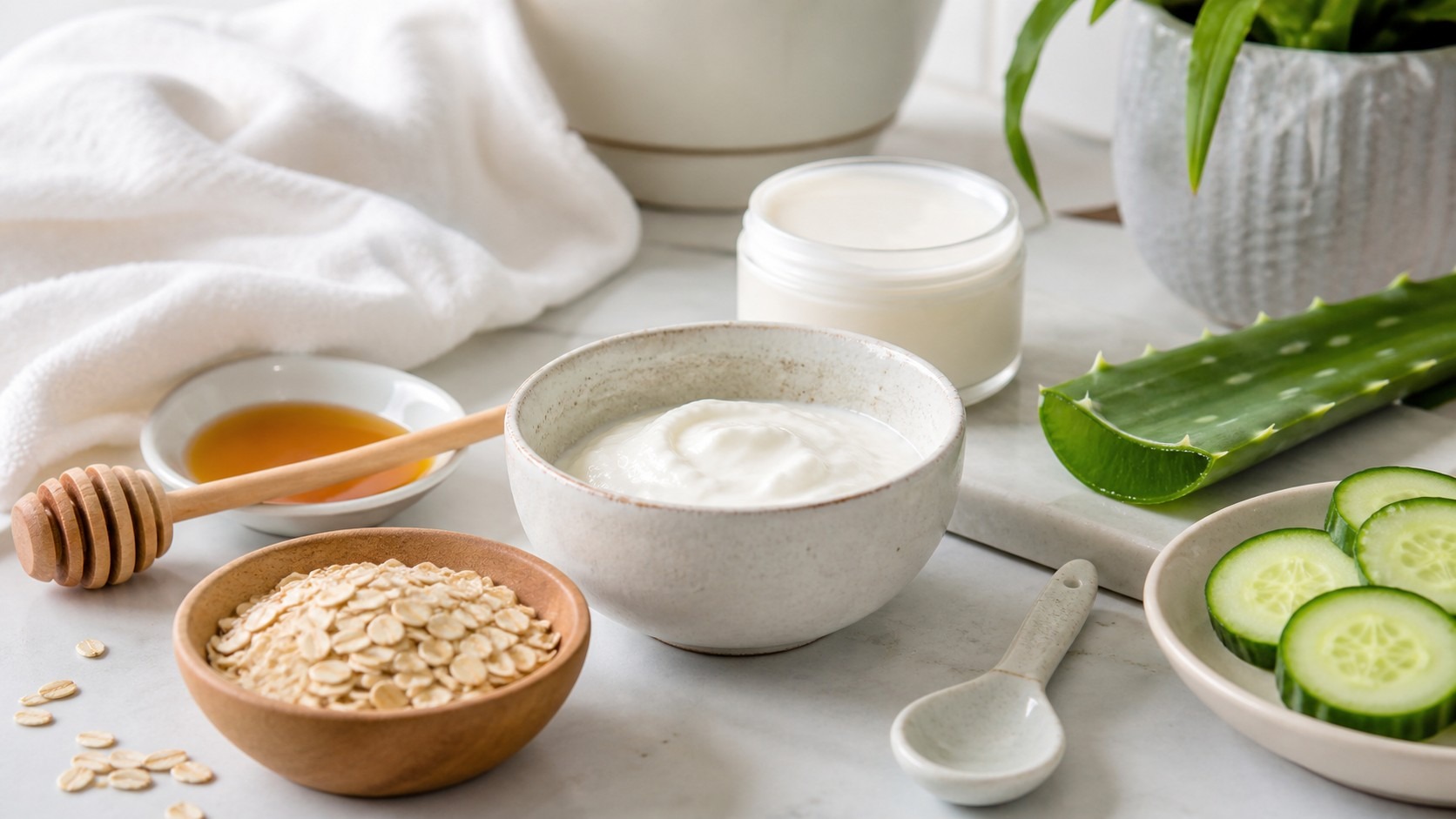
Oats are one of the better at-home ingredients for dry-feeling skin because they are associated with comfort and softness. Finely ground plain oats can be mixed with water, aloe, or plain yogurt to create a gentle mask. The texture should be soft, not scratchy. If the mixture feels gritty, do not rub it around like a scrub.
A simple oat mask can sit on the skin briefly, then be rinsed away with lukewarm water. The benefit is the soothing, cushiony feel, not a dramatic peel. Follow with moisturizer while the skin is still slightly damp so the routine ends with barrier support.
Avoid flavored oatmeal, fragranced packets, sugar mixes, or anything with spices. The kitchen version has to be plain enough for facial skin.
Oats can also be used as a bath or body remedy when dullness and dryness affect more than the face. A soft oat soak or oat-based body paste can feel comforting on rough elbows, knees, or shins, as long as the texture stays gentle and the rinse is followed by body cream.
If you want a smoother feel, let the oats soften fully before application. Hydrated oats glide better and are less likely to drag across flakes. The goal is a cushiony paste, not breakfast turned into sandpaper.
Honey Can Add Comfort, but Use It Neatly
Honey is often used in homemade skincare because it feels cushioning and can leave the skin feeling softer. For dry and dull skin, a thin layer of plain honey or a honey-and-oat mixture may be enough. The trick is to keep the application tidy and brief. More stickiness does not mean more benefit.
Use clean hands or a clean spoon, avoid the eye area, and rinse carefully. Honey can be messy, and tugging at the skin while removing it defeats the purpose. A warm damp cloth can help, but it should be soft and used gently.
Anyone with known sensitivities should patch test first. Natural ingredients can still cause reactions, especially when left on longer than needed.
Honey should also not be used over open cracks, active infections, or irritated skin that needs medical care. A pantry ingredient is not a wound treatment.
Honey also works better when the face is already clean. Applying it over sunscreen, makeup, or heavy residue can create a sticky mess and make rinsing harder than it needs to be.
If honey feels too sticky, dilute it with a little water or blend it into oats rather than applying a thick layer. The easier it is to rinse, the less friction your dry skin has to tolerate.
Aloe and Cucumber Are Cooling, Not Miracle Workers
Aloe gel and cucumber are popular for a reason: they feel cool and refreshing. That can be helpful when dull skin also feels tight, warm, or tired. Use plain aloe gel from a trusted source or fresh aloe prepared carefully, and avoid fragranced green gels that are more dye-and-scent than soothing care.
Cucumber slices or a simple cucumber-water compress can make the skin feel temporarily refreshed. The effect is gentle and short-term, which is fine. Not every remedy has to transform the face to be useful.
The mistake is expecting cooling ingredients to replace moisturizer. Aloe and cucumber can add a light soothing step, but dry skin still needs an occlusive or emollient product afterward to reduce water loss.
If aloe stings, rinse it off. Some people react to fresh aloe or to added ingredients in commercial gels. The skin’s response matters more than the ingredient’s reputation.
For best results, keep cooling remedies brief and follow with a familiar moisturizer. That order turns refreshment into comfort.
Cucumber can also be used over closed eyes for a refreshed feeling, but avoid getting homemade mixtures into the eyes. The eye area is delicate, and dry skin routines should stay gentle there too.
If you keep aloe or cucumber cold, make sure the temperature feels refreshing rather than shocking. Skin that is already dry or reactive usually prefers moderate comfort over extremes.
Plain Yogurt Can Smooth, but It Needs Caution
Plain yogurt is sometimes used for dull skin because it can feel softening and mildly smoothing. It should be unsweetened, unflavored, and used only if the skin is intact. Because yogurt can have a mild exfoliating effect, it is not ideal for skin that is stinging, peeling from actives, sunburned, or highly reactive.
Keep yogurt masks short. A few minutes is enough for a first test. Rinse with lukewarm water, avoid scrubbing, and moisturize afterward. If the skin feels hot, itchy, or tight, skip it next time.
Do not mix yogurt with lemon juice or harsh exfoliants. Dry and dull skin does not need a kitchen acid cocktail. It needs measured care.
The Best Remedy Is Often a Better Moisturizer Step
Homemade remedies work best when paired with a reliable moisturizer. After rinsing a mask or compress, apply moisturizer while the skin is slightly damp. This helps seal in the softening effect and prevents the remedy from becoming a temporary feel-good step that disappears in an hour.
Look for moisturizers with humectants, emollients, and barrier-supportive ingredients. You do not need a complicated routine, but dry skin usually needs more than water-based freshness. A cream, balm, or lotion can hold the improvement in place.
At night, a richer layer may help if the skin feels tight by morning. During the day, choose a texture that works under sunscreen. Dull skin often looks better when it is consistently moisturized, not when it is repeatedly shocked into glow.
The homemade part should be the supporting act. The moisturizer is the part that makes the skin feel stable afterward.
Layering can make a familiar moisturizer work harder. A light humectant serum or damp skin can sit under cream, while a balm can be reserved for very dry patches. Homemade remedies may soften the surface first, but the moisturizer strategy decides whether the softness lasts.
For very dry areas, consider the timing. Applying cream immediately after bathing often helps more than adding another mask later. The skin is already hydrated from water exposure, and the moisturizer can trap some of that comfort before it evaporates.
What to Avoid When Skin Looks Dull
Avoid lemon juice, baking soda, toothpaste, rough sugar scrubs, salt scrubs, cinnamon, undiluted essential oils, and aggressive brushing. These tricks can irritate the barrier and make dry skin look angrier. A temporary flush is not the same as radiance.
Also avoid doing too many remedies at once. A honey mask, yogurt mask, scrub, steaming session, and new moisturizer in one evening creates confusion. If the skin reacts, you will not know what caused it.
Keep the routine boring while testing. One remedy, short contact time, gentle rinse, moisturizer, and sunscreen the next day is enough.
Sun protection matters because dullness and uneven tone can worsen with UV exposure. Homemade glow care should not distract from daily SPF.
If dullness is persistent, sudden, or paired with scaling, pain, or severe itching, it may not be a simple cosmetic issue. Treat the skin kindly and ask for help when it keeps complaining.
Physical pressure is another hidden problem. Rubbing with towels, cleansing brushes, washcloths, and gritty mixtures can make flakes lift unevenly and create more redness. Dry skin usually needs a softer hand than people expect.
Be careful with repeated mask nights too. Dry skin may tolerate one gentle remedy, then object when the same experiment is repeated too often. Recovery time is part of the treatment.
Gloss Street’s Take
Easy homemade remedies for dry and dull skin should feel like a soft reset, not a punishment. Oats, honey, aloe, cucumber, and plain yogurt can be useful when they are plain, brief, and followed by moisturizer.
The best glow comes from barrier comfort. If a remedy leaves your skin calmer, smoother, and easier to moisturize, it earned its place. If it burns in the name of brightness, it does not belong on dry skin.
The best homemade routine should leave your skin boringly comfortable. No dramatic burn, no aggressive peel, no tight shiny feeling after rinsing. Just a softer surface, a calmer barrier, and a moisturizer doing its job.
That may sound less exciting than a viral glow hack, but dry and dull skin usually improves through kindness repeated often. Homemade care should support that kindness, not interrupt it.
The simplest version is often enough: soften with one gentle ingredient, rinse without friction, moisturize promptly, and stop there. Dry skin does not need a full kitchen routine to look more alive.
When in doubt, choose the remedy that is easiest to remove. Dry, dull skin should not have to survive a complicated cleanup before it gets the benefit.
The low-drama approach also makes it easier to notice what truly helps. When the routine is simple, softer skin is easier to connect to the remedy rather than a dozen other changes.
Comfort is the standard. A remedy that makes dry skin easier to live with is doing more than one that merely looks dramatic online.