At-Home Skincare Remedies That Actually Work
Skincare has never been more accessible than it is today. While store shelves are filled with advanced serums, masks, and creams promising dramatic transformations, many effective skincare solutions are already sitting in your kitchen, refrigerator, or bathroom cabinet. At-home skincare remedies have been used for centuries across cultures—from ancient Egyptian milk baths to traditional honey and turmeric masks in South Asia. These natural approaches often rely on ingredients known for their soothing, nourishing, and rejuvenating properties. But not every DIY beauty trick lives up to the hype. Social media trends sometimes promote remedies that can irritate the skin or simply fail to deliver results. The key to successful at-home skincare lies in understanding which ingredients truly benefit the skin and how to use them properly. When used correctly, many simple remedies can help hydrate, brighten, calm irritation, and support overall skin health. This guide explores at-home skincare remedies that actually work. Each solution is grounded in dermatological principles and traditional beauty wisdom, offering practical, affordable ways to improve your skin without relying solely on expensive treatments.
A: Yes. Radiance comes from hydration, skincare, and light-reflecting products.
A: No. Healthy skin glow comes from brightness and hydration—not sun damage.
A: Vitamin C is one of the most powerful radiance-enhancing ingredients.
A: Yes. Removing dead cells reveals smoother, brighter skin underneath.
A: Absolutely. Oils help skin reflect light and maintain moisture.
A: It helps, but healthy skincare underneath makes the biggest difference.
A: No. Glow means hydrated and radiant, not greasy.
A: Yes. Both play major roles in overall skin tone and vitality.
A: Most people benefit from exfoliating once or twice per week.
A: Dehydration, dead skin buildup, stress, and environmental exposure.
Why Natural At-Home Remedies Still Matter
Modern skincare science has made remarkable progress, but natural remedies continue to hold a meaningful place in skincare routines. Many natural ingredients contain beneficial compounds such as antioxidants, vitamins, enzymes, and fatty acids that support skin health.
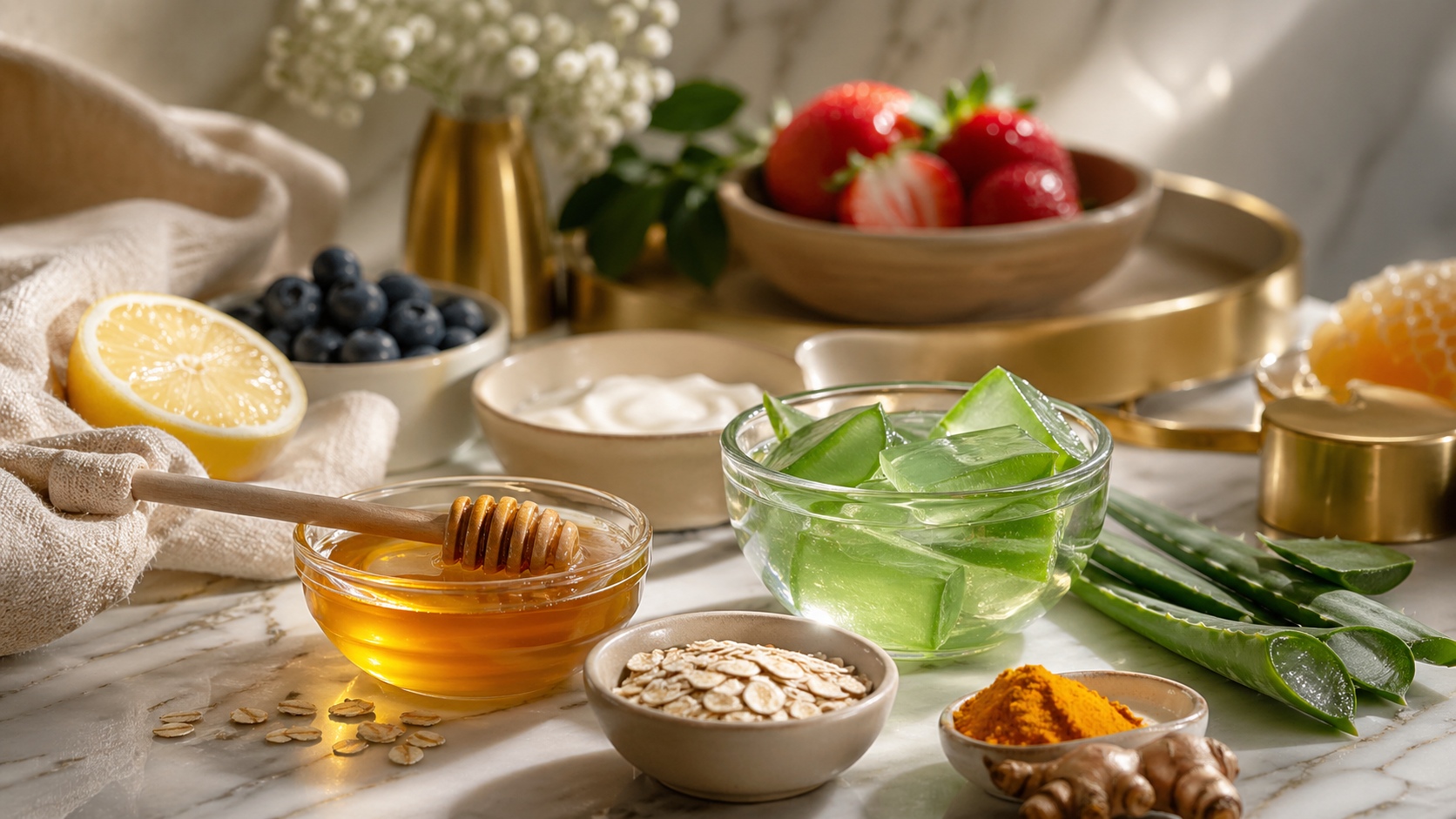
For example, honey contains natural humectants that attract moisture to the skin, while oats contain anti-inflammatory compounds called avenanthramides that calm irritation. Aloe vera provides soothing hydration and promotes skin repair, and yogurt contains lactic acid that gently exfoliates and brightens dull complexions.
Another advantage of at-home remedies is their simplicity. When you use natural ingredients, you often avoid unnecessary additives such as synthetic fragrances, harsh preservatives, and alcohol-based formulas that can disrupt the skin barrier.
However, effectiveness depends on selecting the right ingredients for your skin type and using them safely. Not every DIY mixture is beneficial, and some natural ingredients can be irritating if misused. The goal is not to replace professional skincare entirely, but to supplement it with remedies that enhance hydration, nourishment, and balance.
Honey Masks for Deep Hydration and Healing
Honey is one of the most powerful natural skincare ingredients available. For thousands of years, it has been used as a healing agent due to its antimicrobial and moisturizing properties. Raw honey, especially varieties like Manuka honey, contains enzymes, antioxidants, and antibacterial compounds that help support skin health.
When applied to the skin, honey acts as a natural humectant, drawing moisture into the skin and helping maintain hydration. This makes it particularly useful for dry or dehydrated skin. Honey also creates a protective barrier that helps lock in moisture and prevent water loss.
A simple honey mask can be made by applying a thin layer of raw honey to clean skin and allowing it to sit for about fifteen to twenty minutes. During this time, the honey works to hydrate and calm the skin. Rinsing it away with warm water leaves the complexion soft and refreshed.
Honey is also beneficial for acne-prone skin because of its antibacterial properties. It helps inhibit the growth of certain bacteria associated with breakouts while soothing inflammation and redness. While it may not replace acne treatments entirely, it can be a gentle complementary remedy.
Oatmeal Treatments for Sensitive and Irritated Skin
Colloidal oatmeal has long been recognized by dermatologists as an effective treatment for irritated skin. It is commonly found in eczema products, soothing lotions, and calming masks.
Oatmeal contains compounds known as beta-glucans and avenanthramides, which help reduce inflammation and restore the skin barrier. These compounds make oatmeal especially helpful for people with sensitive skin, redness, or dryness caused by environmental stress.
An oatmeal mask can be created by grinding plain oats into a fine powder and mixing them with warm water to form a paste. This mixture can be applied to the face and left on for ten to fifteen minutes. As it dries, it helps calm irritation while gently cleansing the skin.
Oatmeal treatments are particularly beneficial during colder months when dry air and indoor heating can strip moisture from the skin. They can also help soothe sunburned or over-exfoliated skin, providing a gentle reset for stressed complexions.
Yogurt and Lactic Acid for Gentle Exfoliation
Exfoliation is an essential part of maintaining smooth, radiant skin. While chemical exfoliants such as glycolic acid and salicylic acid are common in modern skincare products, yogurt offers a natural alternative through its lactic acid content.
Lactic acid is a mild alpha hydroxy acid that helps dissolve dead skin cells on the surface of the skin. This process encourages cell turnover, revealing fresher, brighter skin underneath.
Plain yogurt, especially full-fat varieties, can be applied directly to the skin as a simple mask. After about ten minutes, it can be rinsed away with warm water. The lactic acid gently exfoliates while the natural fats help moisturize the skin.
Regular use can help improve skin texture, reduce dullness, and support a more even complexion. However, individuals with extremely sensitive skin should patch-test first, as even gentle acids can cause mild irritation in some cases.
Aloe Vera for Soothing and Repair
Aloe vera has earned a reputation as one of the most soothing natural skincare remedies. The clear gel inside the aloe plant contains vitamins, minerals, enzymes, and amino acids that support skin repair and hydration.
One of aloe vera’s most well-known benefits is its ability to calm sunburned skin. The cooling gel reduces inflammation and provides immediate relief from heat and redness. However, aloe vera is also beneficial for everyday skincare.
When applied to the face, aloe gel provides lightweight hydration without clogging pores. This makes it particularly useful for oily or acne-prone skin types that need moisture without heavy creams.
Aloe vera also supports wound healing and can help reduce irritation from shaving, minor cuts, or skin treatments. Many people keep a fresh aloe leaf at home, slicing it open to extract the gel directly from the plant for use as a natural skincare treatment.
Green Tea for Antioxidant Protection
Green tea is widely known for its health benefits when consumed, but it also offers powerful advantages when applied to the skin. Rich in antioxidants called polyphenols, green tea helps protect the skin from environmental damage caused by pollution and ultraviolet exposure.
These antioxidants help neutralize free radicals, which contribute to premature aging and skin damage. Green tea also contains anti-inflammatory compounds that can reduce redness and irritation.
A simple green tea toner can be made by brewing a strong cup of green tea and allowing it to cool completely. Once cooled, it can be applied to the skin using a cotton pad or transferred into a spray bottle for a refreshing facial mist.
Regular use may help improve skin tone, calm inflammation, and support a healthier complexion over time.
Avocado for Deep Nourishment
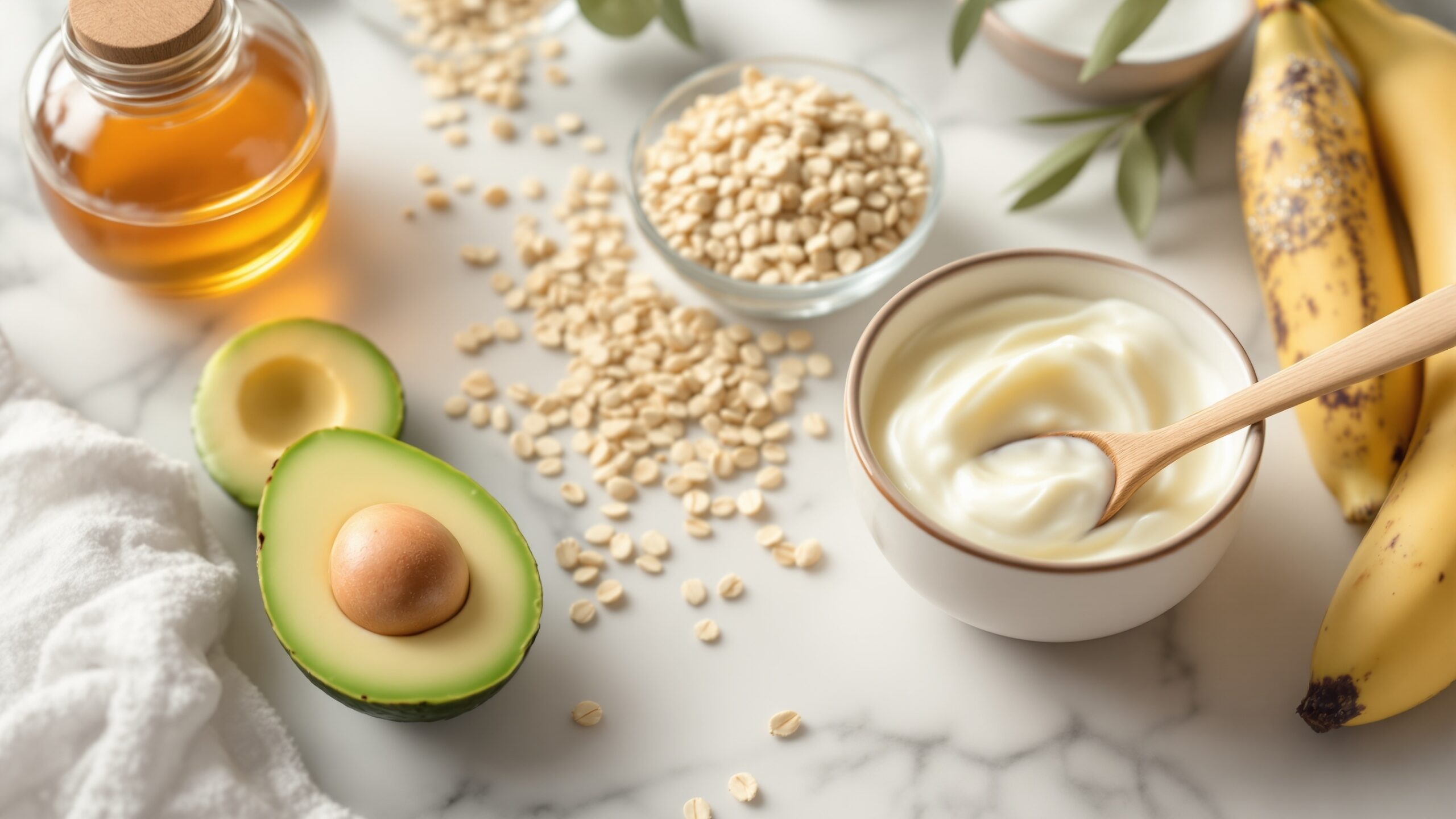
Avocado is often praised as a superfood, and its benefits extend to skincare as well. Rich in healthy fats, vitamins E and C, and antioxidants, avocado provides intense nourishment for dry or aging skin.
When mashed into a smooth paste and applied as a mask, avocado delivers fatty acids that help strengthen the skin barrier and lock in moisture. Vitamin E supports skin repair, while vitamin C contributes to collagen production.
An avocado mask is especially beneficial for individuals dealing with dry patches, dullness, or environmental stress. The creamy texture allows the nutrients to sit comfortably on the skin, leaving it feeling soft and replenished after rinsing.
Combining mashed avocado with a small amount of honey can enhance the mask’s moisturizing properties, creating a deeply hydrating treatment suitable for dry or mature skin types.
Cucumber for Cooling and De-Puffing
Cucumber slices placed over the eyes have become a classic image of relaxation, but this simple remedy has real benefits. Cucumbers contain high water content, antioxidants, and vitamin C, making them useful for calming and hydrating the skin.
The cooling effect of cucumbers helps reduce puffiness and inflammation, particularly around the delicate eye area. The hydration provided by cucumber also helps temporarily improve the appearance of tired or stressed skin.
Blending cucumber into a puree and applying it as a facial mask can deliver refreshing hydration while soothing redness. This treatment is particularly helpful during hot weather or after prolonged sun exposure.
Because cucumbers are gentle and unlikely to irritate the skin, they are suitable for nearly all skin types, including sensitive skin.
Coconut Oil for Moisture and Skin Barrier Support
Coconut oil has become a popular natural skincare ingredient due to its moisturizing properties. It contains medium-chain fatty acids that help soften the skin and support the skin’s protective barrier.
For individuals with very dry skin, coconut oil can function as a powerful overnight moisturizer. Applied in small amounts, it helps seal in hydration and protect against moisture loss.
However, coconut oil is not ideal for everyone. Because it is relatively heavy and comedogenic for some individuals, it may clog pores for people with acne-prone skin. Those with dry or normal skin types tend to benefit most from its rich moisturizing properties.
When used appropriately, coconut oil can also serve as a gentle makeup remover. It effectively dissolves oil-based makeup while nourishing the skin.
Turmeric for Brightening and Anti-Inflammatory Benefits
Turmeric has been used in skincare rituals for centuries, particularly in traditional Ayurvedic beauty treatments. The active compound in turmeric, curcumin, provides powerful anti-inflammatory and antioxidant effects.
When applied to the skin, turmeric can help reduce redness, calm irritation, and brighten dull complexions. Many people use turmeric masks to promote a more radiant and even skin tone.
A common preparation involves mixing a small amount of turmeric powder with yogurt or honey to create a paste. Because turmeric can temporarily stain the skin if used excessively, only a small amount is needed.
Regular use of turmeric masks may help support clearer and more luminous skin, though individuals should patch-test first to ensure compatibility with their skin.
The Importance of Consistency in Natural Skincare
One of the most important factors in achieving results with at-home skincare remedies is consistency. Natural treatments typically work more gradually than highly concentrated cosmetic products, but their gentle approach can still produce meaningful improvements over time.
Applying a honey mask once every few months is unlikely to deliver noticeable changes. However, incorporating soothing treatments such as oatmeal masks, aloe gel, or green tea toners into a weekly routine can steadily enhance hydration, calm inflammation, and support the skin’s natural balance.
Consistency also allows the skin barrier to remain stable. When skin is repeatedly exposed to harsh treatments or constantly changing products, it can become irritated or disrupted. Gentle, consistent routines help maintain long-term skin health.
Safety Tips for Using DIY Skincare Remedies
While natural ingredients can be beneficial, it is important to approach DIY skincare with care. Even natural substances can cause irritation, allergic reactions, or sensitivity if used improperly.
Patch testing is always recommended before applying a new ingredient to the entire face. Applying a small amount to the inner arm or behind the ear can help determine whether the skin will react negatively.
It is also important to avoid overly aggressive combinations. Mixing acidic ingredients such as lemon juice or baking soda into skincare treatments may damage the skin barrier and cause irritation.
Using clean tools, fresh ingredients, and proper storage practices can also help prevent contamination. Most DIY skincare mixtures should be prepared fresh rather than stored for long periods.
When At-Home Remedies Work Best
At-home skincare remedies are most effective when used to support everyday skin health. They can provide hydration, gentle exfoliation, soothing benefits, and nourishment that complement a broader skincare routine.
However, certain conditions—such as severe acne, persistent rosacea, or chronic skin irritation—may require professional dermatological treatment. In those cases, natural remedies may help soothe symptoms but should not replace medical advice.
For everyday maintenance, though, many natural ingredients offer remarkable benefits. Their accessibility and simplicity make them appealing options for individuals seeking gentle, affordable skincare solutions.
The Timeless Appeal of Simple Skincare
Despite the rapid evolution of the beauty industry, many effective skincare practices remain rooted in simple ingredients and traditional wisdom. Honey, oats, aloe, yogurt, and green tea have stood the test of time not because they are trendy, but because they genuinely support skin health.
Incorporating these remedies into a modern skincare routine offers a balanced approach that combines the best of nature and science. By understanding which ingredients work and how to use them properly, anyone can enjoy the benefits of at-home skincare remedies that truly deliver results. Healthy skin does not always require complicated routines or expensive products. Sometimes the most effective treatments are the simplest ones—natural ingredients that nourish, soothe, and restore the skin from the comfort of home.