DIY Face Masks You Can Make From Your Kitchen Pantry
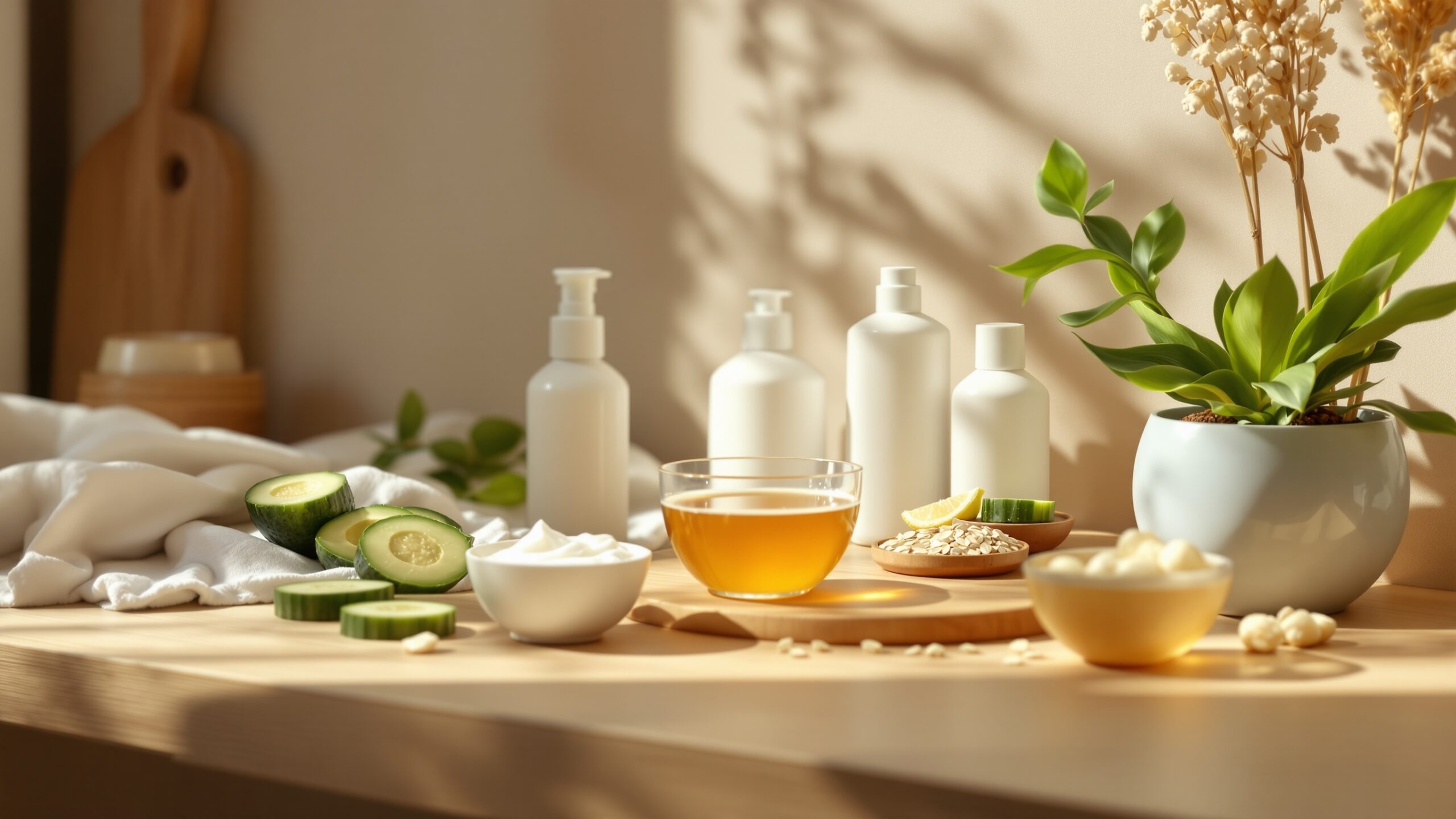
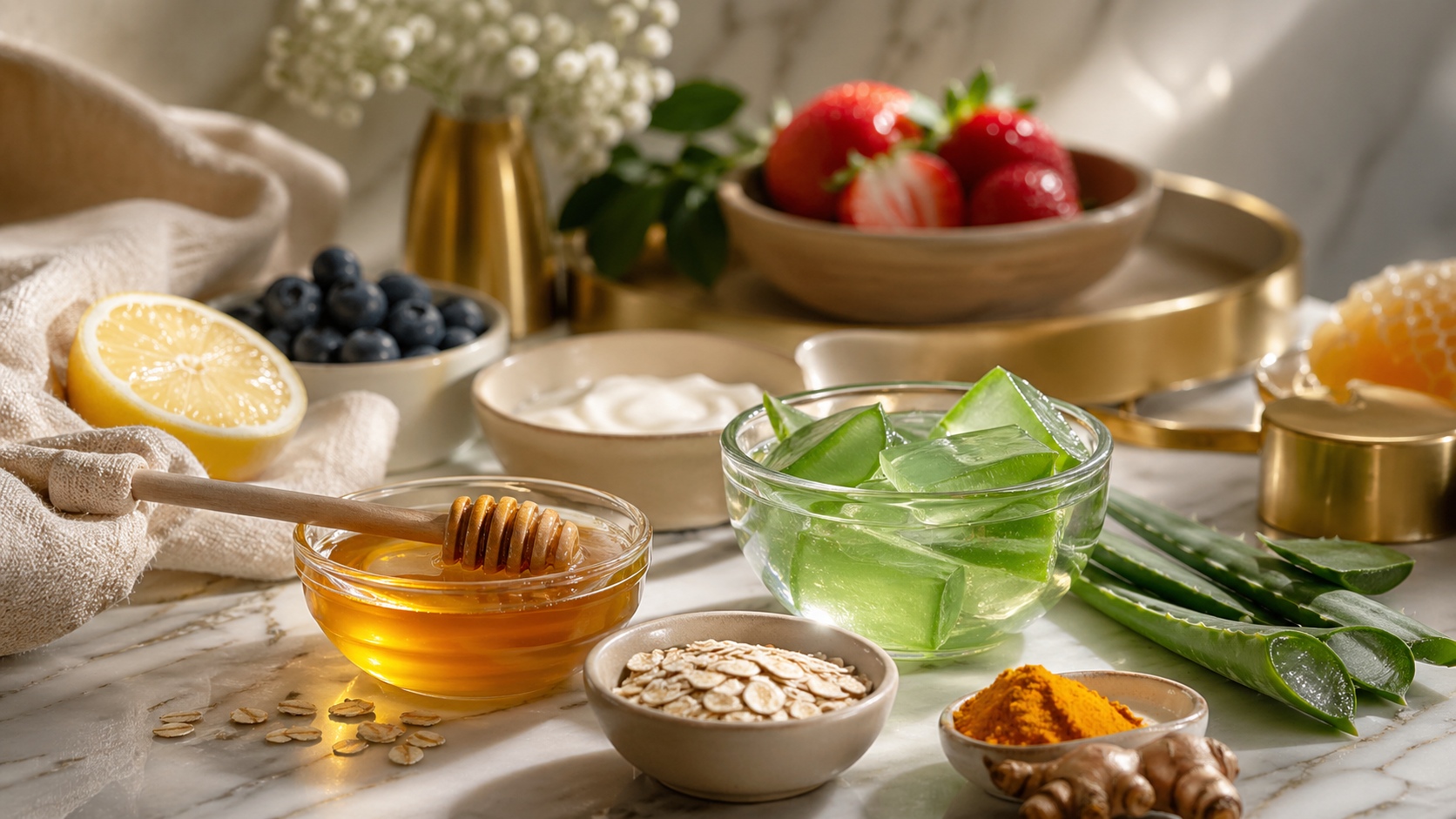
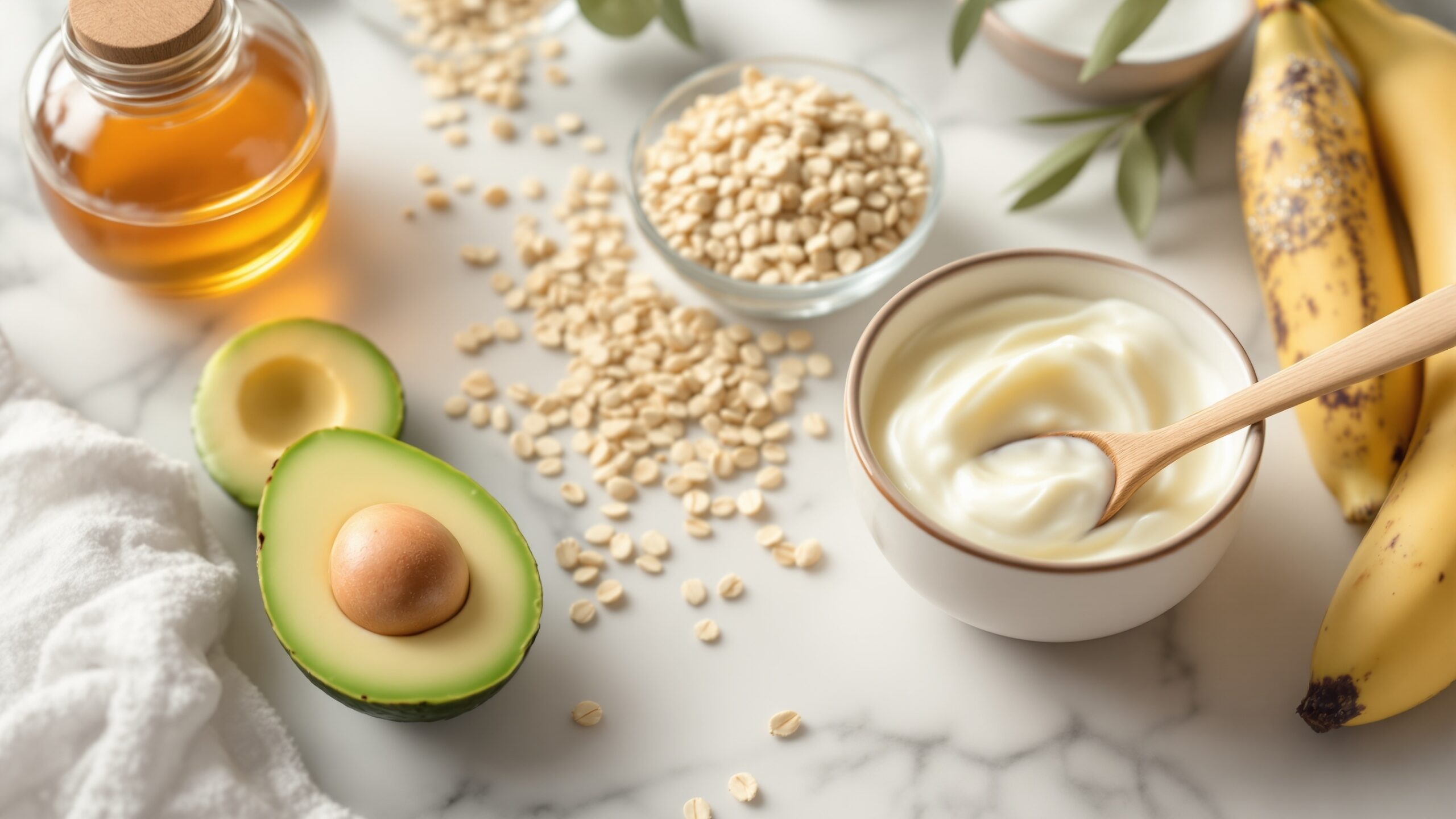
The idea that beauty must come from expensive jars and luxury counters is quickly fading. Increasingly, people are rediscovering a powerful truth: some of the most effective skincare ingredients are already sitting in their kitchens. From honey and oatmeal to yogurt and avocado, pantry staples are filled with vitamins, antioxidants, natural enzymes, and soothing compounds that have been used for centuries in beauty rituals across cultures. DIY face masks made from kitchen ingredients offer a refreshing alternative to synthetic skincare formulas. They are simple, affordable, customizable, and often surprisingly effective. More importantly, they allow people to connect with the ingredients they put on their skin in a more natural and intentional way. While modern skincare science continues to innovate, many of the core ingredients found in professional treatments mirror the natural compounds present in everyday foods. Lactic acid from yogurt gently exfoliates the skin. Honey provides antibacterial and moisturizing properties. Oats calm irritation and inflammation. When combined thoughtfully, these ingredients can create nourishing treatments that support healthy, glowing skin. This guide explores how to transform common pantry ingredients into effective DIY face masks. Whether your goal is hydration, exfoliation, brightening, or calming sensitive skin, these simple recipes bring spa-worthy skincare into your own kitchen.
A: It refers to healthy, luminous skin that reflects light naturally.
A: Yes—hydration, exfoliation, and antioxidants boost natural radiance.
A: No—every complexion can achieve a luminous finish.
A: Usually 1–3 times weekly depending on skin sensitivity.
A: Not necessarily—many facial oils balance and nourish skin.
A: Sunscreen preserves even tone and prevents dullness from sun damage.
A: Yes—antioxidant-rich foods support skin health.
A: They create a smooth reflective base for glowing makeup.
A: Skin dehydration or excess oil can reduce luminosity.
A: Absolutely—hydration and gentle exfoliation make a huge difference.
Why Pantry Ingredients Work for Skincare
Kitchen ingredients are more than just food; many contain powerful nutrients that benefit the skin. Fruits, grains, dairy, and natural sweeteners often provide antioxidants, enzymes, and vitamins that help repair, hydrate, and brighten the complexion.
For example, honey has been used in skincare for thousands of years due to its natural antibacterial and humectant properties. It draws moisture into the skin while helping to protect against harmful bacteria. Yogurt contains lactic acid, a gentle alpha hydroxy acid that exfoliates dead skin cells and promotes smoother skin texture.
Oatmeal is another ingredient frequently recommended by dermatologists for soothing irritated or inflamed skin. Its natural compounds, known as avenanthramides, help calm redness and itching. Meanwhile, fruits like bananas and avocados contain vitamins A, C, and E, which are known to support skin elasticity and hydration.
Using fresh ingredients also eliminates many preservatives, fragrances, and synthetic additives that can sometimes irritate sensitive skin. While DIY masks should always be used with care and proper hygiene, they can offer a gentle, nourishing approach to skincare when used appropriately.
The Honey and Yogurt Glow Mask
One of the simplest and most effective DIY face masks combines honey and yogurt. This blend creates a naturally hydrating and exfoliating treatment that leaves the skin feeling soft and refreshed.
Honey works as a natural humectant, helping the skin retain moisture. At the same time, yogurt’s lactic acid gently exfoliates the surface of the skin, removing dull, dead cells and promoting a brighter complexion. Together, these ingredients create a mask that is ideal for tired or dry skin.
To create the mask, mix one tablespoon of raw honey with one tablespoon of plain yogurt until smooth. Apply the mixture evenly across the face and allow it to sit for about fifteen minutes before rinsing with lukewarm water.
After rinsing, the skin often feels noticeably softer and more radiant. Because the ingredients are mild and nourishing, this mask can be used once or twice a week as part of a regular skincare routine.
Oatmeal and Milk Soothing Mask for Sensitive Skin
For individuals with sensitive or irritated skin, oatmeal and milk create a calming and comforting mask that reduces redness and dryness.
Oatmeal contains anti-inflammatory compounds that help soothe skin conditions such as irritation, sunburn, and mild eczema. Milk provides gentle exfoliation through naturally occurring lactic acid while also delivering moisturizing fats that support the skin barrier.
To prepare this mask, grind two tablespoons of oats into a fine powder using a blender or food processor. Mix the powdered oats with enough milk to create a smooth paste. Allow the mixture to sit for a few minutes so the oats can soften.
Apply the mask evenly to the face and leave it on for about fifteen minutes. When rinsing, use gentle circular motions to allow the oatmeal to lightly exfoliate the skin. The result is skin that feels calm, soft, and refreshed.
Avocado and Olive Oil Deep Hydration Mask
Few kitchen ingredients provide hydration as effectively as avocado. Rich in healthy fats, antioxidants, and vitamins, avocado helps nourish dry or dehydrated skin.
When paired with olive oil, the mask becomes an intensely moisturizing treatment. Olive oil contains vitamin E and powerful antioxidants that help protect the skin from environmental stress while supporting the skin’s natural moisture barrier.
To make the mask, mash half a ripe avocado until smooth and blend it with one teaspoon of olive oil. The mixture should be creamy and easy to spread across the skin.
Apply the mask to the face and leave it on for fifteen to twenty minutes. After rinsing with warm water, the skin often feels deeply hydrated and smooth. This mask works especially well during colder months when skin tends to lose moisture.
Banana and Honey Brightening Mask
Bananas are often overlooked in skincare, but they contain an impressive range of nutrients that benefit the skin. Rich in potassium, vitamin C, and vitamin B6, bananas help improve skin softness and radiance.
When combined with honey, bananas create a mask that brightens dull complexions while providing hydration and gentle nourishment.
To prepare the mask, mash half a ripe banana and mix it with one teaspoon of honey. Blend until the texture is smooth and creamy.
Spread the mask evenly across the face and allow it to sit for about fifteen minutes. Once rinsed, the skin may appear brighter and more refreshed, making this mask ideal before special occasions or when your complexion needs a quick boost.
Coffee and Cocoa Energizing Mask
For a revitalizing skincare treatment, coffee and cocoa create a powerful combination that awakens tired skin.
Coffee grounds contain antioxidants and natural caffeine, which can help temporarily tighten the skin and improve circulation. Cocoa powder adds additional antioxidants that protect the skin from environmental stress and help promote a healthy glow.
To make this mask, combine one tablespoon of finely ground coffee with one tablespoon of cocoa powder. Add enough milk or yogurt to create a smooth paste.
Apply the mixture to the face and leave it on for about ten minutes before rinsing. As the mask is removed, gently massage the skin to allow the coffee grounds to exfoliate the surface.
The result is skin that feels energized, smooth, and refreshed.
Turmeric and Yogurt Radiance Mask
Turmeric has long been used in traditional skincare rituals across South Asia and the Middle East. Known for its anti-inflammatory and antioxidant properties, turmeric can help brighten the complexion and reduce the appearance of redness.
When combined with yogurt, turmeric becomes a powerful radiance-boosting treatment.
To create the mask, mix one tablespoon of plain yogurt with a small pinch of turmeric powder and one teaspoon of honey. Because turmeric can stain, only a small amount is needed.
Apply the mixture evenly across the face and leave it on for ten to fifteen minutes before rinsing thoroughly.
After use, the skin often appears brighter and more even in tone. This mask is particularly popular for promoting a healthy glow before events or celebrations.
Cucumber and Aloe Refreshing Mask
Some of the best skincare treatments focus on soothing and cooling the skin, especially after sun exposure or during hot weather.
Cucumber contains high water content and natural antioxidants that help hydrate and calm the skin. Aloe vera provides soothing compounds that reduce irritation and support healing.
To create the mask, blend half a cucumber until smooth and mix it with one tablespoon of fresh aloe vera gel. Apply the mixture generously to the face and relax for fifteen minutes before rinsing.
This mask leaves the skin feeling cool, refreshed, and hydrated, making it an excellent choice during summer months.
The Benefits of Customizing Your Masks
One of the most appealing aspects of DIY skincare is the ability to tailor treatments to your specific skin needs. Because pantry ingredients are versatile, they can be mixed and adjusted depending on your goals.
For example, someone with dry skin might add extra honey or avocado for moisture, while someone with oily skin might incorporate lemon juice or yogurt for gentle exfoliation. Oatmeal can be included in many masks to provide calming benefits, while fruits like papaya or pineapple offer enzyme-based exfoliation.
This flexibility allows individuals to experiment with combinations that suit their skin type and seasonal needs. Over time, many people develop their own favorite recipes that work best for their complexion.
Safety Tips for DIY Skincare
Although kitchen ingredients are natural, it is still important to approach DIY skincare thoughtfully. Not all ingredients are suitable for every skin type, and some may cause irritation or allergic reactions.
Before applying any new mask to the face, it is wise to perform a patch test on a small area of skin. This helps ensure there is no adverse reaction.
It is also important to avoid harsh ingredients such as undiluted lemon juice or baking soda, which can disrupt the skin’s natural pH balance. Gentle, nourishing ingredients generally provide the best results.
Additionally, DIY masks should always be made fresh and used immediately to maintain hygiene and effectiveness.
Bringing the Spa Experience Into Your Kitchen
DIY face masks offer more than just skincare benefits; they create a moment of relaxation and self-care. Mixing ingredients, applying the mask, and taking time to unwind can transform an ordinary evening into a small wellness ritual.
The simplicity of these masks reminds us that skincare does not always need to be complicated. Many of the ingredients used in high-end skincare products are derived from the same natural compounds found in everyday foods.
By turning to the kitchen pantry, individuals can explore skincare in a more personal and creative way. The process encourages experimentation, mindfulness, and a deeper appreciation for natural ingredients.
A Return to Natural Beauty Traditions
Long before modern cosmetic laboratories existed, people relied on natural ingredients to care for their skin. Ancient Egyptian beauty rituals included honey and milk baths. Greek and Roman skincare routines featured olive oil and herbs. In many cultures, turmeric, yogurt, and fruit enzymes were used to maintain radiant complexions.
Today’s renewed interest in DIY skincare reflects a broader movement toward simplicity, sustainability, and transparency in beauty routines. People are increasingly interested in understanding what they apply to their skin and how those ingredients work.
Kitchen-based face masks represent a bridge between traditional beauty wisdom and modern skincare awareness. They remind us that effective skincare can be both simple and enjoyable.
The Joy of Simple, Nourishing Skincare
DIY face masks made from pantry ingredients provide an accessible way to care for the skin using natural, nutrient-rich foods. Whether the goal is hydration, soothing irritation, or brightening the complexion, these simple recipes demonstrate how everyday ingredients can become powerful skincare treatments.
More importantly, they encourage a thoughtful approach to beauty—one that values nourishment, creativity, and self-care over complicated routines. The next time your skin needs a boost, the solution may not require a trip to the store. Instead, the perfect skincare treatment could already be waiting in your kitchen pantry.