The Timeless Appeal of Natural Skincare
Long before the rise of clinical formulations and high-tech serums, glowing skin was cultivated through simple, natural rituals rooted in tradition. Across cultures and centuries, people relied on botanical extracts, raw ingredients, and holistic techniques to nourish their skin. Today, as consumers grow more conscious of ingredient transparency and sustainability, natural DIY beauty treatments are experiencing a powerful resurgence. They offer not only cost-effective alternatives to commercial products but also a deeper connection to the ingredients being used. Natural skincare is not about rejecting science; rather, it is about harnessing bioactive compounds found in nature. Ingredients like honey, turmeric, aloe vera, and oats are rich in antioxidants, enzymes, vitamins, and anti-inflammatory agents that support skin health. When used correctly, these components can enhance radiance, improve texture, and restore balance without the need for harsh chemicals.
A: Most are, but always patch test first to avoid reactions.
A: 1-3 times per week depending on your skin’s needs.
A: They can complement, but not always fully replace, formulated products.
A: Only when diluted, and avoid sun exposure afterward.
A: Some give immediate glow, but long-term results need consistency.
A: Yes, certain oils help regulate oil production.
A: Many contain active nutrients beneficial for skin health.
A: Overuse or wrong ingredients can clog pores or irritate skin.
A: Yes, and use them within a few days for freshness.
A: Not always—effectiveness depends on formulation and skin compatibility.
Understanding What “Glowing Skin” Really Means
The concept of glowing skin extends far beyond surface-level shine. In dermatological terms, it refers to skin that is well-hydrated, evenly toned, smooth in texture, and supported by a healthy barrier function. Glow is often the result of proper cell turnover, adequate hydration, and reduced inflammation. This means that any effective skincare routine—DIY or otherwise—must address cleansing, exfoliation, nourishment, and protection.
Natural treatments can play a meaningful role in this process. For instance, enzymatic exfoliation from fruit acids can gently remove dead skin cells, while humectants like honey draw moisture into the skin. Anti-inflammatory ingredients reduce redness and irritation, creating a more even complexion. When combined thoughtfully, these elements form the foundation of a glowing, resilient skin profile.
The Science Behind Common Natural Ingredients
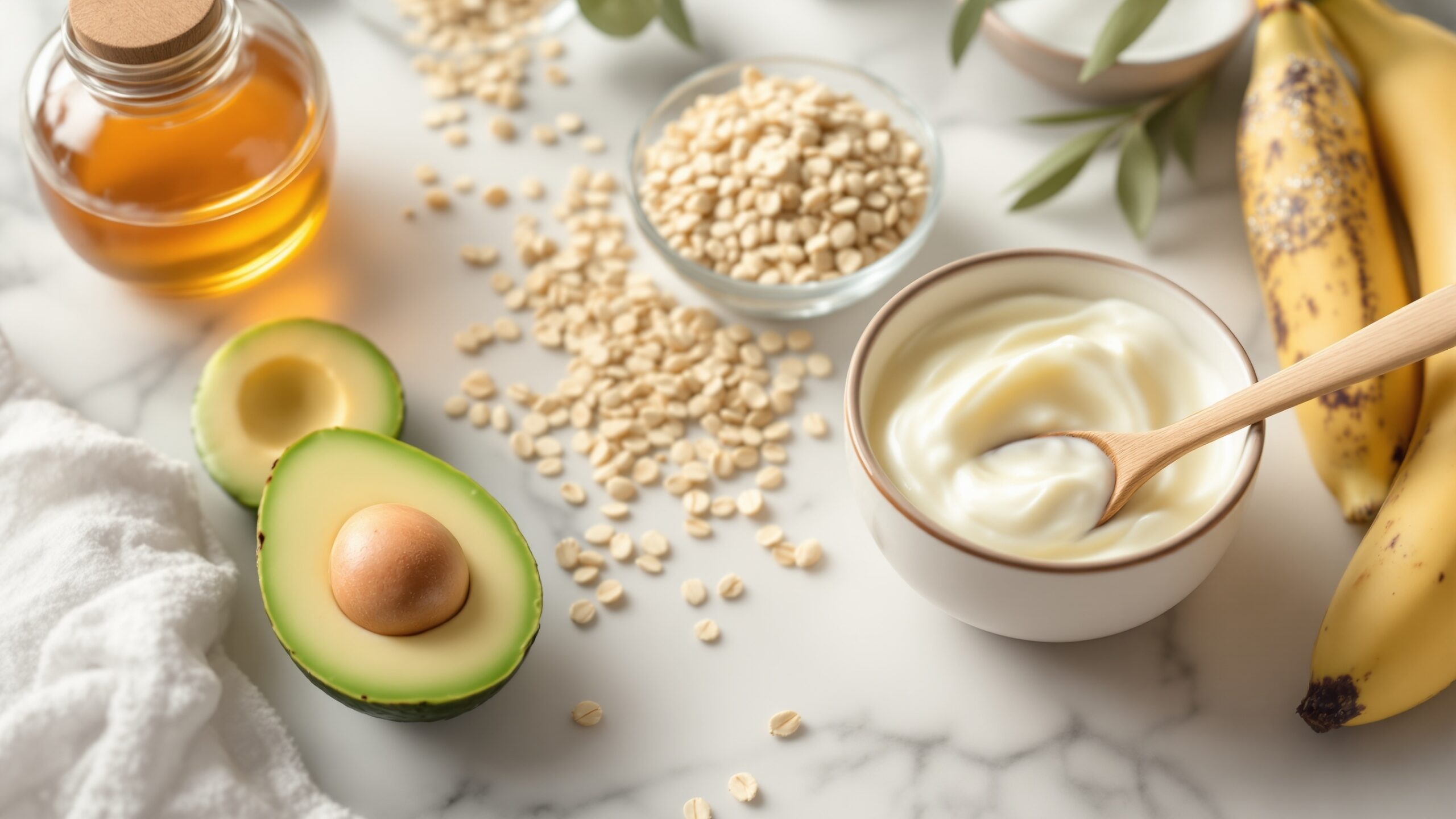
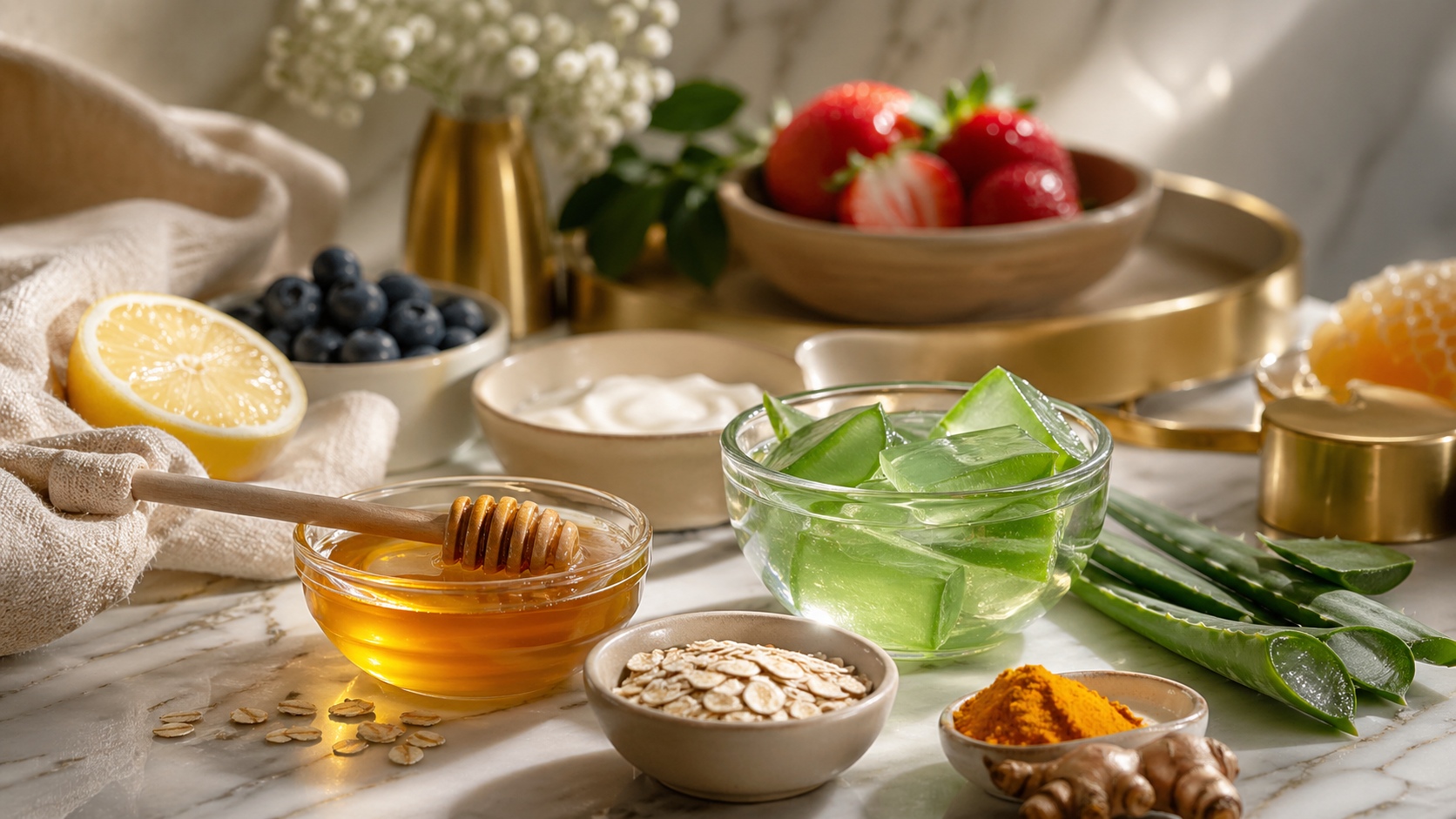
One of the strengths of DIY skincare lies in the potency of its raw ingredients. Honey, particularly raw or Manuka honey, is a natural humectant with antimicrobial properties. It helps maintain moisture levels while also supporting acne-prone skin by inhibiting bacterial growth. Turmeric contains curcumin, a compound known for its anti-inflammatory and antioxidant benefits, making it useful for brightening dull skin and calming irritation.
Aloe vera is another cornerstone ingredient, rich in polysaccharides that promote hydration and wound healing. It is especially beneficial for soothing sun-exposed or sensitive skin. Oatmeal, often colloidal in form, contains beta-glucans that help strengthen the skin barrier and reduce itching or inflammation. Meanwhile, yogurt offers lactic acid, a mild alpha hydroxy acid that gently exfoliates while improving skin texture.
These ingredients are not merely anecdotal remedies; many have been studied for their dermatological benefits. When incorporated into DIY treatments, they can deliver measurable improvements in skin clarity and luminosity.
Cleansing Rituals Using Natural Ingredients
Cleansing is the cornerstone of any skincare routine, and natural alternatives can be surprisingly effective. Oil cleansing, for example, uses plant-based oils like jojoba, almond, or coconut oil to dissolve impurities and excess sebum. This method works on the principle that “like dissolves like,” allowing oils to break down makeup and debris without stripping the skin’s natural barrier.
For those seeking a gentler option, milk-based cleansers offer a soothing alternative. Milk contains lactic acid and fats that help cleanse while maintaining hydration. Mixing milk with a small amount of honey creates a mild yet effective cleanser that leaves the skin soft and refreshed.
Herbal infusions also provide a refined approach to cleansing. Chamomile, green tea, and rose water can be used as toning cleansers, delivering antioxidants and calming properties while removing residual impurities. These methods not only cleanse the skin but also prepare it for subsequent treatments.
Exfoliation for Radiance and Renewal
Exfoliation is essential for achieving glowing skin, as it removes the buildup of dead skin cells that can dull the complexion. Natural exfoliants fall into two categories: physical and chemical. Physical exfoliants include ingredients like sugar, coffee grounds, or finely ground oats. These provide mechanical removal of dead cells but must be used with care to avoid micro-tears in the skin.
Chemical exfoliation, on the other hand, relies on naturally occurring acids. Fruit-based masks made from papaya, pineapple, or lemon contain enzymes and alpha hydroxy acids that gently dissolve dead skin cells. Papaya, for instance, contains papain, an enzyme known for its exfoliating properties.
A balanced approach often works best. Combining mild physical exfoliation with enzymatic action can enhance results while minimizing irritation. Regular exfoliation—performed once or twice a week—reveals fresher, smoother skin and improves the absorption of other treatments.
Hydration and Moisture Locking Techniques
Hydration is a critical factor in achieving and maintaining a radiant complexion. Dehydrated skin often appears dull, uneven, and more prone to fine lines. Natural ingredients offer multiple pathways to boost hydration and lock in moisture.
Aloe vera gel serves as a lightweight hydrator, delivering water-binding compounds that penetrate the skin. When combined with glycerin or honey, it creates a powerful moisturizing blend that retains hydration over time. Coconut oil and shea butter, while heavier, act as occlusives that seal in moisture and protect the skin barrier.
Face mists made from rose water or cucumber extract can be used throughout the day to refresh and hydrate the skin. These mists not only provide immediate relief but also support long-term hydration when used consistently. Incorporating these techniques into a daily routine helps maintain the supple, dewy quality associated with glowing skin.
Brightening Treatments Using Kitchen Ingredients
Achieving a natural glow often involves addressing uneven skin tone and dullness. Brightening treatments made from common kitchen ingredients can be both effective and accessible. Lemon juice, for example, contains citric acid, which can help lighten dark spots and enhance overall brightness. However, it must be diluted and used cautiously due to its potential to irritate sensitive skin.
Turmeric masks are widely recognized for their brightening effects. When mixed with yogurt or milk, turmeric creates a paste that can improve skin tone and reduce pigmentation over time. Similarly, mashed fruits like banana and strawberry provide vitamins and antioxidants that contribute to a healthier complexion.
Potato juice, though less commonly discussed, contains enzymes and vitamin C that can help reduce dark circles and pigmentation. When applied regularly, these treatments can gradually enhance skin clarity and luminosity.
Targeting Acne and Inflammation Naturally
Acne and inflammation can significantly impact the appearance of the skin, making it difficult to achieve a natural glow. Fortunately, many natural ingredients possess antibacterial and anti-inflammatory properties that can help manage these concerns.
Tea tree oil is a well-known natural antiseptic that can reduce acne-causing bacteria. It should always be diluted before application to prevent irritation. Honey, as previously mentioned, also offers antimicrobial benefits while soothing the skin.
Clay masks, particularly those made from bentonite or kaolin clay, help draw out impurities and excess oil. These masks are especially beneficial for oily or acne-prone skin types. When combined with apple cider vinegar or rose water, they create a detoxifying treatment that leaves the skin clearer and more balanced.
Green tea, rich in polyphenols, can be used as a topical treatment or facial rinse to reduce inflammation and redness. Incorporating these elements into a routine can help control breakouts while promoting a smoother, more even complexion.
Anti-Aging Benefits of Natural Remedies
While aging is a natural process, certain treatments can help maintain skin elasticity and reduce the appearance of fine lines. Natural ingredients rich in antioxidants play a key role in this area by combating oxidative stress and supporting collagen production.
Egg whites, for example, create a temporary tightening effect that can make the skin appear firmer. Avocado, rich in healthy fats and vitamins, provides deep nourishment that supports skin elasticity. Oils such as argan and rosehip are particularly valued for their ability to improve skin texture and reduce signs of aging.
Regular use of antioxidant-rich masks and serums can help protect the skin from environmental damage, one of the primary contributors to premature aging. Over time, these treatments contribute to a more youthful, radiant appearance.
Building a Consistent DIY Skincare Routine
Consistency is the defining factor in any successful skincare regimen. Natural DIY treatments are most effective when integrated into a structured routine that addresses the skin’s evolving needs. A typical routine might include cleansing, exfoliation, hydration, and targeted treatments, performed at appropriate intervals.
It is also important to consider skin type when selecting ingredients. Oily skin may benefit from clay-based treatments and lightweight hydrators, while dry skin requires richer, more emollient ingredients. Sensitive skin, meanwhile, demands gentle formulations with minimal potential for irritation.
Patch testing is a crucial step often overlooked in DIY skincare. Even natural ingredients can cause reactions, so testing on a small area of skin helps prevent adverse effects. By approaching DIY skincare with the same level of care as commercial products, users can achieve safer and more effective results.
The Role of Lifestyle in Achieving Glowing Skin
No skincare routine exists in isolation. Lifestyle factors such as diet, hydration, sleep, and stress management play a significant role in skin health. A diet rich in fruits, vegetables, and healthy fats provides essential nutrients that support skin function from within.
Adequate water intake helps maintain hydration levels, while quality sleep allows the skin to repair and regenerate. Stress, on the other hand, can trigger inflammation and exacerbate conditions like acne and eczema. Incorporating mindfulness practices or regular physical activity can help mitigate these effects.
Sun protection is another critical component. Even the most effective DIY treatments cannot counteract the damage caused by unprotected sun exposure. Using natural or mineral-based sunscreens ensures that the skin remains protected while maintaining a commitment to clean ingredients.
Sustainability and the Future of DIY Beauty
One of the most compelling aspects of natural DIY beauty is its alignment with sustainable practices. By using ingredients that are readily available and biodegradable, individuals can reduce their environmental footprint. Reusable containers, minimal packaging, and reduced reliance on mass-produced products contribute to a more eco-conscious approach to skincare.
As the beauty industry continues to evolve, the integration of traditional knowledge with modern science is likely to shape future innovations. DIY skincare represents a bridge between these worlds, offering a personalized, transparent, and sustainable alternative to conventional products.
Final Thoughts on Achieving Naturally Glowing Skin
Natural DIY beauty treatments offer a powerful pathway to achieving glowing skin, combining simplicity, effectiveness, and sustainability. By understanding the properties of key ingredients and applying them thoughtfully, individuals can create routines that support long-term skin health. The journey to radiant skin is not about quick fixes or fleeting trends. It is about consistency, balance, and a deep appreciation for the resources provided by nature. With the right approach, natural skincare can deliver results that are not only visible but also deeply rooted in overall well-being.