The Evolution of Luxury in the Beauty Industry
For decades, the word luxury in beauty meant exclusivity, opulent packaging, high price tags, and prestigious brand heritage. Marble counters in department stores, gold-accented bottles, and celebrity endorsements defined what it meant to buy premium skincare or cosmetics. Consumers associated luxury with rarity, prestige, and indulgence. However, the modern beauty landscape is undergoing a profound transformation. Today’s luxury is no longer defined solely by glamour and price. Instead, a growing number of beauty consumers are redefining luxury through a new lens—one that prioritizes sustainability, transparency, ethical sourcing, and environmental responsibility. Sustainable beauty brands are emerging as the new standard for modern luxury, reshaping the industry’s values and expectations. Consumers increasingly want products that not only perform exceptionally but also align with their values. They want skincare that protects both their skin and the planet, cosmetics that are cruelty-free, and packaging that minimizes waste. The rise of eco-conscious shoppers, combined with global awareness of climate change and environmental impact, has driven a shift that is influencing every aspect of the beauty market. Sustainable beauty brands are responding with innovative formulas, environmentally responsible packaging, and transparent business practices. These companies are proving that luxury can coexist with sustainability, and in many cases, sustainability enhances the prestige of a brand rather than diminishing it.
A: Hydration, subtle bronzing, and strategic highlighting.
A: Absolutely—bronzer and glow products create the same effect safely.
A: Not always. Healthy skin and hydration alone can look radiant.
A: Warm tones like peach, bronze, and champagne.
A: Yes—lightweight oils reflect light and boost luminosity.
A: Yes—use strategic highlight instead of all-over shimmer.
A: No—radiant skincare can create glow naturally.
A: Warm sunlight or soft golden lighting enhances radiance.
A: Yes—nutrient-rich foods support brighter skin.
A: Layered skincare, bronzers, and strategic lighting.
Why Sustainability Has Become the New Status Symbol
In today’s beauty industry, sustainability is quickly becoming a new form of status. Rather than flaunting expensive ingredients or elaborate packaging alone, brands are emphasizing responsible sourcing, ethical labor practices, and reduced environmental impact.
Consumers—especially younger generations such as Millennials and Gen Z—view sustainability as an indicator of quality and integrity. Owning a product from a brand that uses recyclable packaging or responsibly harvested ingredients is not only appealing but also reflects a conscious lifestyle. For these consumers, luxury is no longer just about indulgence; it is about thoughtful consumption.
Social media has accelerated this shift. Consumers share their routines, product discoveries, and ethical shopping habits online, creating communities that celebrate sustainable choices. Beauty influencers increasingly spotlight brands that prioritize environmental responsibility, amplifying their reach and credibility.
As a result, sustainability has evolved into a powerful marketing and branding tool. Brands that demonstrate authentic environmental commitment often command the same prestige once reserved for traditional luxury houses. Sustainable beauty is no longer a niche segment—it is rapidly becoming the benchmark for modern luxury.
Ethical Ingredients and Conscious Formulation
One of the most significant ways sustainable beauty brands redefine luxury is through their approach to ingredients. Instead of focusing solely on exotic or rare compounds, these brands emphasize responsibly sourced botanicals, renewable resources, and scientifically proven ingredients that benefit both skin and the environment.
Luxury skincare once leaned heavily on ingredients associated with rarity or extravagance, such as caviar extracts or gold-infused serums. While these ingredients symbolized opulence, they did not always align with ethical or environmental values. Today’s sustainable beauty brands are shifting attention toward ingredients like sustainably harvested seaweed, plant-derived squalane, cold-pressed botanical oils, and biodegradable actives.
Transparency is also becoming a hallmark of luxury formulation. Consumers increasingly expect brands to disclose where their ingredients come from, how they are processed, and whether they are ethically harvested. Companies that provide clear ingredient sourcing information and demonstrate responsible supply chains earn higher levels of trust and brand loyalty.
In many cases, sustainable brands also prioritize clean formulations that avoid controversial ingredients such as parabens, synthetic fragrances, or certain petrochemicals. While the definition of “clean beauty” continues to evolve, the emphasis on safer, environmentally responsible ingredients has become an important part of the luxury experience.
Sustainable Packaging and the Rise of Eco-Luxury
Packaging has long been a defining feature of luxury beauty products. Historically, high-end products relied on heavy glass bottles, metallic finishes, and elaborate designs that projected elegance and prestige. However, these materials often came with environmental costs, including excessive plastic waste and difficult-to-recycle components.
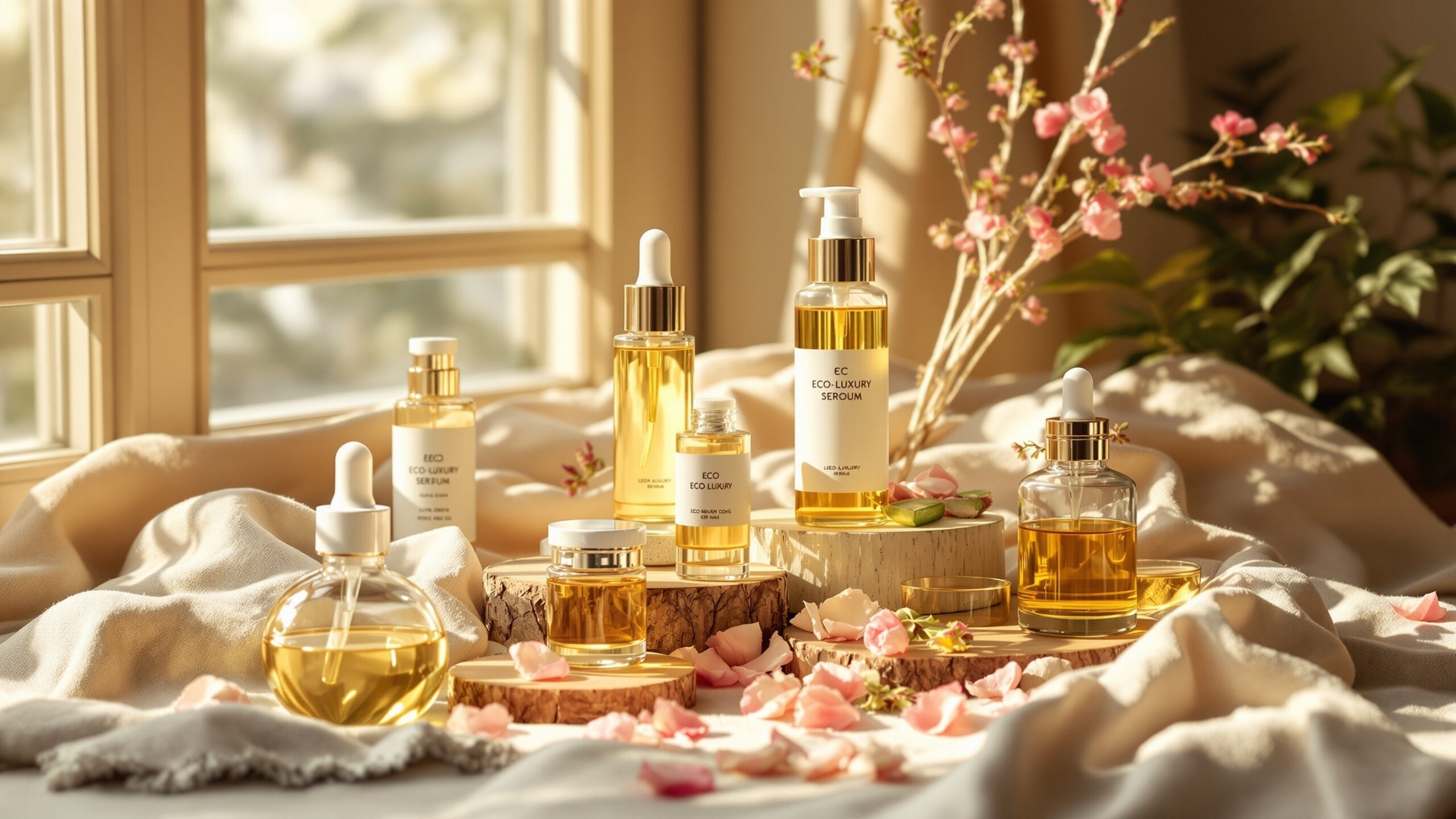
Sustainable beauty brands are transforming packaging into a centerpiece of eco-luxury innovation. Refillable containers, recycled materials, and minimalist packaging designs are becoming hallmarks of premium beauty lines.
Refillable systems are one of the most exciting developments in sustainable luxury. Brands now offer durable outer packaging—often crafted from glass, aluminum, or ceramic—that consumers can reuse while purchasing refill cartridges for the product itself. This dramatically reduces waste while preserving the luxurious feel of the product.
Recycled plastics and biodegradable materials are also becoming more common. Some brands use ocean-recovered plastics or plant-based bioplastics to produce packaging that reduces reliance on fossil fuels. Others experiment with compostable packaging derived from bamboo, sugarcane, or mushroom-based materials.
Minimalism is another growing trend. Sustainable luxury brands often opt for sleek, understated packaging that emphasizes quality craftsmanship rather than excess decoration. The result is a refined aesthetic that communicates elegance while reducing environmental impact.
Transparency and Brand Integrity
One of the defining characteristics of sustainable luxury beauty is transparency. Modern consumers are increasingly skeptical of vague marketing claims and demand clear, verifiable information about how products are made.
Sustainable beauty brands respond by offering unprecedented insight into their production processes. Many companies publish detailed sustainability reports outlining their environmental goals, supply chain practices, and carbon reduction efforts. Others openly discuss ingredient sourcing, manufacturing standards, and labor practices.
Certifications have also become an important part of building credibility. Labels such as Fair Trade, Leaping Bunny, USDA Organic, and B Corp certification signal that a brand meets rigorous standards for environmental and social responsibility. These certifications provide reassurance to consumers seeking products that align with their ethical values.
Transparency strengthens the relationship between brands and their customers. When companies openly communicate their challenges, progress, and goals, they build trust that goes far beyond traditional advertising. In the context of luxury beauty, this honesty enhances the brand’s reputation and deepens consumer loyalty.
Innovation Driving the Future of Sustainable Beauty
Innovation plays a central role in how sustainable beauty brands redefine luxury. Rather than sacrificing performance for sustainability, these companies are investing heavily in research and development to create products that deliver both exceptional results and environmental responsibility.
Biotechnology is one of the most exciting areas of innovation in sustainable beauty. Scientists are now able to create ingredients in laboratories using fermentation processes that replicate naturally occurring compounds without harvesting large quantities of plants or marine organisms. This approach preserves biodiversity while producing highly effective skincare ingredients.
Waterless beauty products are another emerging trend. Many beauty formulations contain significant amounts of water, which increases packaging weight and transportation emissions. By developing concentrated powders, solid bars, and anhydrous formulations, brands can reduce their environmental footprint while delivering highly potent products.
Upcycled ingredients are also gaining popularity. These ingredients are derived from materials that would otherwise be discarded during food or agricultural production. For example, fruit seeds, coffee grounds, and nut shells can be transformed into powerful skincare ingredients. Upcycling not only reduces waste but also highlights the creative possibilities within sustainable beauty innovation.
The Influence of Conscious Consumers
Consumer behavior plays a crucial role in shaping the future of sustainable luxury beauty. As awareness of environmental issues grows, shoppers are increasingly demanding products that align with their ethical values.
This shift has forced many traditional beauty companies to reevaluate their practices. Established luxury brands that once focused primarily on prestige and exclusivity are now investing in sustainability initiatives to remain competitive. From carbon-neutral manufacturing to recyclable packaging commitments, the entire industry is responding to consumer demand.
Education has also become an important factor. Consumers are learning more about ingredient sourcing, environmental impact, and ethical production practices. Beauty enthusiasts often research brands thoroughly before making purchases, comparing sustainability commitments and verifying claims.
This informed consumer base has created a marketplace where sustainability is not simply a marketing strategy but a genuine expectation. Brands that fail to meet these expectations risk losing credibility and market share.
Luxury Experiences with a Sustainable Mindset
Sustainable beauty brands are also redefining the luxury experience itself. Instead of focusing exclusively on product aesthetics, these companies emphasize holistic brand experiences that reflect mindful living.
Many sustainable beauty brands integrate wellness philosophies into their product lines. Skincare routines are designed to encourage self-care rituals that promote relaxation and mindfulness. Natural fragrances, botanical extracts, and aromatherapeutic ingredients contribute to an experience that feels both indulgent and restorative.
Retail environments are evolving as well. Eco-conscious beauty stores often feature minimalist interior designs, natural materials, and refill stations where customers can replenish their favorite products. These spaces emphasize sustainability while still maintaining an upscale atmosphere.
Digital engagement also plays a role in shaping modern luxury experiences. Brands communicate their sustainability efforts through storytelling, educational content, and behind-the-scenes glimpses of ingredient sourcing or production processes. This transparency creates a deeper connection between consumers and the brands they support.
Challenges Facing Sustainable Luxury Beauty
Despite the progress made by sustainable beauty brands, the transition toward eco-luxury is not without challenges. One of the biggest obstacles is balancing sustainability with scalability. Sourcing ethically produced ingredients or developing recyclable packaging solutions can be expensive and complex.
Supply chain transparency is another ongoing challenge. Many beauty products rely on global ingredient sourcing, making it difficult to track every step of production. Brands must invest significant resources into monitoring suppliers and ensuring compliance with sustainability standards.
Greenwashing is also a concern within the industry. Some companies make exaggerated sustainability claims without meaningful action behind them. This practice undermines consumer trust and creates confusion about what truly qualifies as sustainable beauty.
To combat these challenges, industry leaders and regulatory organizations are working to establish clearer standards and guidelines. Improved labeling systems, stricter certification processes, and increased accountability are helping to strengthen the credibility of sustainable beauty initiatives.
The Future of Sustainable Luxury
The future of luxury beauty is increasingly intertwined with sustainability. As technology advances and consumer expectations evolve, brands will continue to explore innovative ways to minimize environmental impact while delivering high-performance products.
Circular beauty models are likely to play a major role in this future. These models emphasize product life cycles that eliminate waste, incorporating refillable packaging, recycling programs, and biodegradable materials. Some brands are even exploring packaging-free concepts that rely on concentrated product forms or dissolvable containers.
Artificial intelligence and advanced research technologies may also improve sustainability in formulation and manufacturing. Predictive modeling can help scientists identify the most efficient ingredients and production methods, reducing resource consumption and environmental impact.
Collaboration across industries will further accelerate progress. Partnerships between beauty companies, environmental organizations, and biotechnology firms are creating new solutions that push the boundaries of sustainable innovation.
Ultimately, the definition of luxury in beauty is evolving. Rather than representing excess, modern luxury reflects thoughtful design, ethical responsibility, and environmental awareness.
A New Standard for Beauty
Sustainable beauty brands are redefining what it means to experience luxury in the modern world. By prioritizing ethical ingredients, innovative packaging, transparent practices, and environmental responsibility, these companies are reshaping the industry’s values and expectations.
Luxury is no longer measured solely by price or exclusivity. Instead, it is defined by quality, authenticity, and a commitment to protecting the planet. Consumers are embracing this new vision of beauty—one that combines indulgence with responsibility. As sustainable innovation continues to expand, the beauty industry is entering an era where luxury and sustainability are not opposing forces but complementary ideals. Brands that embrace this philosophy are setting a new standard for excellence, proving that true luxury lies not only in how products make us look, but also in how they impact the world around us.