Clean Makeup Explained: What It Really Means for Your Skin
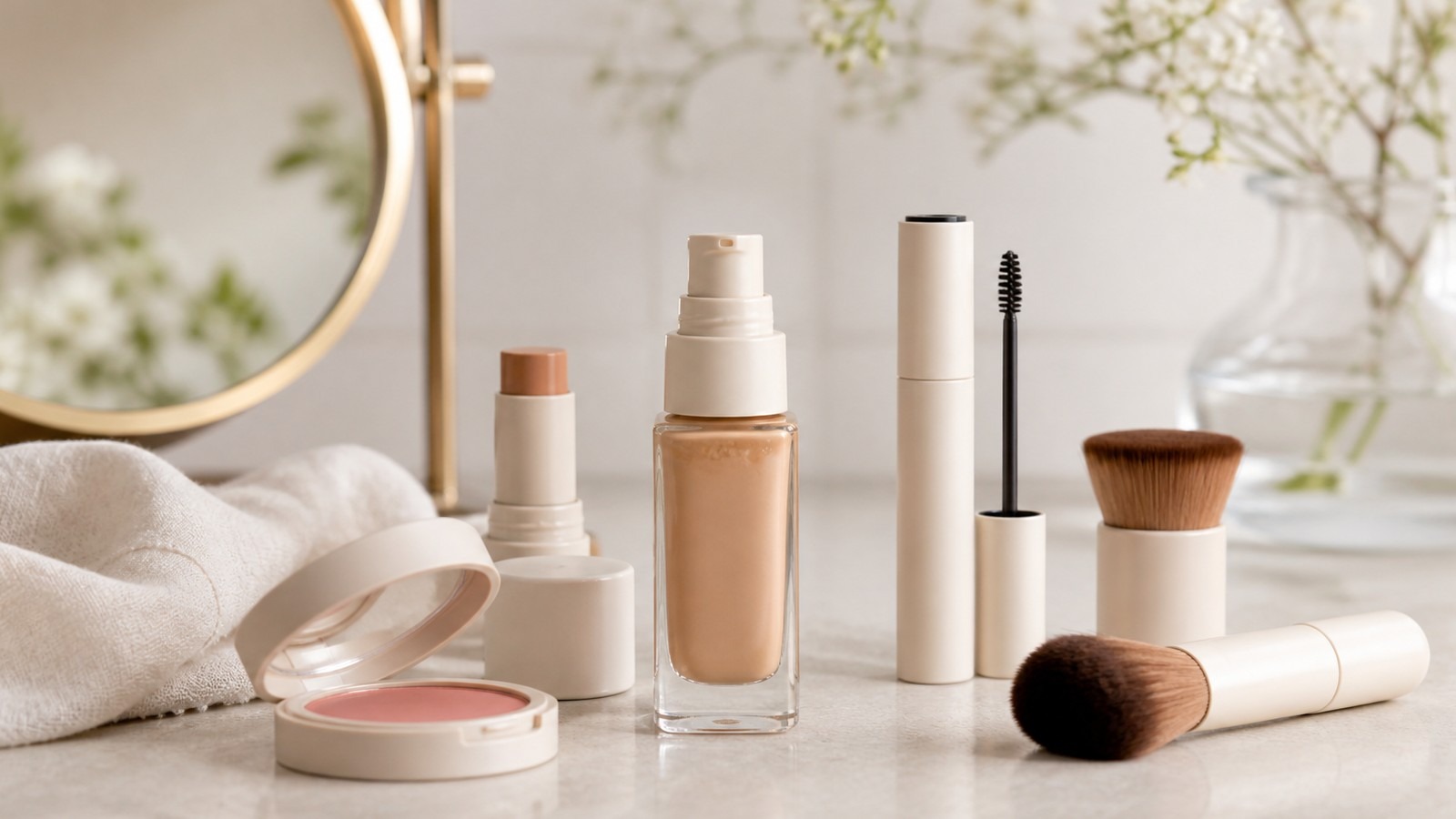
Clean makeup has become one of the most talked-about movements in the beauty industry, promising healthier skin, safer ingredients, and a more transparent approach to cosmetics. Walk through any beauty retailer or browse online, and you will see “clean,” “non-toxic,” and “skin-friendly” stamped across foundations, mascaras, and lip products. Yet despite its popularity, clean makeup is often misunderstood. For some consumers, it represents a complete overhaul of their beauty routine; for others, it feels like a vague marketing term with unclear standards. Understanding what clean makeup truly means requires looking beyond the label and exploring its philosophy, ingredients, formulation practices, and real impact on skin health.
A: It can help, but formulation matters more than the label.
A: Often yes, due to alternative preservatives.
A: No—natural ingredients can still irritate skin.
A: Yes, though textures and wear may differ.
A: Not always—unscented may still include masking fragrance.
A: Many clean formulas focus on hydration and barrier support.
A: They follow cosmetic laws, but “clean” is self-defined.
A: Yes, if ingredients don’t suit your skin type.
A: Not necessarily—check certifications.
A: Gradual transitions are usually best.
The Rise of Clean Makeup in Modern Beauty
The clean makeup movement did not emerge overnight. It grew alongside a broader shift toward wellness, ingredient transparency, and conscious consumerism. As people became more informed about what they eat, wear, and apply to their bodies, cosmetics naturally came under scrutiny. Social media, dermatology research, and ingredient databases empowered consumers to question long ingredient lists filled with unfamiliar chemical names.
At the same time, many individuals began connecting skin sensitivities, breakouts, and irritation to certain cosmetic products. This fueled demand for formulas perceived as gentler and more aligned with skin health. Clean makeup brands stepped into this space, offering products positioned as safer alternatives that support the skin rather than stress it. The movement quickly evolved from a niche category into a mainstream beauty philosophy embraced by major retailers and global brands.
What “Clean Makeup” Actually Means
At its core, clean makeup is about ingredient intention and formulation philosophy rather than a single universal definition. Unlike organic food, clean beauty does not have one globally enforced regulatory standard. Instead, clean makeup typically refers to products formulated without certain controversial or potentially irritating ingredients and made with a focus on safety, skin compatibility, and transparency.
Most clean makeup brands commit to excluding ingredients such as parabens, phthalates, formaldehyde releasers, sulfates, and certain synthetic fragrances. Many also avoid ingredients that are known to clog pores or trigger sensitivity in vulnerable skin types. However, clean does not necessarily mean chemical-free. In fact, many clean formulas rely on safe, lab-created ingredients that are rigorously tested for stability and skin tolerance.
Clean Makeup vs. Natural and Organic Makeup
One of the most common sources of confusion is the difference between clean, natural, and organic makeup. While these terms are often used interchangeably, they represent distinct concepts. Natural makeup emphasizes ingredients derived from nature, such as plant oils, waxes, and mineral pigments. Organic makeup takes this a step further, requiring ingredients to be grown and processed according to certified organic standards.
Clean makeup, by contrast, focuses on ingredient safety and performance rather than origin alone. A clean product may include synthetic ingredients if they are proven safe and effective, while a natural ingredient may be excluded if it poses a higher risk of irritation or instability. This distinction is important, as not all natural ingredients are inherently better for the skin, and not all synthetic ingredients are harmful.
Ingredient Transparency and the Clean Beauty Philosophy
Transparency is one of the defining pillars of clean makeup. Clean brands typically make ingredient lists easy to understand, often explaining what each component does and why it is included. This approach empowers consumers to make informed choices rather than relying solely on marketing claims.
For skin health, transparency matters because it allows individuals with sensitivities, acne-prone skin, or conditions like rosacea or eczema to identify potential triggers. Instead of hiding behind proprietary blends or vague descriptors, clean makeup brands often highlight their formulation choices and testing standards. This shift toward openness has influenced even traditional brands to rethink how they communicate ingredient information.
How Clean Makeup Interacts with the Skin
From a dermatological perspective, clean makeup is often designed to work more harmoniously with the skin’s natural barrier. Many clean formulas prioritize lightweight textures, breathable coverage, and skin-conditioning ingredients. Rather than masking the skin, these products aim to support its natural functions.
Hydrating ingredients such as glycerin, squalane, and hyaluronic acid are commonly found in clean foundations and concealers. These components help maintain moisture balance and reduce the likelihood of dryness or flaking throughout the day. For individuals with sensitive skin, the absence of certain irritants may reduce redness, itching, or post-wear discomfort, although results can vary depending on individual skin chemistry.
The Role of Preservatives in Clean Makeup
One of the most misunderstood aspects of clean makeup is preservation. Preservatives are essential for preventing bacterial and fungal growth, especially in products that contain water. Without them, makeup can become unsafe to use. Clean makeup does not eliminate preservatives entirely; instead, it relies on alternative preservation systems considered gentler or less controversial.
These systems may include ingredients such as phenoxyethanol, organic acids, or naturally derived antimicrobial agents. While some consumers assume preservative-free products are superior, dermatologists often caution that improperly preserved makeup can pose a greater risk to skin health. Clean formulations aim to strike a balance between safety, stability, and skin tolerance.
Clean Makeup and Sensitive Skin
For people with sensitive skin, clean makeup can be particularly appealing. Reduced fragrance, fewer irritants, and simpler formulas may help minimize reactions. However, clean does not automatically guarantee compatibility. Botanical extracts, essential oils, and certain natural pigments can still cause irritation for some individuals.
The key for sensitive skin is not just choosing clean makeup but understanding personal triggers. Patch testing remains essential, even with products marketed as gentle. Clean makeup can be a valuable tool in managing sensitivity, but it works best when combined with mindful product selection and a well-structured skincare routine.
Acne-Prone Skin and Clean Formulations
Acne-prone individuals often gravitate toward clean makeup in hopes of reducing breakouts. Many clean brands avoid heavy occlusives and pore-clogging ingredients, favoring non-comedogenic oils and lightweight emulsifiers. Mineral-based pigments and oil-free formulas are common in this category.
That said, acne is influenced by many factors, including hormones, skincare habits, and lifestyle. While clean makeup may reduce one potential source of irritation or congestion, it is not a standalone solution. Proper cleansing, regular exfoliation, and dermatologist-recommended treatments remain essential for long-term acne management.
Performance Myths and Modern Clean Makeup
In its early days, clean makeup was sometimes criticized for lacking performance, with limited shade ranges, shorter wear times, and less pigmentation. Advances in cosmetic chemistry have largely closed this gap. Today’s clean formulas can rival traditional makeup in coverage, longevity, and finish.
Innovations in mineral pigments, plant-derived film formers, and skin-adaptive technologies have allowed clean makeup to achieve professional-level results. From long-wear foundations to richly pigmented lipsticks, modern clean beauty demonstrates that performance and ingredient mindfulness are not mutually exclusive.
Clean Makeup and Aging Skin
Mature skin often benefits from makeup that enhances rather than emphasizes texture. Clean makeup frequently incorporates skincare-inspired ingredients that support elasticity, hydration, and luminosity. Lightweight formulas can help prevent settling into fine lines, while nourishing components improve overall skin appearance over time.
Some clean products blur the line between makeup and skincare, offering tinted serums, hydrating concealers, and glow-enhancing primers. For aging skin, this hybrid approach can provide coverage while contributing to long-term skin comfort and radiance.
Sustainability and Ethical Considerations
Although clean makeup primarily focuses on ingredient safety, it often intersects with sustainability and ethical practices. Many clean brands prioritize responsible sourcing, cruelty-free testing, and eco-conscious packaging. These values resonate with consumers who view beauty as part of a broader lifestyle aligned with environmental responsibility.
However, sustainability is not guaranteed by a clean label alone. Packaging choices, supply chains, and manufacturing practices vary widely among brands. Consumers interested in both clean beauty and sustainability should look beyond ingredient lists and examine a brand’s overall environmental commitments.
Marketing Claims vs. Reality
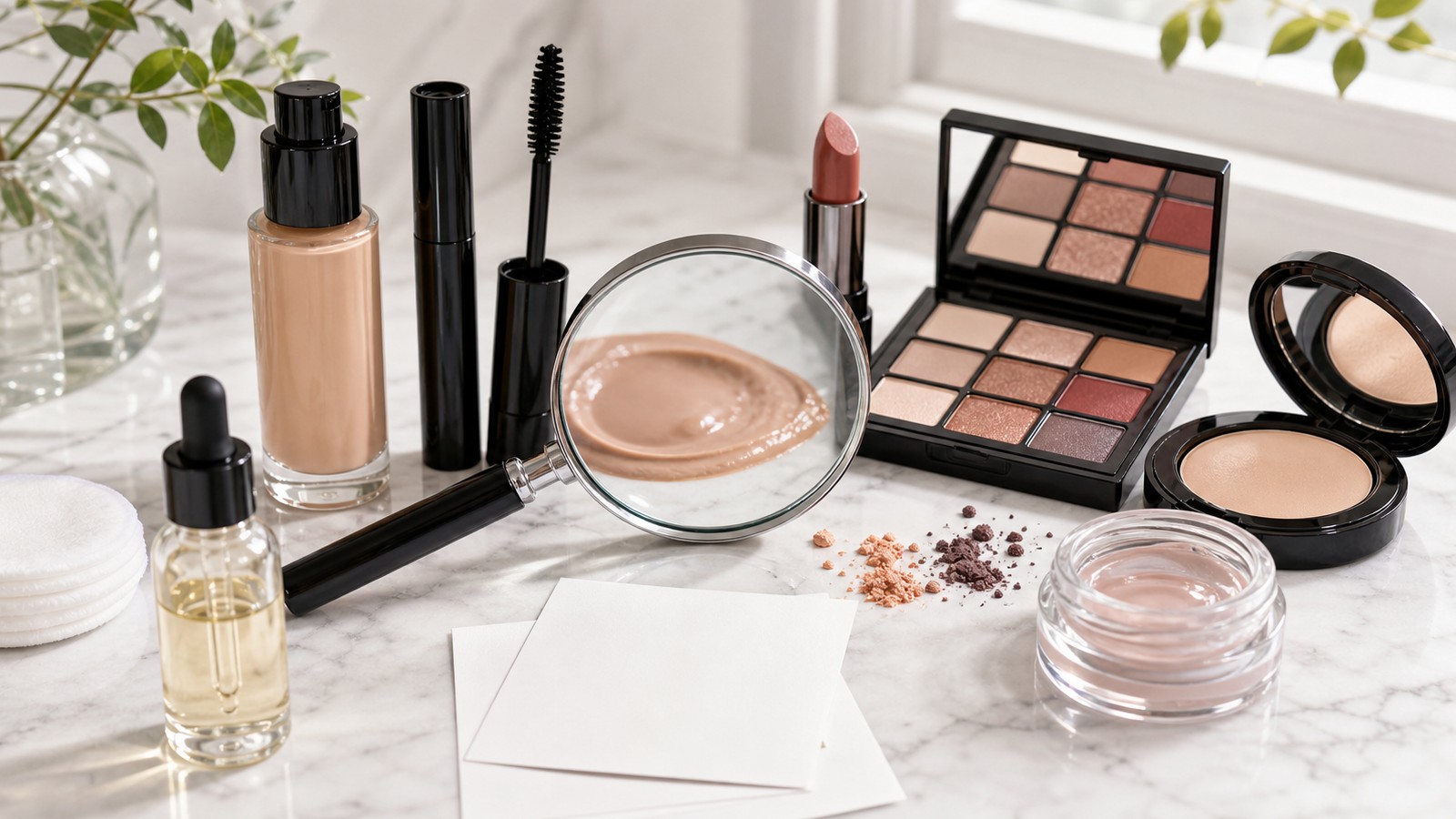
As clean makeup has gained popularity, it has also become a powerful marketing tool. Some brands adopt the language of clean beauty without meaningful formulation changes, a practice often referred to as “cleanwashing.” This makes it essential for consumers to read ingredient lists and understand what a brand’s clean standards actually include.
Reputable clean makeup brands typically publish their “no-list,” outlining which ingredients they exclude and why. This level of specificity helps distinguish genuine clean formulations from vague claims designed primarily to attract trend-focused shoppers.
The Psychological Appeal of Clean Makeup
Beyond physical skin benefits, clean makeup offers psychological reassurance. Knowing that a product aligns with personal values around health and safety can enhance the overall beauty experience. This sense of control and mindfulness may contribute to greater confidence and satisfaction with one’s routine.
Beauty rituals are deeply personal, and clean makeup often appeals to those seeking simplicity and intention in their daily lives. For many users, the emotional comfort of using thoughtfully formulated products is just as important as visible results.
Is Clean Makeup Right for Everyone?
Clean makeup is not inherently better or worse than traditional cosmetics; its value depends on individual needs, preferences, and skin concerns. Some people experience noticeable improvements in comfort and skin clarity after switching, while others see little difference. What matters most is how a product performs on your skin and fits into your overall routine.
Dermatologists generally emphasize that consistency, proper skincare, and sun protection play a far greater role in skin health than makeup alone. Clean makeup can complement a healthy regimen, but it should not replace evidence-based skincare practices.
How to Choose Clean Makeup Wisely
Choosing clean makeup wisely involves more than trusting labels. Understanding your skin type, reading ingredient lists, and paying attention to how your skin responds over time are essential steps. A product marketed as clean should still meet your performance expectations and feel comfortable throughout wear.
Sampling products, starting with a few core items, and gradually transitioning can help you evaluate whether clean makeup aligns with your needs. This thoughtful approach reduces waste and ensures that any changes you make truly benefit your skin.
The Future of Clean Makeup
The future of clean makeup lies in continued innovation, clearer standards, and greater collaboration between cosmetic chemists, dermatologists, and consumers. As research evolves, the definition of clean will likely become more refined, moving beyond fear-based exclusions toward evidence-driven formulation.
Advancements in green chemistry and biotechnology are already expanding the possibilities for high-performance, skin-friendly ingredients. As the industry matures, clean makeup is poised to become less of a trend and more of an integrated philosophy within beauty as a whole.
Final Thoughts: What Clean Makeup Really Means for Your Skin
Clean makeup is best understood as a mindset rather than a rigid category. It represents a shift toward transparency, intentional formulation, and respect for skin health. While it does not guarantee flawless skin or eliminate all concerns, it offers an alternative approach for those seeking mindful beauty choices.
Ultimately, what clean makeup means for your skin depends on how well it aligns with your unique needs. When chosen thoughtfully, clean makeup can support comfort, confidence, and a more informed relationship with the products you use every day.