Plant-Based Skincare Helps Sensitive Skin When the Formula Is Calm, Not Just Botanical
Plant-based skincare can be a beautiful match for sensitive skin, but not because every plant is automatically gentle. Sensitive skin needs formulas that reduce unnecessary irritation, support the barrier, and avoid turning fragrance or trend ingredients into daily stress. The plant-based products that work best usually rely on bland, comforting botanicals such as oat, aloe, centella, calendula, jojoba, shea, squalane from plant sources, or carefully chosen plant oils. The problem is not synthetic versus plant. The problem is whether the formula respects reactive skin. Plant-based skincare earns its place when it is quiet, purposeful, and designed around comfort.
A: No. It works best when the formula is fragrance-aware, barrier-supportive, and simple.
A: There is no universal safest plant, but oat, aloe, jojoba, and centella are common comfort-focused choices.
A: Sensitive facial skin often does better without them, especially in daily leave-on products.
A: Some can feel heavy for acne-prone skin, so texture and oil choice matter.
A: Yes, water-based formulas need proper preservation to stay safe and stable.
A: Usually not for sensitive skin, because more extracts can mean more reaction opportunities.
A: Patch test slowly while keeping the rest of your routine simple.
A: Stop using it and judge the reaction instead of trusting the label language.
A: Yes. Sensitive skin can benefit from well-chosen synthetic ingredients in a calm formula.
A: Choose plant-based skincare for comfort and barrier support, not for botanical drama.
Sensitive Skin Needs Fewer Irritation Opportunities
Sensitive skin often reacts because the barrier is easily disrupted or because nerve endings respond strongly to ingredients, temperature, friction, or pH changes. A helpful plant-based formula reduces the number of ways a product can bother the skin. It does not need ten extracts, a strong scent, a tingling active, and a dramatic texture all in one jar.
The best plant-based sensitive-skin products are usually less theatrical. They may use colloidal oat for comfort, aloe for a soothing feel, plant oils for softness, or centella for a calmer-looking routine. The ingredient story is specific rather than crowded.
This is why a sensitive-skin routine often improves when the product lineup becomes less exciting. A calm cleanser, one comfortable moisturizer, sunscreen, and a carefully chosen treatment can outperform a shelf full of botanical options. The skin is not bored by simplicity; it is often relieved by it.
Plant-based products can support that simplicity when they use familiar, low-drama ingredients. A plain cream with oat and a plant-derived emollient may look modest next to a serum with rare extracts, but sensitive skin often cares more about repeat comfort than novelty.
Barrier Support Is the Real Reason It Can Work
Sensitive skin is often happiest when the barrier is protected. Plant-based emollients can help by softening roughness and reducing the feeling of tightness. Oils such as jojoba, sunflower, and squalane can be useful in formulas that balance slip, moisture retention, and a comfortable finish. Butters can help dry skin when they are used in textures that do not smother or clog.
The benefit is not that plants are magical. It is that some plant-derived ingredients are excellent at supporting the surface of the skin. When paired with humectants, gentle emulsifiers, and proper preservation, they can create a formula that feels comforting instead of active in the wrong way.
A sensitive-skin moisturizer does not have to announce itself with a tingle. In fact, lack of drama is often the point. If the skin feels less tight, less hot, and less reactive after repeated use, the formula is doing meaningful work.
The barrier-first view also helps shoppers avoid overbuying. Sensitive skin rarely needs every calming plant in the same product. It needs enough support to reduce dryness, friction, and reactivity without adding ingredients that compete for attention.
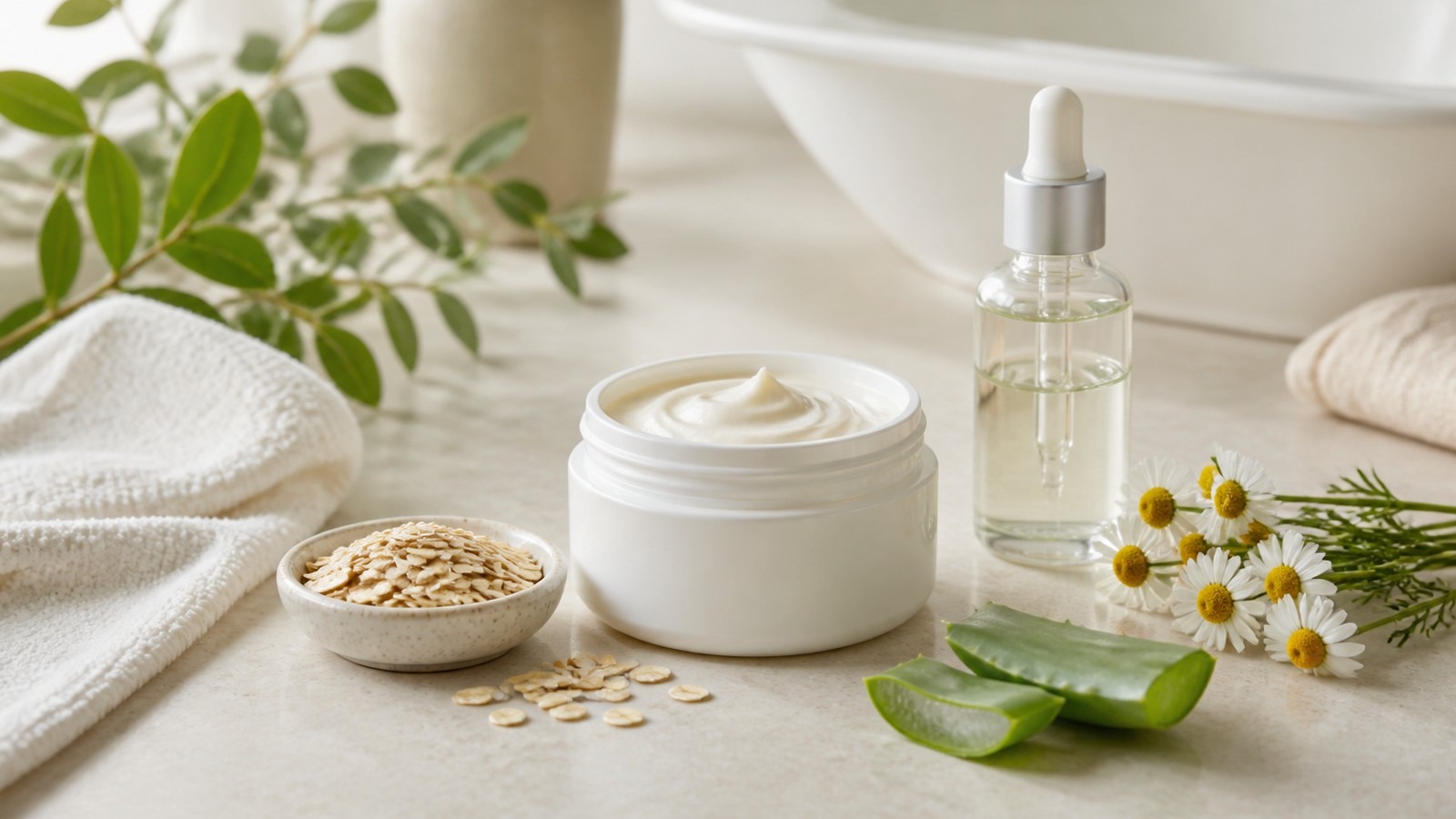
A plant-based cream that combines oat, glycerin, and a comfortable emollient base may do more for sensitive skin than a serum filled with rare extracts. The ordinary ingredients can be the helpful ones.
Barrier support also changes how quickly results should be judged. A calming moisturizer may not create a dramatic overnight transformation, but it can make the skin feel steadier over repeated use. Sensitive skin often improves through fewer flare cycles rather than one spectacular mirror moment.
The Best Botanicals Have Clear Jobs
Plant-based skincare becomes risky when botanicals are included as decoration. A long list of extracts can sound luxurious while increasing the chance that sensitive skin meets something it dislikes. Better formulas choose fewer botanicals and give them clear roles.
Oat belongs in sensitive-skin conversations because it is associated with comfort and barrier support. Aloe can provide a light soothing feel in water-based products. Centella is often chosen for calming routines. Calendula may suit some dry or reactive skin types. Jojoba oil can mimic a familiar skin-feel better than some heavier oils.
The specific choice matters more than the botanical count. A product with three well-chosen plant ingredients may be better for sensitive skin than a product with twenty impressive extracts.
Purpose also helps with troubleshooting. If a product includes oat for comfort and your skin likes it, that is useful information. If a product includes twelve botanicals and your skin flushes, you may not know which part caused trouble. Fewer purposeful plants make the routine easier to understand.
Fragrance Is Where Plant-Based Products Often Go Wrong
Many plant-based products lean on essential oils, aromatic extracts, citrus oils, lavender, peppermint, eucalyptus, or fragrance blends to create a natural sensory experience. That can be enjoyable for some people, but sensitive skin may interpret those aromatic compounds as irritation. A product can be plant-based and still be a poor match for reactive skin.
This is why fragrance-free plant-based skincare is often more useful than strongly scented natural skincare. The absence of scent may feel less spa-like, but it removes a common trigger. Sensitive skin does not owe anyone a romantic product experience.
Brands sometimes hide fragrance behind softer words such as botanical aroma or natural scent. Shoppers with sensitive skin should read the ingredient list carefully and treat aromatic plants as active parts of the formula, not harmless atmosphere.
There is room for personal tolerance. Some people can use scented body products without issue while needing fragrance-free facial care. The key is placement and frequency. Daily leave-on products deserve the strictest standard.
Packaging language can make this harder. A product may avoid the word fragrance while listing aromatic essential oils that create the scent. For sensitive skin, the nose is not the issue; the skin’s response is. If the product smells strongly botanical, treat that scent as an ingredient decision.
Plant-Based Does Not Mean Preservative-Free
Water-based skincare needs preservation. A plant-based toner, lotion, gel, or cream can grow microbes if it is not protected properly. Sensitive skin is not helped by formulas that spoil quickly or rely on vague freshness claims. Responsible preservation is part of skin kindness.
Some consumers worry that preservatives make a product less natural or less clean. For sensitive skin, the opposite can be true. A well-preserved formula is safer and more predictable than a fragile product that changes smell, color, or texture after opening.
The most reassuring plant-based brands explain shelf life, storage, packaging, and preservation choices. They do not ask shoppers to trade safety for botanical purity.
Packaging supports preservation too. A pump or tube can reduce repeated finger contact, while opaque packaging can protect delicate oils or extracts from light. Sensitive skin benefits from products that stay consistent from first use to last use.
Patch Testing Matters More With Reactive Skin
Even a beautifully designed plant-based formula can bother one person’s skin. Sensitive skin histories are specific. Someone may tolerate oat but react to aloe. Another may love jojoba but dislike shea. A third may handle a botanical serum in winter but react when using exfoliants or retinoids at the same time.
Patch testing gives the skin a quieter introduction. Try the product on a small area, wait, then expand slowly if the skin stays calm. This is especially important for leave-on products, eye-area products, and anything with multiple botanicals.
The goal is not fear. It is pacing. Sensitive skin often does better when new formulas are introduced one at a time rather than stacked in a full routine reset.
A plant-based product that works well should make the rest of the routine easier. If it creates stinging, flushing, or itching, the label category does not matter. The skin has already voted.
Keep notes when testing. The trigger may be a specific extract, scent, oil texture, or combination with another product. Those details help future shopping more than a broad decision to avoid all plant-based skincare.
If a patch test succeeds, introduce the product in the part of the routine where it belongs. A moisturizer should be tested under sunscreen if you plan to wear it by day. A night cream should be judged the next morning for redness, itching, and comfort, not only by how soft it feels at bedtime.
Do not test during a flare if you can avoid it. When the barrier is already angry, almost anything can sting. Waiting for a calmer baseline gives the product a fairer trial and gives you better information.
Choose Textures by Sensitive-Skin Pattern
Sensitive skin is not one skin type. Some sensitive skin is dry and rough. Some is oily but reactive. Some flushes easily. Some stings around the eyes and mouth. Plant-based skincare works better when the texture matches the pattern.
Dry sensitive skin may like richer creams with plant oils and butters. Oily sensitive skin may prefer light gels or lotions with soothing extracts and non-heavy emollients. Redness-prone skin may need fragrance-free calming formulas that avoid heat, scrubbing, and aggressive actives.
Do not force a heavy balm onto every sensitive face because the ingredients sound wholesome. Comfort depends on finish, climate, season, and routine. The right plant-based formula should feel like relief, not a layer you are tolerating.
Season matters too. A plant-based balm that feels wonderful in winter may feel heavy in humid weather, while a light aloe lotion may not be enough during a dry, heated season. Sensitive skin often needs texture adjustments before it needs a completely new philosophy.
Makeup wear is another practical test. If a plant-based moisturizer pills under foundation or makes sunscreen slide, it may not be wrong for the skin, but it may be wrong for that time of day. Sensitive-skin success includes comfort, compatibility, and routine timing together.
If your skin changes with stress, weather, or treatments, keep the plant-based product that gives you the most options. A light lotion can sit under a richer cream, while a heavy balm may be best reserved for dry patches. Flexible textures make sensitive-skin routines easier to adjust without starting over.
Gloss Street’s Take
Plant-based skincare can work beautifully for sensitive skin when it is built around barrier support, fragrance awareness, careful preservation, and a short list of purposeful botanicals. The plant story should serve the skin, not the other way around.
The best sensitive-skin routine is calm enough to repeat. If plant-based products help your skin feel steady, comfortable, and less reactive, they are doing the job. If they smell like a garden and leave your face hot, they are just marketing in softer lighting.
The phrase plant-based should make shoppers curious, not automatic. Ask which plants, why they are there, how the formula is preserved, whether it is scented, and whether the texture matches your skin’s pattern. Those questions turn a vague botanical promise into a practical sensitive-skin choice.
For sensitive skin, the winning plant-based product may be the one that almost disappears into the routine. It cleanses without squeak, moisturizes without heat, and calms without a perfume cloud. That quiet reliability is more valuable than a dramatic botanical story.
Sensitive skin rewards that kind of patience. The calmer the formula feels over time, the more persuasive the plant-based choice becomes.