A New Era of Conscious Beauty
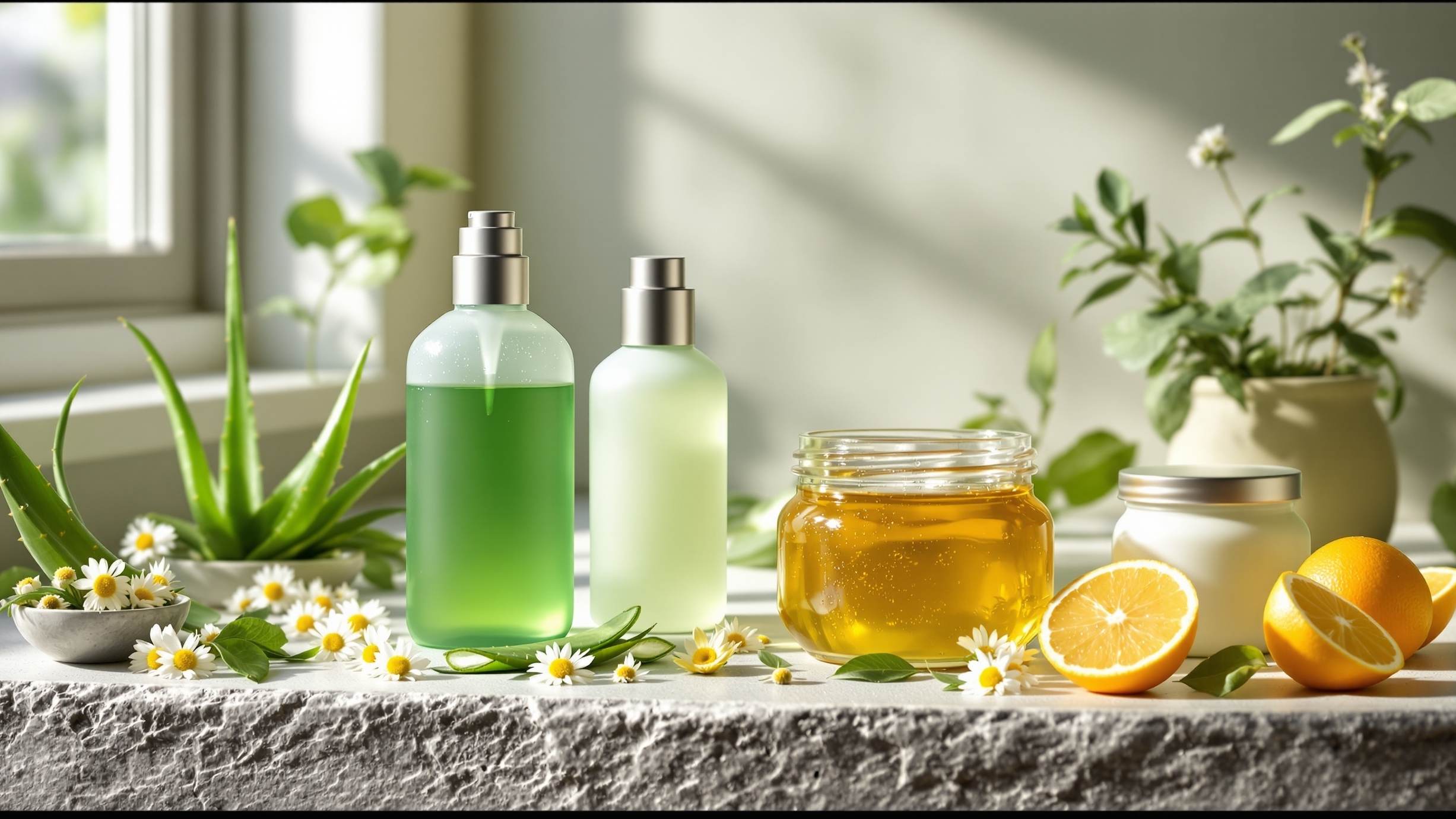
Over the last decade, the beauty industry has undergone a profound transformation. Consumers are no longer satisfied with products that simply promise flawless skin; they want transparency, sustainability, and ingredients they recognize. This shift has fueled the remarkable rise of organic beauty, a movement rooted in plant-powered skincare and a deeper understanding of what we put on our bodies. Organic beauty is not just a passing trend. It represents a broader cultural shift toward wellness, environmental responsibility, and ingredient awareness. Shoppers today read labels more carefully than ever before, often researching unfamiliar components before purchasing a product. As a result, botanical extracts, plant oils, and natural actives have become central to modern skincare formulations. Plant-powered skincare offers more than marketing appeal. Many botanical ingredients contain vitamins, antioxidants, essential fatty acids, and phytonutrients that support healthy skin function. These naturally derived compounds help nourish the skin while avoiding many synthetic additives that consumers increasingly want to avoid. From soothing aloe vera to antioxidant-rich green tea and hydrating jojoba oil, nature provides a diverse toolkit for skincare innovation. The rise of organic beauty reflects a fundamental change in how people view self-care. Instead of relying solely on laboratory-designed formulas, many consumers are rediscovering the power of nature. This growing appreciation for plant-based ingredients is reshaping the beauty landscape and pushing brands to rethink how skincare products are formulated, marketed, and produced.
A: Hydration, exfoliation, and a strong skin barrier.
A: No. Glow is balanced hydration, not excess oil.
A: Yes. Regular exfoliation and brightening ingredients help restore luminosity.
A: Not necessarily—healthy skin often glows naturally.
A: Vitamin C, niacinamide, and gentle exfoliating acids.
A: Absolutely. Nutrient-rich foods help support healthy skin.
A: Dehydration, lack of sleep, and buildup of dead skin cells.
A: Yes—light facial oils can enhance radiance.
A: It protects skin from damage that causes dullness.
A: Makeup helps, but true radiance begins with healthy skin.
Understanding What “Organic Beauty” Really Means
Despite its growing popularity, the term “organic beauty” can be confusing. In the strictest sense, organic skincare refers to products formulated with ingredients grown without synthetic pesticides, herbicides, or genetically modified organisms. These ingredients are typically certified through regulatory programs that verify their agricultural practices and sourcing. However, the beauty industry does not always follow a single universal standard for the term. Some products labeled as natural or organic may only contain a small percentage of plant-derived ingredients. Because of this, consumers often look for certification seals such as USDA Organic, COSMOS Organic, or ECOCERT to confirm the authenticity of a product’s organic claims.
True organic skincare prioritizes responsibly grown botanical ingredients and avoids many controversial additives, including certain parabens, sulfates, artificial fragrances, and petroleum-derived compounds. Instead, plant oils, herbal extracts, natural emulsifiers, and mineral-based preservatives often form the backbone of these formulas.
What distinguishes organic beauty from conventional skincare is not simply the presence of plant ingredients but the philosophy behind them. Organic brands typically emphasize sustainability, ethical sourcing, and environmentally friendly production methods. These companies often partner with organic farms, invest in renewable packaging materials, and support fair-trade supply chains. This commitment to both skin health and environmental responsibility has made organic beauty especially appealing to consumers who want their personal care routines to align with their broader lifestyle values.
The Science Behind Plant-Powered Skincare
While organic beauty is often associated with nature and tradition, modern plant-powered skincare is deeply rooted in science. Botanical ingredients contain complex biochemical compounds that interact with the skin in powerful ways. Plants naturally produce antioxidants to protect themselves from environmental stressors such as sunlight and pollution. These same compounds can provide significant benefits when applied to the skin. Ingredients like vitamin C from citrus extracts, polyphenols from green tea, and resveratrol from grapes help neutralize free radicals that contribute to premature aging.
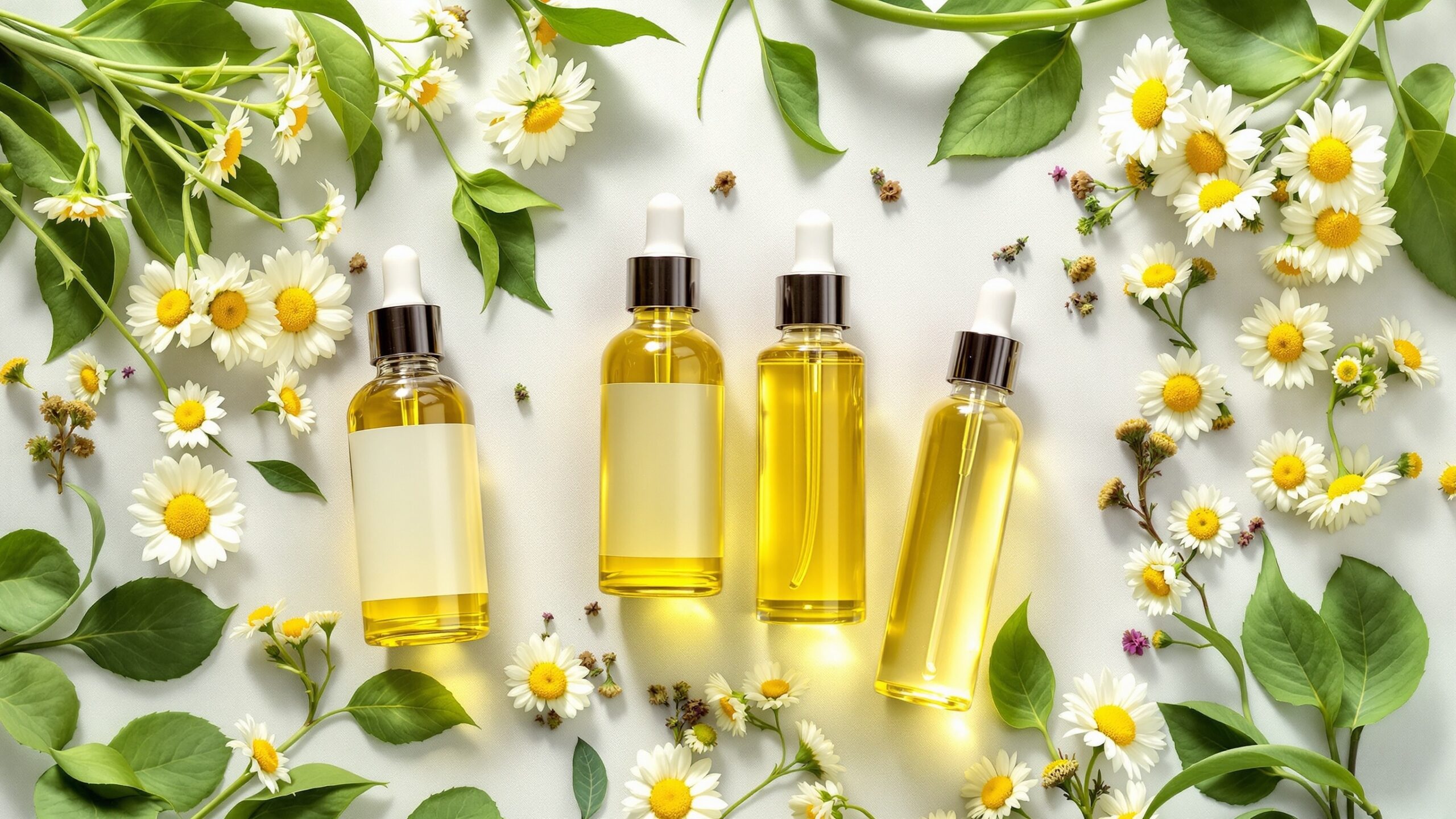
Plant oils are another cornerstone of organic skincare. Oils such as rosehip, argan, and jojoba closely mimic the skin’s natural lipid structure, making them highly compatible with the skin barrier. These oils deliver essential fatty acids that help maintain hydration, improve elasticity, and support overall skin resilience.
Herbal extracts also offer targeted skincare benefits. Chamomile and calendula are known for their soothing properties, making them ideal for sensitive skin. Tea tree oil provides antimicrobial support for blemish-prone complexions, while licorice root extract helps brighten uneven skin tone. Modern extraction technologies have further enhanced the effectiveness of plant-based ingredients. Techniques such as cold pressing, CO₂ extraction, and fermentation allow skincare brands to preserve delicate botanical compounds while maximizing their potency. As a result, today’s organic skincare formulas often combine traditional herbal knowledge with advanced cosmetic science.
The Clean Beauty Movement and Consumer Awareness
The rise of organic beauty is closely linked to the broader clean beauty movement. Consumers have become increasingly aware of ingredient lists and the potential effects of synthetic chemicals. Social media, skincare influencers, and wellness communities have played a major role in educating shoppers about product formulations. Many people are now asking questions that were once reserved for industry professionals. What does this ingredient do? Is it derived from petroleum? Is it safe for sensitive skin? Is it environmentally sustainable?
These questions have pushed beauty brands to become more transparent about their formulations. Labels are increasingly highlighting plant-derived ingredients, eco-friendly sourcing, and cruelty-free certifications. Companies that embrace transparency and sustainability often gain stronger consumer trust and loyalty.
Organic beauty also aligns closely with broader wellness trends. Many consumers now view skincare as an extension of holistic health. Just as people choose organic foods to nourish their bodies, they are choosing organic skincare products to care for their skin. This shift in mindset has helped organic beauty transition from a niche market into a mainstream force within the global cosmetics industry.
Sustainability and the Environmental Impact of Skincare
Environmental awareness is another major factor driving the growth of plant-powered skincare. Conventional cosmetic production often relies on petrochemicals, synthetic preservatives, and manufacturing processes that contribute to environmental pollution.
Organic beauty brands frequently adopt more sustainable approaches. These companies often prioritize biodegradable ingredients, recyclable packaging, and responsible sourcing practices. Many work directly with small-scale farmers who cultivate organic crops using environmentally friendly methods.
Plant-powered skincare also encourages biodiversity. Organic farming methods help maintain soil health, protect pollinators, and reduce chemical runoff into water systems. By supporting organic agriculture, beauty brands can contribute to a healthier ecosystem.
Packaging innovation has become another key focus within the organic beauty industry. Brands are experimenting with refillable containers, glass packaging, compostable materials, and reduced plastic designs. Some companies even offer return programs that allow customers to recycle empty containers.
Consumers are increasingly drawn to brands that demonstrate environmental responsibility. For many shoppers, choosing organic skincare is not just about improving their complexion but also about supporting companies that align with their environmental values.
The Influence of Ancient Botanical Traditions
While organic beauty feels modern, its roots extend deep into human history. For thousands of years, cultures around the world have relied on plants for skincare and healing.
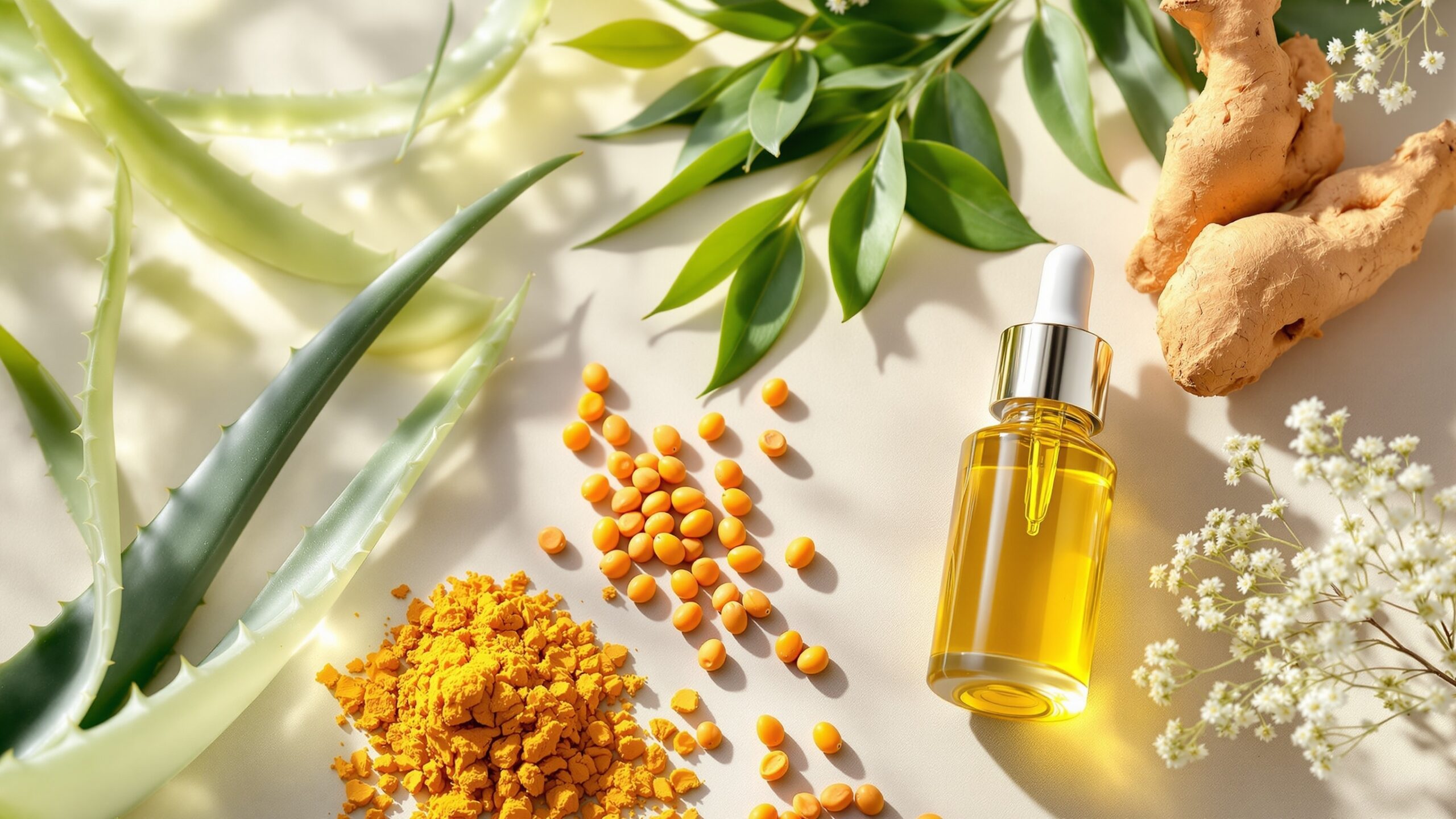
Ancient Egyptians used aloe vera, frankincense, and myrrh in their beauty rituals. In traditional Chinese medicine, herbs like ginseng and green tea were prized for their rejuvenating properties. Ayurveda, the ancient healing system of India, emphasized plant oils, turmeric, neem, and sandalwood for maintaining balanced skin.
These traditional practices are now inspiring modern skincare innovations. Many organic beauty brands draw directly from these historical traditions while combining them with contemporary scientific research.
For example, turmeric has become a popular ingredient in brightening masks and serums due to its anti-inflammatory properties. Ginseng extracts appear in revitalizing skincare formulas, while rose water remains a beloved toner for its hydrating and soothing effects. By bridging ancient botanical wisdom with modern cosmetic science, organic beauty has created a unique blend of tradition and innovation.
The Market Boom of Organic Beauty Products
The global organic beauty market has experienced remarkable growth in recent years. Analysts estimate that the natural and organic personal care sector will continue expanding as consumers demand cleaner and more sustainable products. Major retailers have responded by dedicating more shelf space to organic skincare brands. Online marketplaces have also made it easier for smaller independent brands to reach global audiences.
Large cosmetic companies are taking notice as well. Many established beauty corporations are launching organic product lines or acquiring smaller natural beauty brands to remain competitive.
This surge in demand has sparked a wave of innovation. New plant-based ingredients are being researched and incorporated into skincare products. Brands are experimenting with botanical fermentations, adaptogenic herbs, and nutrient-rich plant oils to create highly effective formulas. The organic beauty market is no longer limited to niche health stores. It now spans luxury skincare boutiques, mainstream retail chains, and online subscription services.
Challenges and Misconceptions in Organic Skincare
Despite its popularity, organic beauty still faces several challenges. One of the most significant issues is greenwashing, a marketing practice in which companies label products as natural or organic without meeting meaningful standards. Because cosmetic regulations vary by country, the terms “natural” and “organic” are not always strictly defined. This can lead to consumer confusion and skepticism.
Another misconception is that organic skincare is automatically safer or more effective than conventional products. While plant-based ingredients offer many benefits, they must still be carefully formulated to ensure stability and effectiveness.
Some natural ingredients can cause irritation if used improperly, and certain plant extracts may degrade quickly without appropriate preservation methods. This is why responsible organic brands invest heavily in research, testing, and formulation expertise. Consumers can navigate these challenges by learning to read ingredient labels, seeking reputable certifications, and choosing brands with transparent sourcing practices.
The Future of Plant-Powered Beauty
Looking ahead, the organic beauty movement shows no signs of slowing down. Advances in botanical science are unlocking new possibilities for plant-based skincare. Researchers are discovering novel compounds in plants that may help support skin regeneration, hydration, and protection. Biotechnology is also playing a growing role in sustainable ingredient production. Some companies are using fermentation techniques to replicate rare botanical compounds without harvesting endangered plants.
Personalized skincare is another emerging frontier. With advances in skin analysis technology, brands may soon create custom formulations that combine specific botanical extracts tailored to an individual’s skin needs. As sustainability becomes a central priority across industries, plant-powered skincare is likely to continue evolving alongside broader environmental and wellness trends.
Embracing a More Natural Approach to Beauty
The rise of organic beauty reflects a deeper cultural shift toward mindful consumption and holistic wellness. Consumers are increasingly seeking products that align with their values, prioritize skin health, and respect the planet. Plant-powered skincare offers a compelling answer to these demands. By harnessing the natural benefits of botanical ingredients while embracing modern scientific innovation, organic beauty represents a new chapter in the evolution of skincare.
For many people, choosing organic skincare is about more than achieving glowing skin. It is about building a beauty routine rooted in transparency, sustainability, and a renewed appreciation for the power of nature. As this movement continues to grow, plant-based ingredients will likely remain at the forefront of skincare innovation. The future of beauty may very well be green, vibrant, and deeply connected to the natural world.