The Rise of Organic Beauty in Modern Skincare
In recent years, the beauty industry has undergone a powerful transformation. Consumers are paying closer attention to ingredient labels, questioning long lists of unfamiliar chemicals, and searching for products that align with healthier lifestyles. Out of this shift has emerged a rapidly growing category known as organic or plant-based beauty. From moisturizers infused with botanical oils to serums powered by fruit extracts, the shelves of beauty stores are increasingly filled with products inspired by nature. But while the term “plant-based” sounds simple and reassuring, it often raises an important question: what does it actually mean for your skin? Is plant-based skincare automatically better, safer, or more effective than conventional formulas? The answer is more nuanced than marketing slogans suggest. Plant-based beauty represents a philosophy that focuses on ingredients derived from natural botanical sources—flowers, seeds, roots, leaves, fruits, and herbs. These ingredients are carefully extracted and incorporated into skincare products to deliver vitamins, antioxidants, fatty acids, and soothing compounds that support the skin’s natural balance. For many consumers, plant-based beauty is appealing because it feels closer to nature and less reliant on synthetic chemicals. At the same time, understanding organic and plant-derived skincare requires looking beyond the label. Not every product labeled “natural” or “plant-based” meets the same standards. Learning what these terms really mean—and how they affect your skin—helps you make informed choices in a beauty market filled with promises.
A: Balanced hydration and smooth texture reflect light softly rather than appearing oily.
A: Yes—focus on hydration and lightweight glow products rather than heavy oils.
A: Usually 1–3 times per week depending on your skin type.
A: Absolutely—foods rich in antioxidants and healthy fats support radiant skin.
A: Makeup helps, but healthy skin underneath makes the biggest difference.
A: Many oils are non-comedogenic and safe when used correctly.
A: No—true glow looks hydrated and luminous, not greasy.
A: Modern SPF formulas are designed to enhance radiance.
A: Vitamin C is widely recognized for quick brightening effects.
A: Yes—stress hormones can increase inflammation and reduce natural glow.
Understanding the Meaning of “Plant-Based” in Skincare
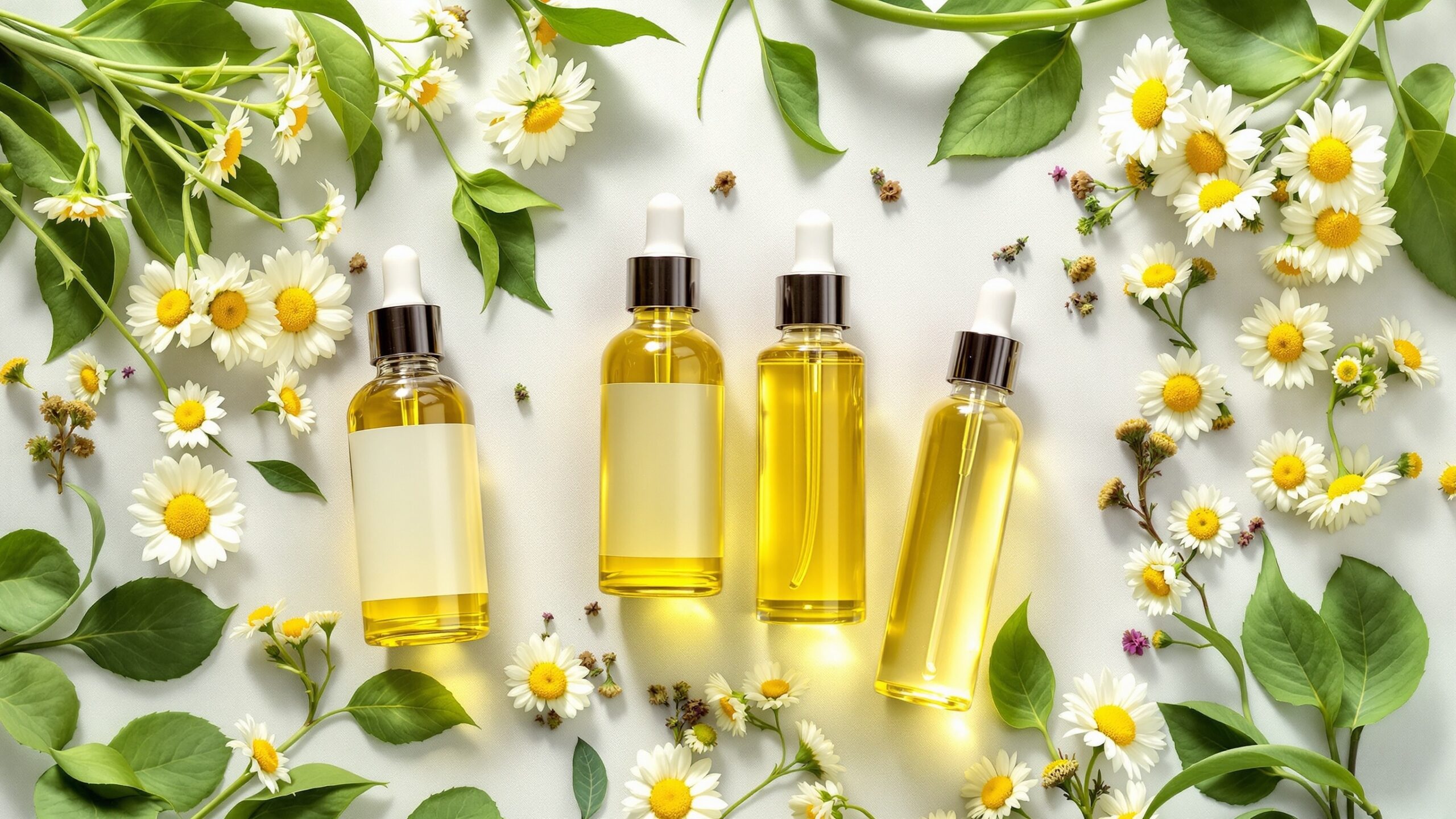
The phrase “plant-based” typically refers to skincare formulas that use ingredients sourced primarily from plants rather than animals or synthetic chemicals. These ingredients may include botanical oils like jojoba or argan oil, extracts from herbs such as chamomile or green tea, and nutrient-rich components derived from fruits, seeds, or algae.
Plant-based ingredients often contain naturally occurring compounds that support skin health. Many botanical ingredients provide antioxidants that help defend the skin against environmental stressors like pollution and UV damage. Others deliver essential fatty acids that strengthen the skin barrier and maintain hydration.
However, the term itself is not always strictly regulated in the cosmetics industry. A product described as plant-based might contain a mixture of botanical extracts alongside synthetic stabilizers or preservatives. This does not necessarily make the product ineffective or unsafe, but it means the label alone does not guarantee purity or organic sourcing.
True plant-focused skincare tends to prioritize ingredients that originate from renewable botanical sources while minimizing unnecessary synthetic additives. Brands that emphasize plant-based formulations often highlight the origin of their ingredients, the extraction methods used, and the sustainability of the farming practices behind them.
For consumers, understanding the meaning of plant-based skincare involves recognizing that it represents a spectrum rather than a single standard. Some formulas may contain mostly botanical ingredients, while others incorporate only a few plant extracts into otherwise conventional formulas.
Organic vs. Natural vs. Plant-Derived
One of the most common sources of confusion in the beauty world comes from the overlap between the terms organic, natural, and plant-derived. While these labels often appear together on product packaging, they do not always mean the same thing.
Organic skincare generally refers to ingredients grown without synthetic pesticides, herbicides, or genetically modified organisms. Certified organic ingredients typically come from farms that follow strict agricultural standards designed to protect soil health, biodiversity, and environmental sustainability.
Natural skincare is a broader category that simply indicates ingredients come from nature rather than being fully synthetic. Natural ingredients may still be processed, refined, or combined with other substances during formulation.
Plant-derived ingredients are compounds that originate from botanical sources but may undergo significant transformation during manufacturing. For example, certain emulsifiers or surfactants used in skincare may begin as plant oils before being chemically altered to improve stability or texture.
Understanding these distinctions helps clarify what you are actually applying to your skin. Organic ingredients emphasize agricultural purity. Natural ingredients emphasize origin. Plant-derived ingredients emphasize botanical starting materials but may still involve modern cosmetic chemistry.
Each category plays a role in skincare innovation, and many effective products combine plant ingredients with carefully chosen synthetic components to achieve stability and performance.
Why Plant-Based Ingredients Appeal to the Skin
Human skin is remarkably responsive to many compounds found in plants. Over thousands of years, plants have evolved protective mechanisms against environmental stressors such as UV radiation, dryness, and pollution. These same protective compounds often provide valuable benefits when applied to the skin.
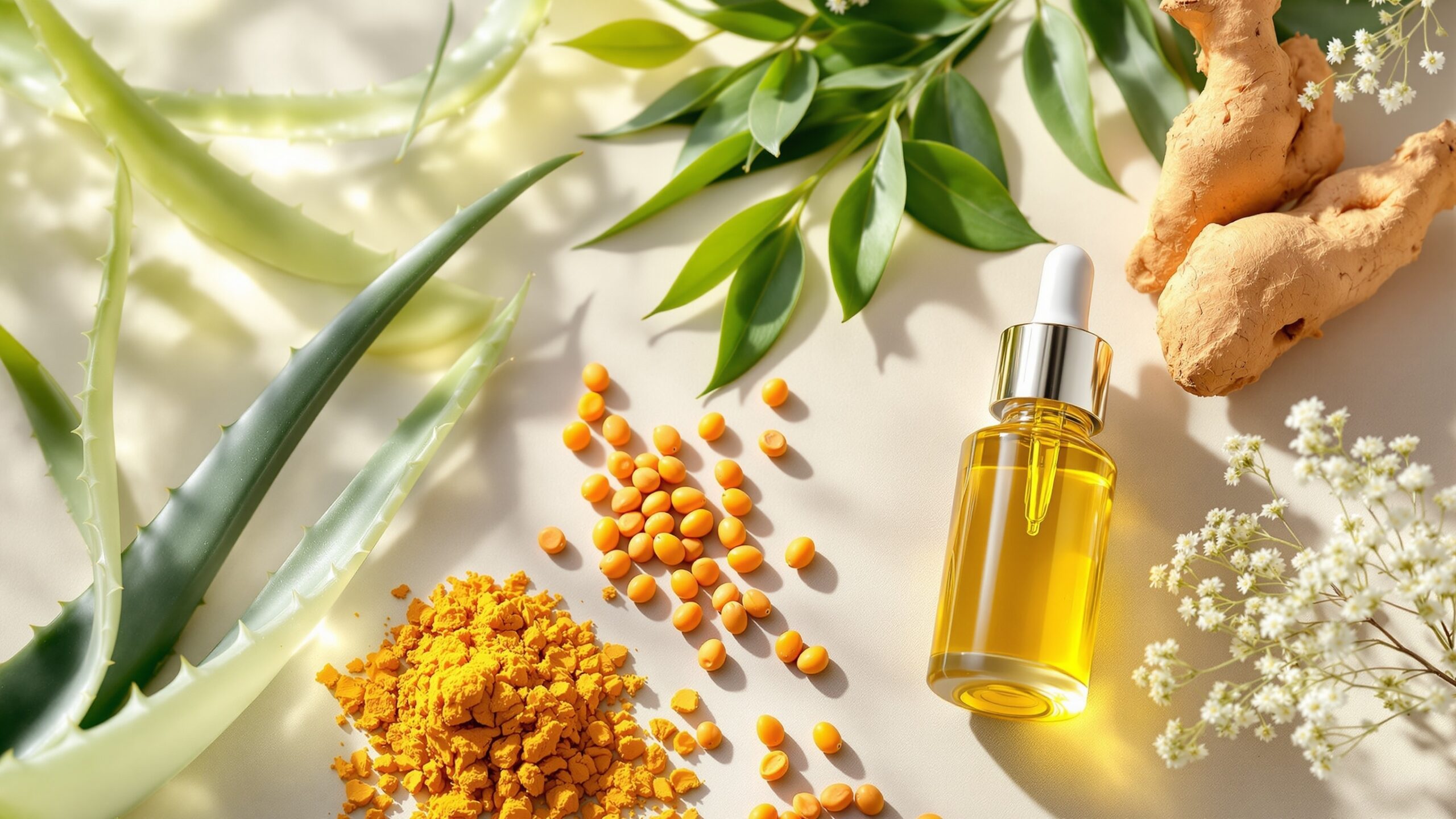
Botanical ingredients frequently contain vitamins, antioxidants, and anti-inflammatory compounds that support the skin’s natural repair processes. Vitamin C from citrus fruits and berries can brighten the complexion and help improve skin tone. Polyphenols from green tea and grape seeds provide antioxidant protection against oxidative stress. Fatty acids from oils like avocado, rosehip, and argan help reinforce the skin barrier and reduce moisture loss.
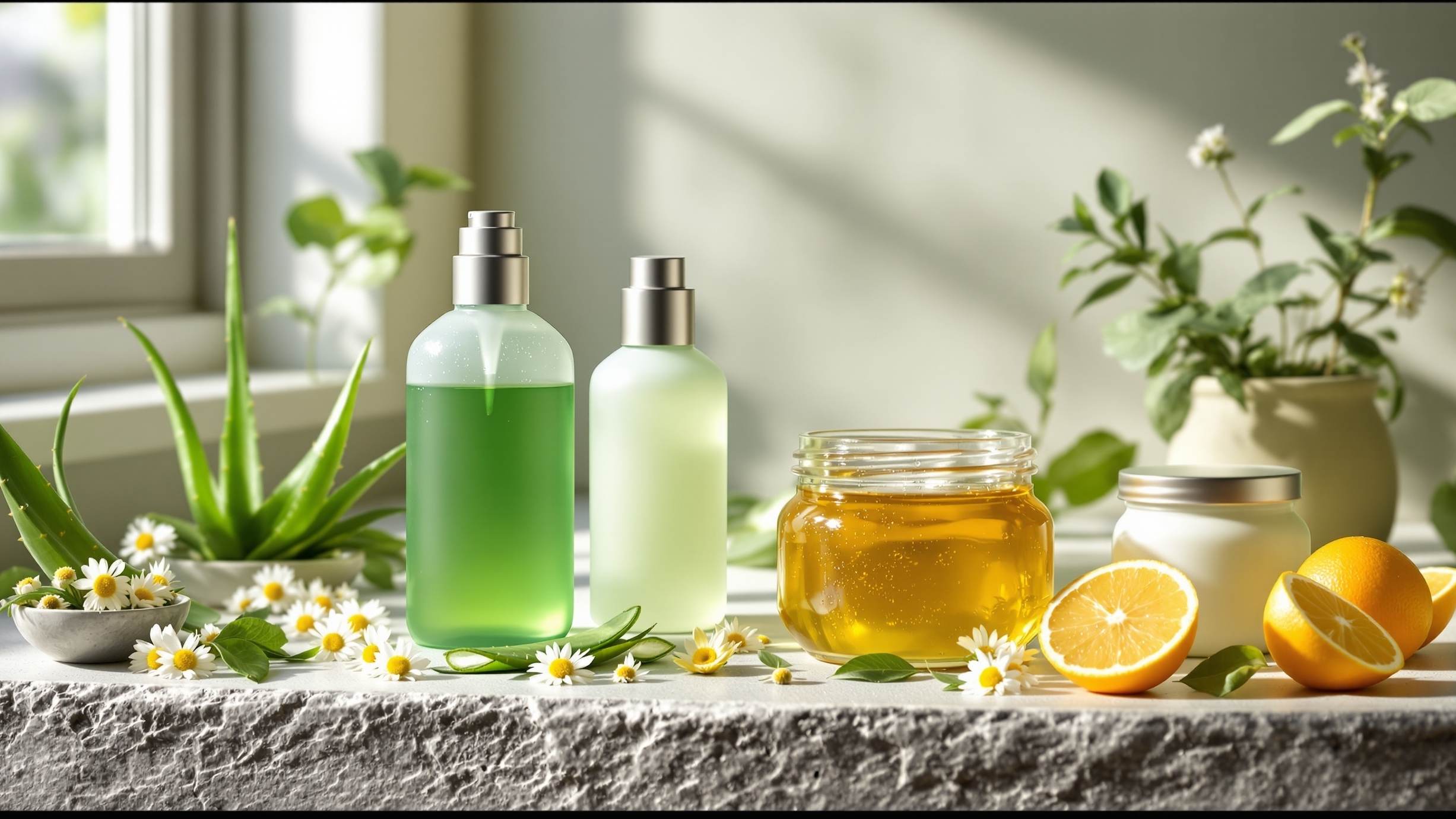
Many plant-derived extracts also contain soothing compounds that calm irritation and redness. Aloe vera, calendula, chamomile, and oat extracts have long been used in skincare to comfort sensitive or reactive skin.
Because plant ingredients often contain complex combinations of beneficial molecules, they can deliver multiple skin benefits simultaneously. A single botanical oil may provide hydration, antioxidants, and anti-inflammatory properties all at once.
This multi-functional nature is one reason plant-based skincare continues to attract attention from both consumers and cosmetic scientists.
The Role of Botanical Oils in Modern Skincare
Among the most popular components of plant-based beauty products are botanical oils. Extracted from seeds, nuts, or fruits, these oils are rich in lipids that mimic the natural oils produced by human skin.
Jojoba oil, for example, closely resembles the structure of human sebum, making it an excellent moisturizer that absorbs easily without clogging pores. Argan oil contains high levels of vitamin E and essential fatty acids that help restore elasticity and improve skin softness. Rosehip oil is known for its concentration of vitamins A and C, which support skin renewal and radiance.
Botanical oils also serve an important functional role in skincare formulations. They help dissolve active ingredients, enhance product texture, and support the skin’s protective barrier.
However, not all oils are equally suited for every skin type. Rich oils like coconut or cocoa butter may feel nourishing for dry skin but can be too heavy for acne-prone complexions. Lightweight oils such as grapeseed or squalane tend to work better for oily or combination skin.
Understanding how different botanical oils interact with your skin type allows you to select products that maximize benefits while avoiding unwanted congestion.
The Science Behind Plant Extracts
While botanical oils receive much of the spotlight in organic beauty, plant extracts are equally important. These extracts are created by soaking plant materials in solvents such as water, glycerin, or alcohol to isolate beneficial compounds.
Plant extracts often contain powerful antioxidants that help defend skin cells from oxidative damage. Blueberry extract, for example, is packed with anthocyanins that support skin vitality. Licorice root extract contains compounds that help brighten the complexion and reduce the appearance of discoloration.
Advances in cosmetic science have also allowed researchers to identify specific molecules within plants that offer targeted skincare benefits. Peptides derived from plants may stimulate collagen production, while certain botanical sugars can enhance hydration and skin elasticity.
These scientific discoveries demonstrate that plant-based beauty is not simply a return to ancient herbal remedies. Instead, it represents a fusion of traditional botanical knowledge with modern dermatological research.
Sustainability and Ethical Beauty
One of the most compelling aspects of plant-based skincare is its connection to sustainability. Many consumers are drawn to botanical beauty because it aligns with environmentally responsible practices.
Plant ingredients can often be grown and harvested in renewable ways that support agricultural communities and reduce environmental impact. Ethical sourcing initiatives encourage farmers to cultivate plants without harmful pesticides while preserving biodiversity.
In addition, many plant-based beauty brands prioritize eco-friendly packaging, cruelty-free testing policies, and transparent supply chains. These commitments appeal to consumers who want their beauty choices to reflect broader environmental values.
However, sustainability is not automatic simply because an ingredient comes from nature. Some botanical ingredients require large amounts of water or land to produce. Responsible brands address these concerns by supporting sustainable farming methods and minimizing waste throughout the production process.
For shoppers seeking environmentally conscious skincare, looking for certifications and transparent sourcing practices can help identify brands that genuinely prioritize sustainability.
Debunking Common Myths About Organic Beauty
Despite its popularity, plant-based skincare is often surrounded by misconceptions. One common myth is that natural products are always safer than synthetic ones. While many botanical ingredients are gentle and beneficial, some plant extracts can still cause irritation or allergic reactions in sensitive individuals.
Another misconception is that organic beauty products are automatically more effective. In reality, effectiveness depends on the concentration of active ingredients and the quality of formulation. A well-designed product that combines botanical ingredients with safe synthetic components may outperform a purely natural formula that lacks stability or potency.
It is also important to recognize that synthetic ingredients are not inherently harmful. Many laboratory-created compounds are designed to mimic natural molecules while offering improved consistency and safety.
Understanding these nuances helps consumers approach organic beauty with realistic expectations. Plant-based skincare can be powerful and beneficial, but it works best when supported by thoughtful formulation and scientific research.
How to Choose the Right Plant-Based Products
Selecting the right plant-based skincare products involves more than simply choosing items labeled natural or organic. Reading ingredient lists provides valuable insight into what a product truly contains.
High-quality plant-based formulas typically list botanical ingredients near the top of the ingredient list, indicating meaningful concentrations. Look for recognizable plant oils, extracts, and butters such as aloe, shea butter, green tea extract, or rosehip oil.
It is also helpful to consider your skin type when choosing botanical ingredients. Hydrating oils and butters work well for dry skin, while lightweight botanical extracts may better suit oily or acne-prone skin.
Patch testing new products can help prevent unexpected reactions, especially when trying ingredients that are new to your skincare routine.
Finally, consider the overall philosophy of the brand. Companies that provide transparency about sourcing, formulation practices, and sustainability initiatives are more likely to deliver authentic plant-based products.
The Future of Plant-Based Skincare Innovation
The future of organic beauty is likely to be shaped by advances in biotechnology and sustainable ingredient sourcing. Researchers are exploring new ways to extract beneficial compounds from plants using environmentally friendly processes.
Biotechnology may also allow scientists to replicate plant molecules in laboratories, reducing the need for large-scale agricultural harvesting while maintaining the benefits of botanical compounds.
Additionally, emerging research continues to uncover new plant species with powerful skincare properties. Marine plants such as algae and seaweed are already gaining attention for their ability to deliver hydration and antioxidant protection.
As technology evolves, the line between natural and scientific skincare will likely continue to blur. The most effective products will combine the wisdom of botanical ingredients with the precision of modern cosmetic chemistry.
Embracing a Balanced Approach to Beauty
Ultimately, plant-based beauty represents more than a trend—it reflects a growing desire for skincare that feels connected to nature, sustainability, and personal well-being. Botanical ingredients offer a wealth of vitamins, antioxidants, and nourishing compounds that can support healthy, radiant skin.
At the same time, understanding what plant-based truly means allows consumers to navigate the beauty market with confidence. Not every product labeled natural delivers the same benefits, and thoughtful formulation remains essential for effective skincare.
The most successful approach to organic beauty often lies in balance. Combining carefully sourced botanical ingredients with proven scientific innovations allows skincare products to deliver both performance and purity.
For those seeking healthier skincare choices, plant-based beauty offers a fascinating intersection of nature and science. By learning how botanical ingredients interact with the skin—and by choosing products that emphasize transparency and quality—you can build a skincare routine that supports both your complexion and the environment.
As the beauty industry continues to evolve, one thing remains clear: nature’s botanical resources will continue to inspire the future of skincare, offering powerful possibilities for healthier skin and a more sustainable world.