DNA Testing May Influence Beauty, but It Will Not Replace Knowing Your Skin
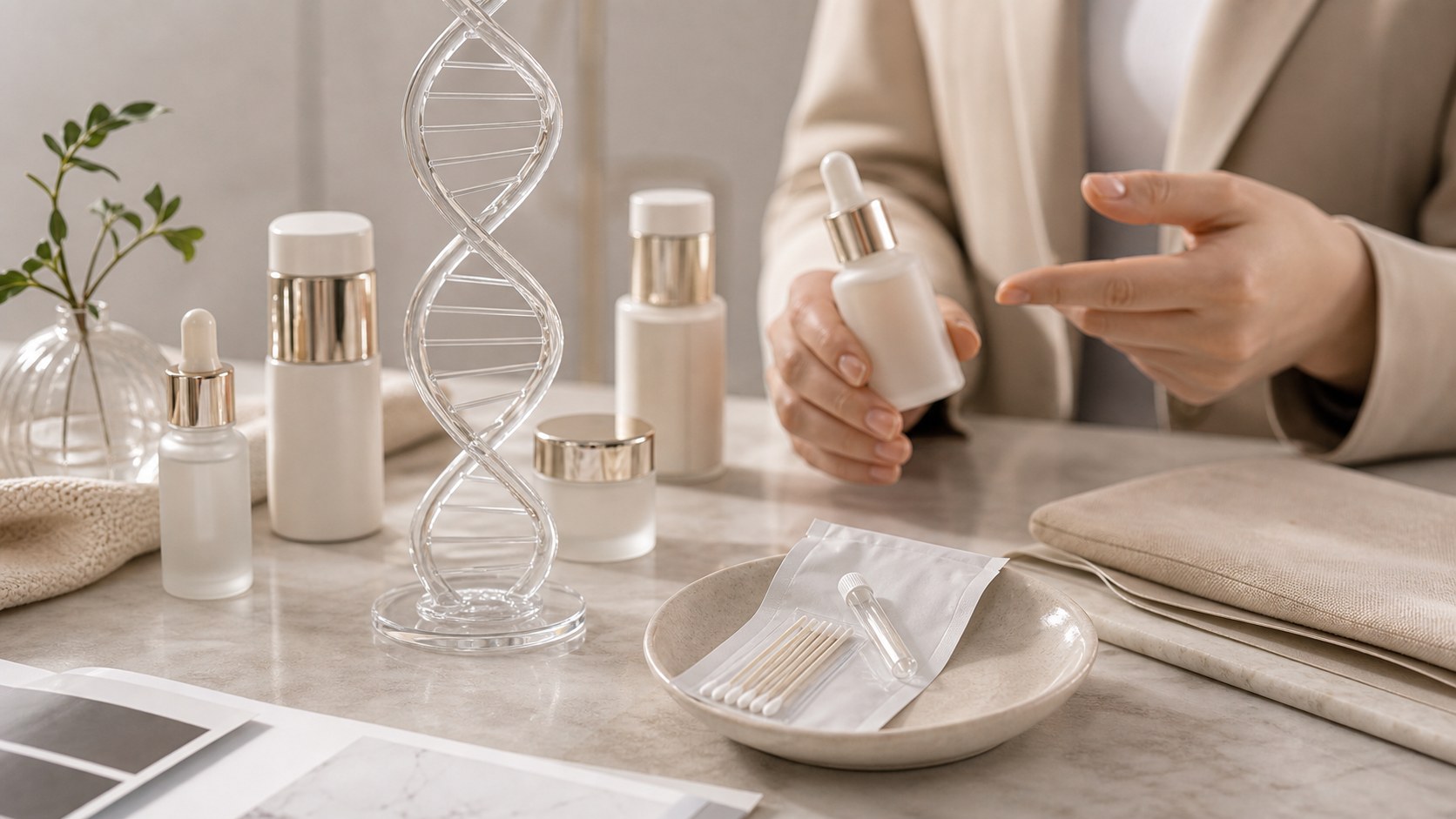
Personalized beauty through DNA testing sounds like the ultimate shortcut: send a sample, receive a routine, and finally stop guessing. The reality is more complicated. DNA can suggest inherited tendencies, but skin and hair are shaped by environment, hormones, age, sun exposure, stress, medical history, product habits, and lifestyle. The rise of DNA-based beauty is worth watching because it may improve personalization in some areas, but it also raises questions about privacy, evidence, interpretation, and whether consumers are being sold certainty that genetics alone cannot provide.
A: No. It may offer clues, but current skin condition and habits still matter.
A: Potentially for some traits, but only if the science and interpretation are strong.
A: Yes. Genetic data deserves careful handling and clear deletion options.
A: It may suggest tendencies, but patch testing remains important.
A: They should, because age, climate, hormones, and routines change.
A: Most beauty DNA services are not a substitute for medical advice.
A: Transparent evidence, privacy controls, realistic claims, and practical recommendations.
A: People who want guided choices and understand that DNA is only one input.
DNA Can Suggest Tendencies, Not Daily Skin Conditions
DNA testing may identify genetic markers associated with traits such as collagen breakdown tendencies, antioxidant capacity, pigmentation patterns, inflammation response, or sensitivity risk. In theory, that information could help a brand recommend sunscreen emphasis, antioxidant support, barrier care, or aging prevention. The appeal is obvious. People want routines that feel designed for their biology rather than copied from a stranger’s shelf.
The limitation is that genes are not the same as current skin condition. A person may have a genetic tendency toward dryness but live in a humid climate and use a rich moisturizer. Another person may have no obvious genetic risk for sensitivity but develop irritation from over-exfoliation. DNA can be a background clue, but it cannot see your cleanser, your retinoid habits, your acne cycle, your medication, or your sun exposure this month.
This is why DNA-based beauty should be treated as one layer of information. It may help explain predisposition, but it should not override visible skin behavior. If a DNA report suggests a strong active but your face burns easily, your face wins. Personalization should listen to the skin in real time.
The Strongest Personalization Will Combine Multiple Data Types
DNA testing becomes more useful when combined with other information. Skin imaging can show pigmentation, redness, pore appearance, texture, and hydration patterns. Lifestyle questionnaires can capture sleep, stress, climate, sun habits, diet, pregnancy, medications, and product use. Professional assessment can identify conditions that a consumer might misread. Together, these data points create a more realistic picture than DNA alone.
By itself, DNA is static. Your genetic code does not change when you move from Denver to Miami, start a retinoid, begin a medication, or spend a summer outdoors. Your skin does change. A good personalized beauty system should update recommendations as your environment and routine change. Otherwise, the report becomes a fixed story about a face that is constantly living through new conditions.
The future may involve dynamic personalization: seasonal adjustments, product-use feedback, progress photos, and dermatologist-informed guardrails. That would be more helpful than a one-time genetic report that recommends a generic serum. Beauty personalization should become more responsive, not merely more technical.
Privacy Is a Serious Beauty Issue
DNA data is intimate. It can reveal information beyond whether you might like a peptide serum. Genetic data may have implications for family relationships, ancestry, health predispositions, and identity. When beauty brands enter this space, consumers need to ask who stores the data, how long it is kept, whether it is shared, whether it can be deleted, and whether it may be used for purposes beyond product recommendations.
Privacy policies are not glamorous, but they matter more here than with a normal moisturizer purchase. A shade quiz or skin-type quiz may collect marketing data, but a DNA test collects biological information. Before sending a sample, consumers should understand consent, data security, third-party access, and whether the company can change its practices later. Personalized beauty should not require careless surrender of genetic information.
Trust will become a competitive advantage. Brands that explain data handling clearly may earn more confidence than brands that hide behind vague innovation language. If a company cannot tell you exactly what happens to your sample and data, that uncertainty should matter as much as the promised routine.
Evidence Needs to Be More Than a Pretty Report
A DNA beauty report can look scientific while still relying on limited or indirect evidence. Some genetic associations may be real but small. Others may be based on studies that do not translate neatly into product selection. The leap from marker to moisturizer is not always straightforward. Consumers should be cautious when a report turns complex biology into a single must-buy product.
The better question is not whether genes influence skin. They do. The better question is whether a specific test can make a specific skincare recommendation that improves outcomes compared with a careful non-DNA consultation. That is a higher standard. A personalized report should be useful, not merely fascinating.
By 2030, the strongest companies may publish more transparent validation: how recommendations are generated, what evidence supports each marker, and whether customers actually see better results. Without that evidence, DNA beauty risks becoming a luxury storytelling tool rather than a true improvement in routine design.
DNA Testing May Help Most With Prevention Framing
One promising use of DNA beauty is prevention messaging. If a report suggests a tendency toward pigmentation, collagen breakdown, oxidative stress, or inflammation, it may motivate someone to take sunscreen, antioxidants, barrier care, and gentle routines more seriously. Even if the recommendation is not radically different, the personal framing can make the advice feel more relevant.
That motivation can be useful, but it should not create fatalism. A genetic tendency is not a guaranteed outcome. Sunscreen, sleep, stress management, routine consistency, medical care, and product choices still matter. DNA should not make someone feel doomed to wrinkles, acne, pigmentation, or sensitivity. It should encourage smarter habits while leaving room for change.
The most responsible DNA beauty brands will emphasize modifiable behavior. They will not use genetic language to scare people into buying a full product line. They will explain what is known, what is uncertain, and what practical steps are worth taking regardless of genetic category.
Personalized Beauty Still Needs Sensory Fit
Even a genetically informed product has to feel good. Texture, fragrance, finish, price, packaging, and compatibility with makeup all affect whether someone uses a product consistently. A DNA report may recommend barrier support, but the moisturizer still needs to suit oily, dry, acne-prone, or sensitive skin in real life. A product that is scientifically matched but unpleasant will sit unused.
This is especially true for sunscreen. A DNA report may highlight UV vulnerability or pigmentation tendencies, but the best sunscreen is still the one a person applies generously. Skin tone, eye sting, climate, sweat, makeup, and budget shape sunscreen success. Personalization that ignores sensory experience is incomplete.
Future beauty personalization should include preference without becoming shallow. A matte texture, fragrance-free formula, refillable package, or lightweight gel can be part of adherence. Science gets the routine close; daily comfort keeps it going.
The Consultation Experience May Become More Transparent
If DNA beauty becomes common, the consultation around the test will matter as much as the sample. A responsible service should explain what the test can reveal, what it cannot reveal, and which recommendations are based on strong evidence versus broad wellness logic. That kind of transparency helps the customer understand whether they are buying a scientific tool, a motivational report, or a luxury personalization experience.
The report should also make uncertainty visible. Skin biology is full of probabilities, interactions, and changing conditions. A customer should not leave believing that one marker proves they need a specific serum forever. Better reports may use language such as likely, possible, limited evidence, or monitor your response. That may sound less glamorous, but it is more honest and more useful.
Follow-up will separate serious personalization from novelty. If a recommendation irritates the skin, fails to fit the climate, or conflicts with a dermatologist’s advice, the system should adapt. Beauty personalization should feel like a conversation that gets smarter over time, not a one-time printout attached to a shopping cart.
Equity and Access Will Shape Whether DNA Beauty Helps
DNA testing in beauty could easily become another premium service that looks advanced but serves a narrow audience. If the databases behind recommendations are not diverse, results may be less useful for people from underrepresented ancestry groups. If the product options are expensive, the advice may feel like a sales funnel rather than practical personalization. The science has to work across real populations, not only ideal marketing samples.
Skin tone diversity matters especially for pigmentation, sunscreen, irritation, scarring, and visible inflammation. A recommendation system that does not understand deeper skin tones can miss concerns that shape daily skincare decisions. Personalized beauty should improve nuance, not reproduce the blind spots that already exist in beauty retail.
The most valuable version of DNA beauty may be modest: helping people prioritize prevention, avoid irritating routines, and understand inherited tendencies without demanding an entire luxury regimen. If the technology only works when paired with costly subscriptions and product bundles, its impact will remain limited.
Product Matching Still Has to Respect the Bathroom Shelf
A DNA-led routine can fail for very ordinary reasons. The cleanser might feel stripping, the serum might pill under sunscreen, the moisturizer might be too shiny for work, or the recommended routine might take too long for a parent getting ready before school drop-off. These details are not shallow. They decide whether a plan survives the first month.
The better future is personalization that asks practical questions after the science questions. How many steps will this person actually use? Does the sunscreen suit their skin tone? Do they wear makeup? Are they already using a prescription? Can they afford refills? A recommendation that ignores these details may be biologically interesting but behaviorally useless.
This is where human guidance still matters. A professional or well-designed digital system can translate a genetic tendency into a routine that fits someone’s real day. Personalized beauty should not make people feel like they failed a report. It should meet the routine where life actually happens.
That practical layer is especially important when a report recommends several changes at once. Starting every new product together can cause irritation and make it impossible to know what worked. A more thoughtful system would stage the routine, introduce one product at a time, and help the customer recognize whether the skin is improving or objecting. Personalization should simplify the experiment, not turn the bathroom shelf into a lab with no instructions.
The routine should also leave room for personal preference. A fragrance-free gel, a richer cream, or a lower-cost sunscreen may make the difference between a recommendation that sounds perfect and one that is actually used every morning.
The Bottom Line on DNA-Driven Beauty
DNA testing may become one useful tool in personalized beauty, especially when combined with imaging, lifestyle context, professional interpretation, and transparent privacy practices. It can suggest tendencies and encourage prevention, but it cannot replace observing your skin, patch testing products, or adjusting routines when your face changes. Genetic data is a clue, not a command.
The rise of DNA beauty will be healthiest if it becomes more honest. Consumers deserve clear evidence, clear privacy policies, and recommendations that do not pretend biology is simpler than it is. Personalized beauty should help people make fewer wrong choices, not make them feel trapped by a report.