The Future of Skincare Will Be Smarter, Quieter, and More Accountable
By 2030, skincare will probably feel less like a shelf full of miracle claims and more like a system built around measurement, prevention, personalization, and barrier respect. The most exciting changes will not be futuristic jars for their own sake. They will be better ways to understand what skin needs, choose ingredients with evidence, reduce waste, and use devices or diagnostics without turning every face into a science project. The future of skincare will still include cleanser, moisturizer, sunscreen, and patience, but those basics will be supported by smarter tools and more honest expectations.
A: It will be more personalized, but skin still changes with lifestyle and environment.
A: Yes. Cleansing, moisturizing, sunscreen, and consistency will remain central.
A: No. They may support routines, but topical care and professional guidance still matter.
A: Likely, especially where refills and formula protection can work together.
A: It may help narrow choices, but good recommendations still need honest data and judgment.
A: Yes, because tolerance affects whether active products can be used consistently.
A: Some tech-driven products will, but smarter minimal routines may also reduce waste.
A: Look for evidence, clarity, privacy, and products that make daily use easier.
Personalization Will Move Beyond Quizzes
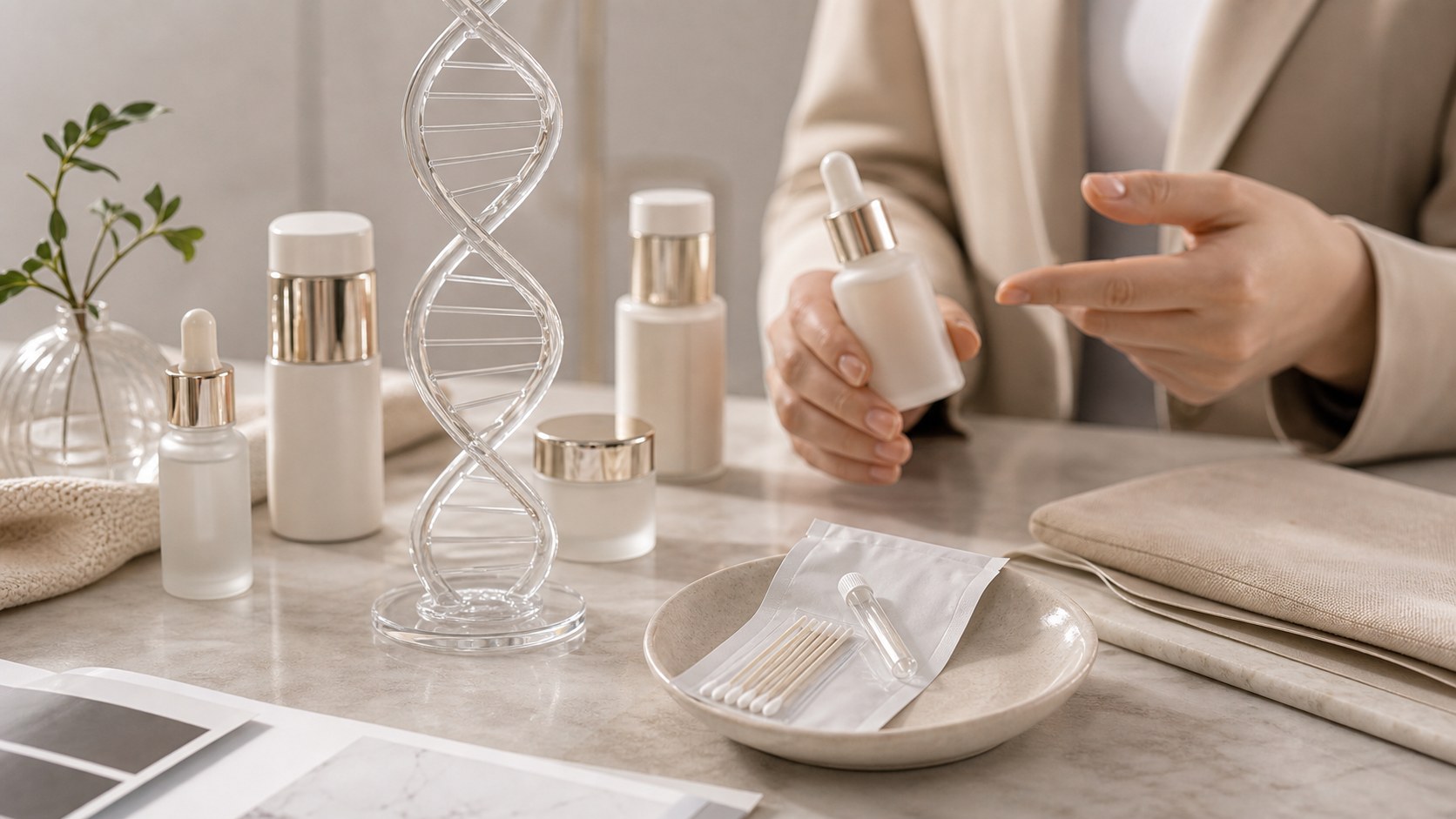
The biggest shift by 2030 will be the difference between cute personalization and useful personalization. Today, many routines are personalized through short quizzes about oiliness, dryness, acne, and sensitivity. Those quizzes can help beginners, but they often miss climate, medication, hormones, lifestyle, skin tone, barrier history, and how products interact. By 2030, personalization will likely include better skin imaging, routine tracking, environmental data, and more careful interpretation by dermatologists, aestheticians, or credible digital tools.
That does not mean every person will need a DNA test or a bathroom scanner. The best future systems will probably combine simple observation with selective technology. A person might track recurring dryness after retinoid nights, compare pigmentation changes through consistent photos, or receive sunscreen reminders based on UV exposure. The value will come from decisions that become more accurate, not from collecting data for its own sake.
The risk is overconfidence. A device may measure redness or hydration, but it cannot always understand stress, sleep, picking habits, over-cleansing, or the emotional reasons people change products too often. The future will need humility. Better data should make routines calmer, not more obsessive.
Barrier Science Will Stay Central
Even as technology advances, the skin barrier will remain one of the most important skincare topics. Over the last decade, consumers have learned that burning, peeling, and tightness are not proof that a routine is working. By 2030, more products will likely be built around barrier support, microbiome-friendly claims, and reduced irritation from active ingredients. The future will not abandon retinoids, exfoliants, or brightening ingredients, but it will ask them to behave more politely.
Expect more formulas that pair treatment actives with cushioning support. Retinoids may be delivered in gentler systems. Exfoliants may be buffered with humectants and barrier lipids. Brightening products may focus on inflammation control as much as pigment pathways. This is not less scientific than aggressive skincare. It is more realistic because long-term results depend on routines people can actually tolerate.
Barrier language will also need better standards. Not every product that says barrier repair will be equally meaningful. Consumers will have to learn the difference between a soothing texture, a true occlusive support product, and a formula that contains ceramides in a tiny decorative amount. By 2030, the best brands will explain barrier function with more precision.
Sunscreen Will Become More Wearable and More Integrated
Sunscreen will still be the most important anti-aging and skin-health product in 2030, but the category should become more elegant. Better textures, broader shade ranges, less eye sting, and more flexible finishes will make daily use easier for more people. The future of sunscreen is not only higher SPF. It is sunscreen that people apply generously because it works with their skin tone, makeup, climate, and sensory preferences.
Tinted sunscreens will likely become more nuanced, especially for people managing hyperpigmentation or melasma. Iron oxides and visible-light protection may become part of more mainstream conversations. At the same time, body sunscreen, hand SPF, scalp protection, and reapplication formats will become more practical. The future will treat sunscreen as a lifestyle product, not only a beach product.
The challenge will be claims. Consumers will still need to understand that makeup with SPF, powder SPF, and sprays used casually are not always enough for heavy exposure. By 2030, the best education will focus on amount, reapplication, and backup protection such as hats and clothing. Better formulas help, but behavior still decides protection.
At-Home Devices Will Need Evidence and Boundaries
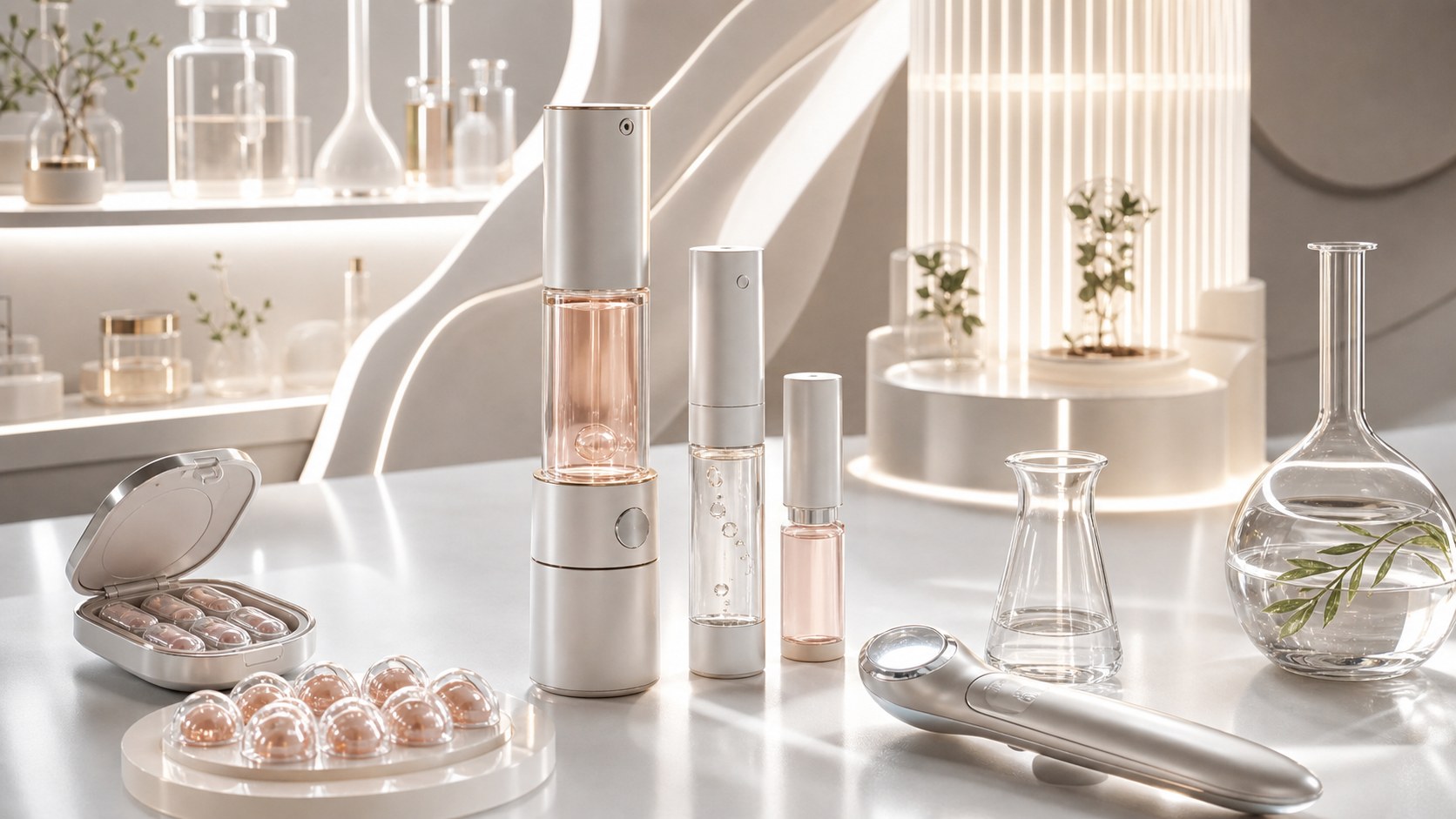
LED masks, microcurrent tools, cleansing devices, skin analyzers, and other at-home devices will probably keep growing. Some may become more effective, more affordable, and easier to use correctly. The best devices will have clearer protocols, better safety guidance, and more realistic claims. A future consumer should be able to understand what a device can improve, how often it must be used, and when professional treatment is more appropriate.
The danger is device clutter. A bathroom full of gadgets can become as confusing as a cabinet full of serums. Some tools require consistency, correct placement, clean surfaces, and patience. Others may be unnecessary for the concern a person actually has. The future of skincare should not turn every routine into a nightly appointment with five machines.
Professional boundaries will matter. At-home devices may support mild concerns, but they will not replace dermatology for suspicious lesions, severe acne, scarring, significant pigment disorders, or medical skin disease. The smartest 2030 routine will know when home care is enough and when a professional should step in.
Sustainability Will Shape Packaging and Product Design
By 2030, skincare will face more pressure to reduce waste. Refillable packaging, concentrated formulas, recyclable components, lighter shipping, and better supply-chain transparency will likely become more common. Consumers are already tired of oversized boxes, decorative plastic, and single-use novelty products. Future skincare will need to look beautiful without pretending waste is luxury.
Sustainability will also influence formula choices. Waterless products, solid cleansers, refill pods, and multi-use products may grow, but they will need to perform well. A sustainable product that irritates skin or sits unused is not truly successful. The best future products will balance environmental responsibility with preservation, hygiene, texture, and results.
Greenwashing will remain a problem. Words like clean, conscious, natural, and eco-friendly can sound reassuring while meaning little without specifics. By 2030, shoppers may demand clearer claims: what is refillable, what is recyclable locally, what percentage is post-consumer material, and what tradeoffs exist. Sustainability will become more credible when brands are willing to be specific.
Ingredient Trends Will Become More Evidence-Filtered
Skincare will always have trendy ingredients, but by 2030 consumers may become more skeptical of sudden miracle claims. Peptides, growth-factor-inspired products, exosomes, postbiotics, fermented ingredients, retinal, azelaic acid, and pigment-targeting blends may all keep evolving. The difference will be how claims are framed. A serious product will need better evidence, clearer use cases, and less vague transformation language.
This evidence filter will benefit consumers. Instead of asking whether an ingredient is good or bad in isolation, people will ask what concentration, what delivery system, what study context, what skin type, and what realistic timeline. That is a more mature way to shop. It also makes room for boring ingredients like glycerin, petrolatum, niacinamide, and sunscreen filters to remain respected because they actually do important work.
The future will not eliminate hype, but it may make hype easier to spot. Brands that overpromise may face faster criticism from educated consumers. Brands that explain limitations may earn more trust. Skincare in 2030 will be more interesting if honesty becomes part of the luxury.
Retail Will Shift From Endless Discovery to Better Decisions
The way people buy skincare may change almost as much as the formulas themselves. Instead of wandering through hundreds of nearly identical serums, shoppers may see tighter recommendation systems that explain why one product suits their routine and why another should wait. Better retail will not mean more choices on every screen. It will mean fewer wrong choices, fewer incompatible routines, and more context around how a product fits with what someone already owns.
Sampling may become smarter, too. Trial sizes, refillable testers, and guided starter kits could help people test tolerance before committing to full bottles. This matters because skin often needs time to reveal whether a product is helpful, irritating, too heavy, or simply unnecessary. A future shopping experience that respects trial time would be more useful than one built around instant impulse purchases.
Reviews will need to mature alongside retail. Star ratings are helpful, but skin tone, climate, age, acne tendency, product layering, and expectations all shape whether a review applies to you. By 2030, the most useful reviews may read less like quick praise and more like small case notes: who used it, how often, with what routine, and what changed.
Dermatology and Beauty Culture Will Overlap More Carefully
Dermatologists, cosmetic chemists, aestheticians, creators, and brands will continue sharing the same conversation space, but the roles should become clearer. A creator can make a product understandable, a chemist can explain formulation, an aesthetician can guide treatment experience, and a dermatologist can diagnose medical skin concerns. The future gets better when those strengths cooperate instead of competing for authority.
This overlap will be especially important for conditions that are often mislabeled as normal texture or routine problems. Rosacea, melasma, eczema, perioral dermatitis, fungal folliculitis, acne variants, and allergic reactions can all be confused with ordinary sensitivity or breakouts. By 2030, better education may help people realize when a product switch is not enough and when medical care would save time, money, and frustration.
Beauty culture will still be emotional. People want skin to look good, but they also want to feel less confused by their own reflection. The healthiest future will combine aspiration with realism: beautiful textures, enjoyable routines, and credible science without turning every visible pore, line, or spot into an emergency.
Routine Minimalism Will Become More Informed
Minimal skincare in 2030 will not necessarily mean owning only three products. It will mean understanding which steps are earning their place. A person with acne, melasma, eczema, or retinoid irritation may need a more deliberate routine than someone with balanced skin, but even that routine can be edited. The future minimalist will not reject science; they will reject clutter that does not serve a purpose.
This could make routines feel less performative. Instead of chasing every launch, consumers may become more comfortable using a cleanser that never goes viral, a moisturizer that simply works, and a treatment chosen for a specific concern. That kind of restraint is quietly advanced. It asks products to prove their value in the routine, not just in the marketing copy.
The result may be a more confident consumer: less impressed by crowded shelves, more interested in compatibility, and quicker to notice when a product is solving a real problem.
The Bottom Line on 2030 Skincare
The future of skincare will probably be advanced and familiar at the same time. People will still cleanse, moisturize, protect from sun, treat acne, manage pigment, support aging skin, and calm irritation. The difference is that those steps may be guided by better data, better textures, better packaging, and a stronger understanding of the skin barrier. The best routines will feel more precise without becoming more frantic.
The most beautiful version of 2030 skincare is not a face controlled by devices and algorithms. It is a person who understands their skin better, buys fewer wrong products, uses sunscreen more consistently, and knows when a claim deserves skepticism. The future should make skincare feel clearer, not louder.