A Spa-Level Hand Ritual Is Mostly Better Pacing
At-home hand care starts to feel like a spa treatment when the steps slow down, the water is warm instead of harsh, the products are chosen for comfort, and the hands get more attention than a rushed smear of lotion. You do not need a professional manicure station or a cabinet full of tools. The luxury is in sequencing: soften, cleanse, exfoliate gently, treat the cuticles, massage, mask, seal, and then protect the result. Done well, a hand ritual can make rough skin feel flexible, calm ragged cuticles, restore moisture after a hard week, and turn ordinary maintenance into a small reset that still has real skin benefits.
A: Weekly is enough for many people, with daily cream in between.
A: Only if it is gentle and your skin is intact.
A: No, but a short warm soak can soften roughness and cuticles.
A: Avoid cutting live skin; soften and moisturize instead.
A: Yes, especially under cotton gloves if the texture is comfortable.
A: Stop fragranced or active products and focus on bland repair.
A: They can, mainly by keeping moisturizing ingredients in place longer.
A: Optional; let oils absorb and clean the nail plate first.
A: Absolutely. Hand barrier care is not gendered.
A: Moisture sealing after washing or soaking gives the biggest everyday payoff.
Start With a Warm Soak, Not Hot Water
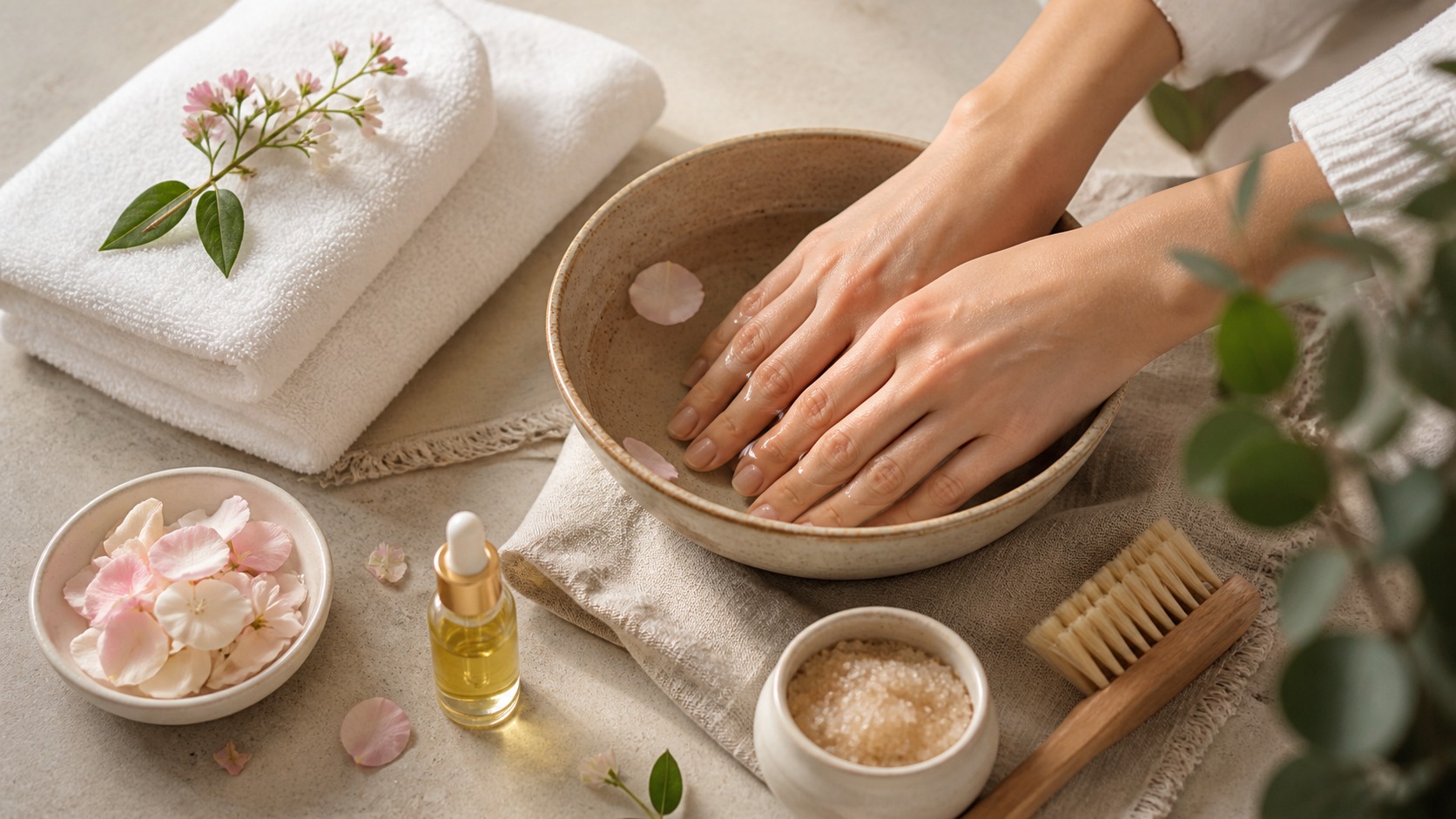
A hand soak should soften the skin, not strip it. Warm water is enough. Hot water may feel indulgent at first, but it can remove oils and leave hands tighter afterward. Keep the soak short, usually a few minutes, and use it as a transition step. The goal is to loosen dryness around the nails and help the skin receive the next products.
You can keep the soak plain or add a gentle, fragrance-free cleanser if the hands need cleaning. Avoid strong essential oils or harsh bath additives if the skin is cracked. A spa mood should not come at the cost of irritation.
Exfoliate Like You Like Your Barrier
Hand exfoliation can make skin look smoother, but it should be gentle. A soft washcloth, mild scrub, or low-strength exfoliating ingredient can help roughness on intact skin. Do not scrub cracked knuckles, open cuticles, eczema patches, or irritated areas. Those zones need repair, not polishing.
Many people overdo this step because smoothness feels satisfying. The better spa approach is restraint. A little exfoliation makes moisturizer work better; too much creates the dryness you were trying to fix.
Cuticle Care Changes the Whole Look
Cuticles frame the nails, and dry ragged nail folds can make hands look neglected even when the skin is soft. Apply cuticle oil or balm and massage it in slowly. Push nothing aggressively. Cutting live skin or digging around the nail fold can create soreness, peeling, and infection risk. Spa-level cuticle care is patient, not forceful.
If you wear polish, gel, or extensions, cuticle care becomes even more important. Removers and services can dry the surrounding skin. A weekly ritual helps restore flexibility around the nail plate.
Massage Is More Than Atmosphere
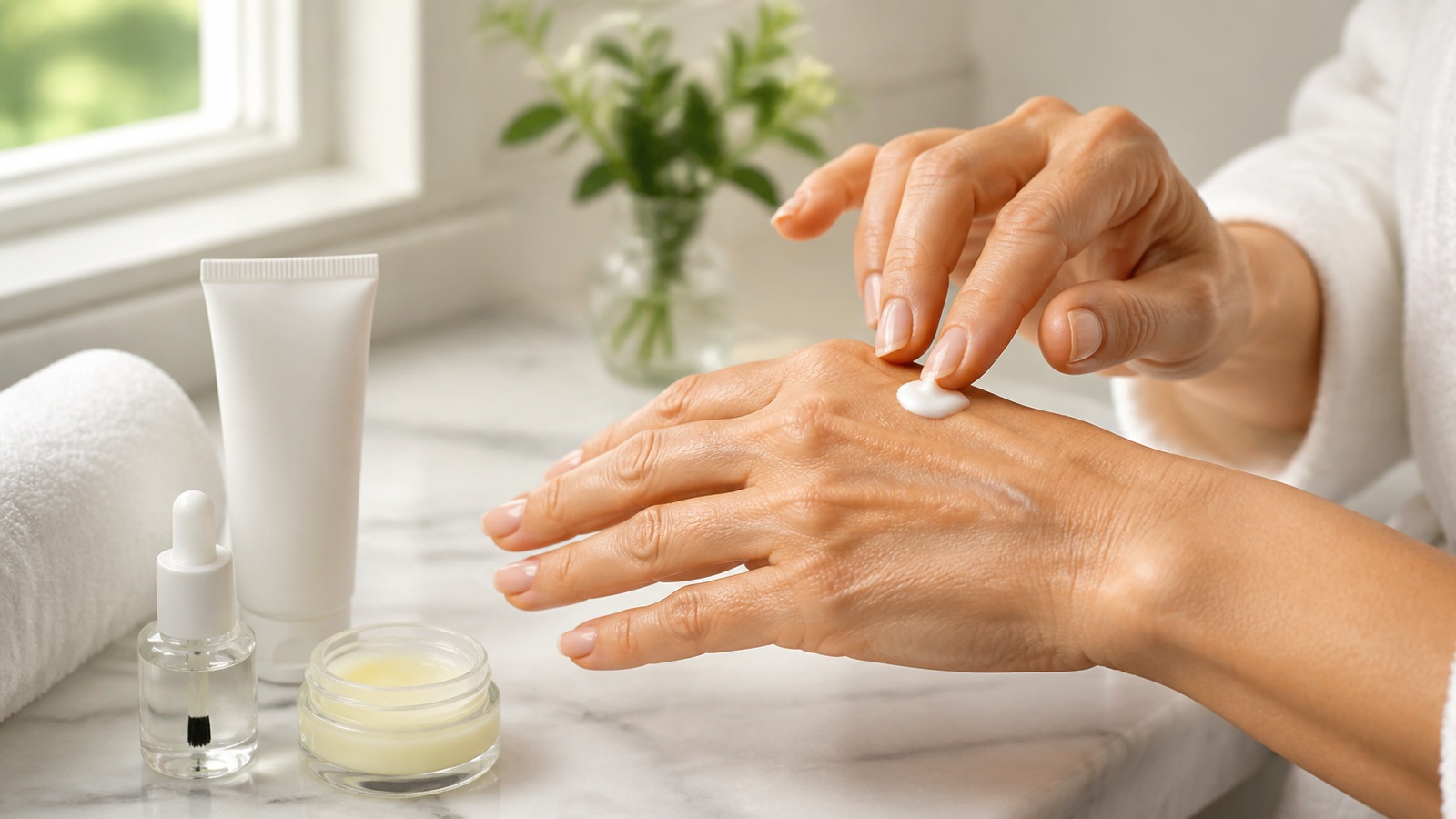
Hand massage spreads product evenly, warms the skin, and encourages you to notice rough patches, sore joints, and dry nail folds. Use a cream or oil with enough slip. Work over the backs of hands, palms, thumbs, fingers, and wrists. Spend extra time on knuckles and cuticles, where dryness often settles.
The pressure should feel soothing, not painful. If your hands are inflamed, keep massage light. The point is care, not forcing tension out of delicate skin.
Use a Hand Mask Strategically
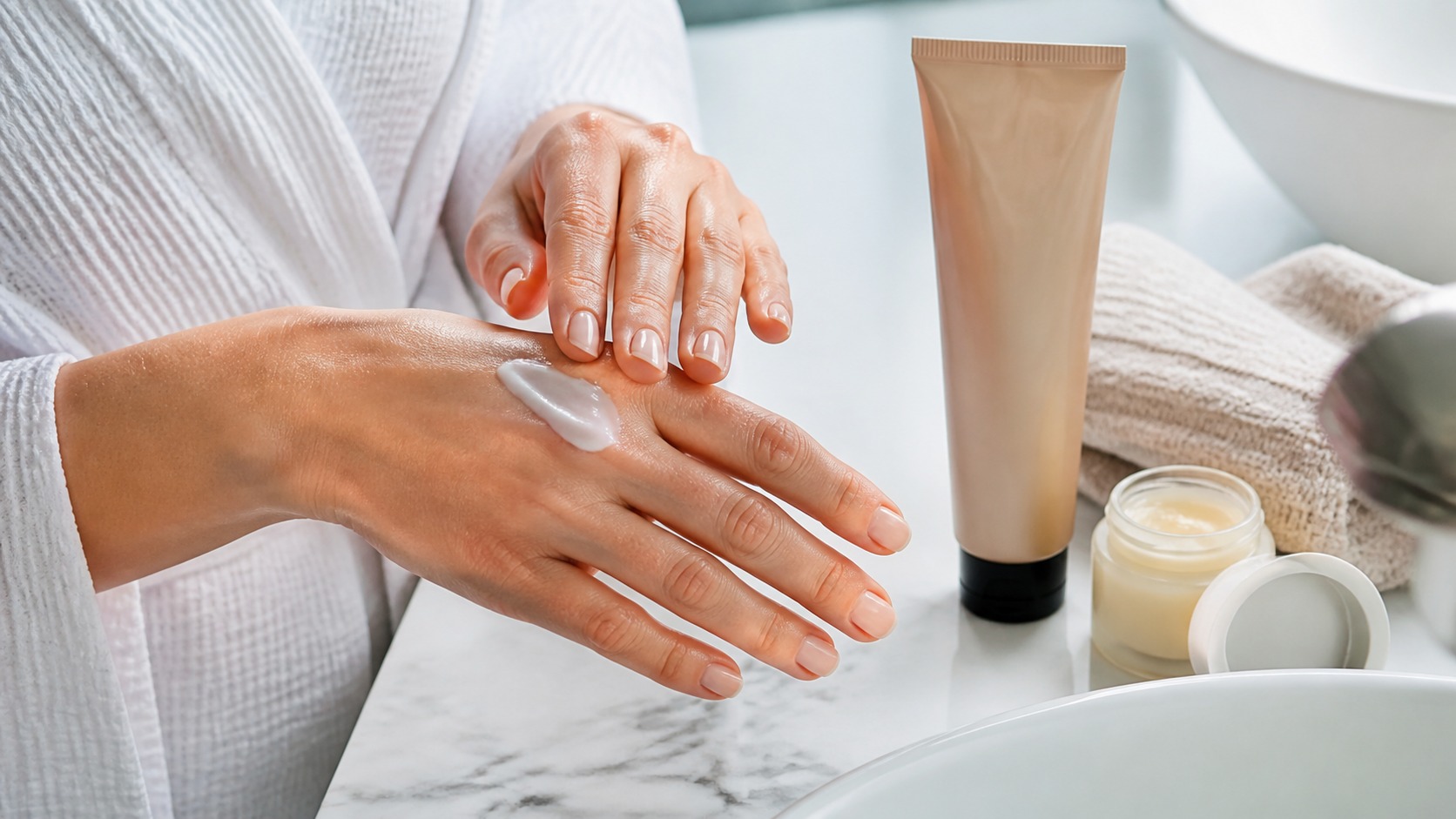
A hand mask can be as simple as a thick layer of cream under cotton gloves. The covering keeps product in place and reduces evaporation. This is especially useful after washing, exfoliating, or gardening. Ten to twenty minutes can make a difference, and overnight masking can help very dry hands if the texture does not bother you.
Choose a mask based on need. Dry hands want occlusion and moisture. Rough hands may benefit from urea or lactic acid when the skin is intact. Sensitive hands usually prefer bland fragrance-free repair. The spa label matters less than the ingredients and timing.
Do Not Forget the Wrists
Wrists are part of the visual hand area, but they are often skipped. They get fragrance, jewelry friction, soap runoff, cuffs, and sun. Bring moisturizer and sunscreen slightly past the wrist so the hand care does not stop abruptly. This small detail makes the result look more polished and protects a zone that moves constantly.
If bracelets or watch bands irritate the skin, clean them and give the area breaks. A ritual should reveal those patterns, not cover them with more product.
Polish Is Optional
A spa-level hand ritual does not require nail color. Buffed, clean, hydrated nails can look elegant without polish. If you do polish, use the ritual to create a smooth base: hydrated cuticles, clean nail surface, and dry hands before application. Avoid trapping heavy oils under polish because they can interfere with wear.
Polish-free weeks can be useful if nails feel thin, peeling, or dry. Treat the nail area as skin-adjacent tissue that deserves recovery time.
Turn the Ritual Into Maintenance
A full ritual once a week is lovely, but smaller maintenance keeps the benefits alive. Keep cream near sinks, use gloves for chores, apply cuticle oil while watching a show, and put sunscreen on hands before driving. The ritual becomes more effective when it is supported by ordinary habits.
Gloss Street’s at-home spa rule is simple: make the ritual gentle enough that your skin looks better afterward, not temporarily shiny and secretly irritated. Soft hands come from repeated kindness, not one aggressive scrub in a pretty bowl.
Set the Mood Without Irritating the Skin
Candles, music, warm towels, and a clean tray can make the ritual feel special without touching the skin at all. If your hands are reactive, put the sensory details around the treatment instead of inside the product. A fragrance-free cream can still feel luxurious when the room is calm and the towel is warm.
This distinction matters because many spa products lean heavily on scent. Scent can be beautiful, but cracked hands may not appreciate it. The best home ritual lets atmosphere do the pampering while the formulas do the repair.
Choose Products by the Week Your Hands Had
A spa ritual should respond to the condition of your hands that day. If you spent the week washing constantly, choose barrier repair over exfoliation. If your hands are rough but intact, a mild smoothing step may help. If cuticles look ragged, spend more time with oil and massage. If the skin is red or cracked, skip the pretty extras and use bland moisture. The ritual feels more professional when it is customized instead of automatic.
This is one advantage of doing it at home. You can pause, simplify, or extend a step without following a salon menu. The best ritual is not the longest one. It is the one that leaves your hands calmer than when you started.
Create a Clean Tool Habit
At-home spa care can become irritating if tools are dirty or too aggressive. Wash brushes, dry them fully, clean bowls, and avoid sharing implements that touch cuticles. If you use nail files, move gently and replace worn tools. A soft brush can feel luxurious, but it should not scrape the skin. Clean tools protect the ritual from becoming a source of bumps, soreness, or infection risk.
Storage matters too. Keep oils capped, creams clean, and towels fresh. Spa-level does not mean complicated; it means cared for. A neat kit makes the ritual easier to repeat and keeps the mood from becoming cluttered.
Use Heat Carefully
Warm towels can make a hand ritual feel expensive, but heat should be gentle. Too much heat worsens dryness and can aggravate redness. If you warm a towel, make sure it is comfortable against the inner wrist before wrapping the hands. The purpose is to help product spread and create relaxation, not to steam the skin into tightness.
Heat is especially worth moderating if you have eczema-prone hands, rosacea-like flushing on the skin, or cracked knuckles. In those cases, warmth around the experience may be better than heat on the skin. A cozy room, warm drink, and soft towel can create the spa feeling without irritating the barrier.
Finish With Protection, Not Just Shine
Many rituals end with glossy oil, but the final step should depend on what happens next. If you are going to bed, a richer balm or cotton gloves can seal the work. If you are heading into the day, choose a cream that absorbs and add sunscreen to exposed hands. If you need to cook or work, avoid heavy oils that make surfaces slippery. A good finish lets the benefits survive real life.
The next morning matters too. A hand ritual followed by harsh dishwashing without gloves loses some of its payoff. Treat the ritual as a reset, then protect the reset with ordinary habits.
Adapt the Ritual for Different Skin Moods
Some weeks call for a restorative ritual; others call for a minimal one. If your hands are healthy but dull, use the full sequence: soak, gentle polish, cuticle care, massage, and mask. If your hands are cracked, skip exfoliation and focus on bland cream under cotton gloves. If your nails are peeling, avoid aggressive buffing and spend more time on oil around the nail folds. Spa-level care is responsive care.
The ritual can also change with the season. Winter hands may need thicker creams, shorter soaks, and more occlusion. Summer hands may need sunscreen, lighter hydration, and recovery after chlorine or gardening. During busy weeks, even a five-minute version can help: wash gently, apply cuticle oil, massage in cream, and seal rough spots.
What makes the ritual feel elevated is attention. Put the phone aside, use a clean towel, warm the cream between your palms, and move slowly enough to notice what your hands need. That attention is free, and it is often the difference between a routine that feels like a chore and one that feels like care.
Make It Feel Special Without Making It Expensive
A spa-level ritual does not require luxury products. A clean bowl, warm water, a soft towel, a good moisturizer, and a few quiet minutes can feel surprisingly elevated when arranged with care. If you want to add one upgrade, choose something functional: cotton gloves for masking, a better fragrance-free hand cream, or a cuticle oil you will actually use.
The ritual becomes sustainable when it does not depend on a perfect evening. Keep the supplies together so setup takes less than a minute. When the barrier is dry or the week has been rough, you can reach for the kit without turning self-care into another project.
If you only have ten minutes, skip the soak and do cuticle oil, massage, cream, and cotton gloves. Short rituals still work when they are focused. The point is not to copy a spa menu exactly; it is to give the hands a calm sequence that restores softness without creating irritation. Done regularly, even the abbreviated version can make nails, cuticles, and knuckles look more cared for.
For very dry hands, repeat the ritual in smaller pieces during the week. One night can be cuticle oil only. Another can be cream under gloves. Another can be a quick massage after a shower. Breaking the spa idea into small rituals keeps the benefits going without requiring a long setup every time.
Consistency is what turns the ritual from a pleasant evening into visible hand care. Keep expectations practical: softer cuticles may show quickly, while rough knuckles need repeated moisture and protection. The ritual should leave you with hands that feel calmer, not just hands that look glossy for a photo.