
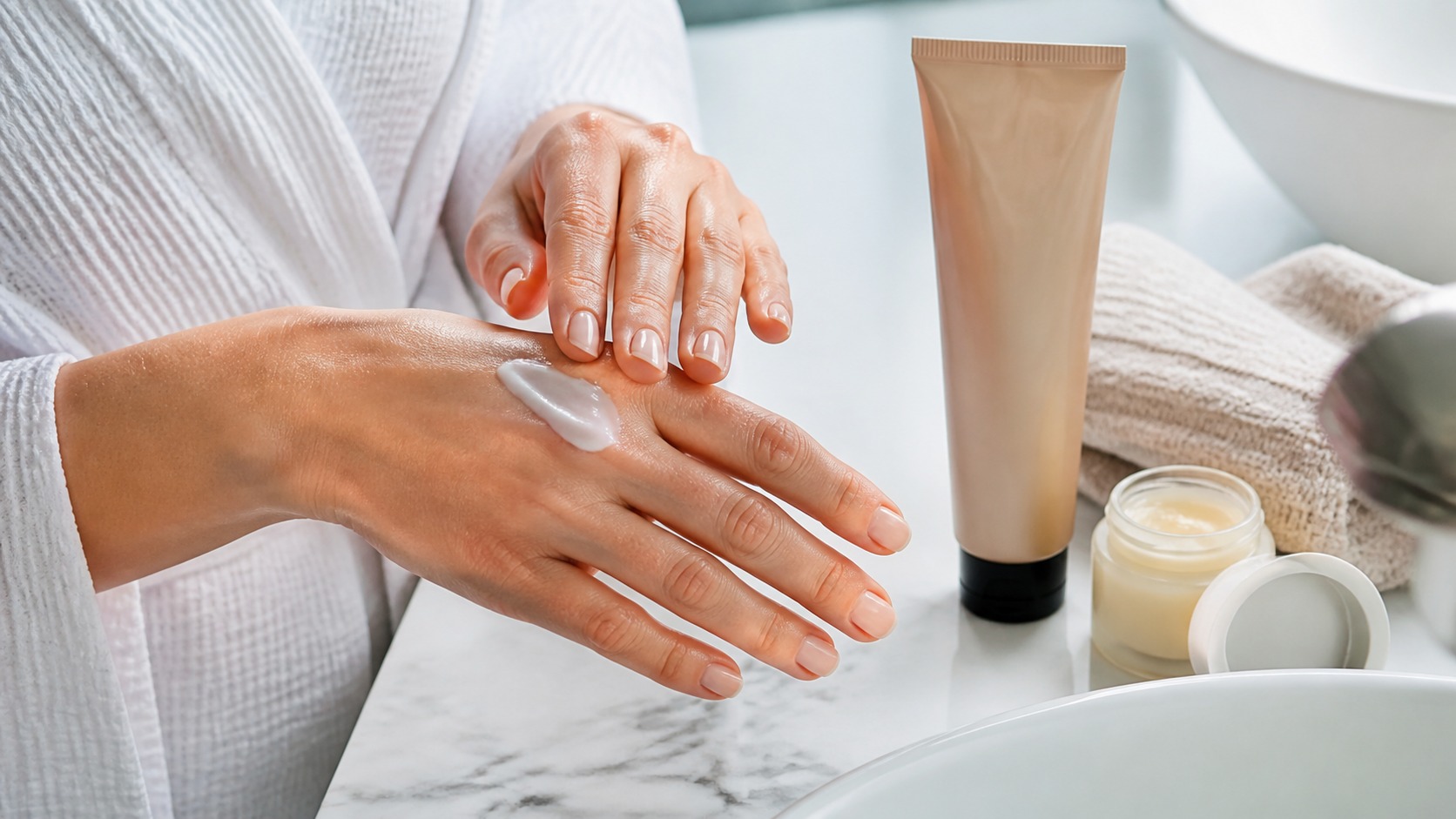
Effective Hand Cream Is Barrier Care, Not Just a Pretty Tube
Hands work harder than almost any other part of the skincare routine. They are washed, sanitized, exposed to weather, rubbed against fabric, used for cleaning, and left in sun during driving and errands. Then they are expected to stay soft because a hand cream smells nice or looks expensive on a nightstand. Dermatologist-approved hand care is more practical than that. A hand cream that actually works has to replace water, slow water loss, support the skin barrier, reduce irritation, and fit into the moments when hands are most likely to dry out again. The best formula is not necessarily the fanciest; it is the one with the right ingredients, the right texture, and the right timing.
A: Glycerin is a reliable starting point, especially when paired with richer barrier ingredients.
A: It can feel greasy, but it is excellent for nighttime repair and cracked spots.
A: Not always, but fragrance-free is safer for cracked, itchy, or eczema-prone hands.
A: Apply after washing and whenever tightness returns; consistency matters more than a single heavy layer.
A: Yes. The backs of hands receive frequent UV exposure and show sun damage over time.
A: Moisturizer can improve texture, but sun spots need prevention and sometimes targeted treatment.
A: Only when skin is intact. Cracked or irritated hands need repair first.
A: The barrier may be damaged, or the formula may contain irritating fragrance or actives.
A: For wet chores, cleaning, cold weather, and irritant exposure, gloves can prevent damage cream cannot fully undo.
A: Deep cracks, oozing, swelling, intense itching, or recurring rashes deserve professional evaluation.
Why Hands Get Dry So Fast
The hands are constantly exposed. Soap, sanitizer, dishwashing, cold air, hot water, paper towels, cleaning products, and friction all remove lipids and moisture from the outer skin. Once the barrier is disrupted, water escapes more easily, and the skin starts to feel tight, rough, flaky, or cracked. A light lotion may feel pleasant for five minutes but disappear before it repairs anything meaningful.
Dermatologists often think in terms of barrier support. The hand cream has to do more than perfume the skin. It needs humectants to attract water, emollients to smooth roughness, and occlusives to slow evaporation. When those pieces work together, hands stay comfortable longer.
Look for Humectants First
Humectants are ingredients that help draw water into the outer skin. Glycerin is one of the most useful and common. Urea, hyaluronic acid, panthenol, and lactic acid can also help depending on the formula and concentration. For very rough hands, urea can be especially effective because it hydrates and helps soften thickened skin.
Humectants work best when paired with ingredients that seal the moisture in. A watery gel may not be enough for cracked hands in winter. A cream that combines humectants with richer barrier ingredients usually performs better.
Emollients Make Rough Skin Feel Flexible
Emollients fill in the tiny gaps between dry skin cells, making the surface feel smoother and more flexible. Ingredients such as shea butter, squalane, fatty alcohols, oils, and silicones can reduce that papery feeling dry hands get after repeated washing. They do not all feel the same. Some are cushiony, some silky, some greasy, and some nearly invisible.
Texture preference matters because hand cream only works when used. A rich balm may be excellent at night but impossible during the workday. A lighter cream may be perfect after handwashing but insufficient for cracked knuckles. Many people need two textures: practical by day, richer by night.
Occlusives Are the Serious Repair Layer
Occlusives slow water loss by forming a protective film. Petrolatum is the classic dermatologist favorite because it is effective, bland, and reliable. Dimethicone, mineral oil, lanolin for those who tolerate it, and waxes can also play this role. Occlusives are especially helpful for cracked knuckles, peeling cuticles, and hands that feel dry again immediately after lotion.
The tradeoff is feel. Some occlusives are shiny or greasy. That is why nighttime use is so powerful. Apply a richer cream or ointment before bed, and the texture becomes less annoying because you are not trying to type, cook, or touch your phone right afterward.
Fragrance Can Be a Problem
A scented hand cream can be delightful, but fragrance is not always friendly to compromised skin. Dry cracked hands are more vulnerable to stinging and allergic contact dermatitis. Essential oils count too. If your hands burn, itch, peel, or develop recurring patches, fragrance-free formulas are the safer starting point.
This does not mean every scented hand cream is bad. It means a working repair cream should prioritize tolerance. Save fragrance for skin that is already calm, or use it sparingly when you know your hands handle it well.
Apply Cream After Washing, Not Only at Night
Hand cream timing matters. Applying after washing helps replace what soap and water removed. The skin does not need to be dripping wet, but slightly damp hands can benefit from a cream that seals in remaining moisture. Keep a tube near sinks where dryness starts: bathroom, kitchen, desk, or work bag.
Nighttime still matters because it gives repair ingredients a longer uninterrupted window. For cracked hands, apply cream, add a thin layer of ointment to the worst areas, and consider cotton gloves if you can tolerate them. That old-school trick works because it keeps product where it belongs.
Hand Cream and SPF Belong Together
Moisture is only one part of hand aging. Sun exposure contributes to spots, uneven tone, rough texture, and thinning over time. Hands receive UV during driving, walking, gardening, sports, and errands. A beautiful hand cream cannot prevent sun damage unless it includes SPF or is paired with sunscreen during the day.
Use sunscreen on the backs of hands when they will be exposed, and reapply after washing if you remain outdoors. At night, switch back to repair. This split keeps the routine logical: protect by day, restore by night.
Cracked Hands Need More Than Cosmetic Softness
When hands crack, sting, or bleed, think repair rather than elegance. Avoid harsh soaps, hot water, fragranced products, and cleaning chemicals without gloves. Use a bland cream frequently and an occlusive layer over fissures. If cracks keep reopening, liquid bandage or hydrocolloid-style protection may help in some cases, but persistent dermatitis deserves professional advice.
Do not exfoliate cracked hands in an attempt to make them smooth faster. The roughness is often a sign of barrier injury. Soften first, repair first, and polish later only if the skin is intact.
Gloves Are Skincare Tools
Protective gloves are underrated. Dishwashing, cleaning, gardening, hair dyeing, and some work tasks expose hands to irritants that hand cream has to fight afterward. Gloves reduce the damage before it starts. For wet chores, choose gloves that keep water and detergent off the skin. For cold weather, wear warm gloves before the hands become chapped.
Prevention is more efficient than constant rescue. A good cream helps, but it should not be asked to undo every avoidable exposure.
When to See a Dermatologist
Hand dryness is common, but stubborn hand eczema, deep cracks, swelling, oozing, intense itching, or recurring rashes may need medical care. Allergic contact dermatitis can come from fragrance, preservatives, rubber gloves, nail products, metals, or workplace exposures. Psoriasis and fungal infections can also mimic simple dryness. If standard hand cream does not help, the issue may not be ordinary dryness anymore.
Gloss Street’s hand-cream rule is grounded and unglamorous: choose ingredients that repair, apply them when the barrier needs help, protect hands from water and sun, and stop judging a formula only by how pretty it smells. Hands respond beautifully to consistency when the cream is built to do real work.
Match the Cream to the Kind of Dryness
Not all dry hands need the same product. Hands that feel tight after washing may do well with a glycerin-rich cream used frequently. Rough knuckles may need urea or lactic acid in a formula designed for thickened skin. Cracked fingertips need bland occlusion and protection from repeated wet work. Itchy patches may need fragrance avoidance and, sometimes, medical treatment rather than another cosmetic cream.
Before buying another tube, look at the pattern. Are your hands dry only in winter? After sanitizer? Around rings? Near nail folds? During cleaning? The trigger tells you what the cream must overcome. A dermatologist-style choice starts with the skin’s behavior, not the prettiest packaging.
The Ring and Nail Zone Problem
Moisture, soap, and irritants can collect under rings and around nail folds. That trapped exposure may lead to peeling, redness, or itching that looks like random dryness. Remove rings before prolonged washing or cleaning when possible, dry underneath them carefully, and apply cream around the nail folds, not just across the back of the hands. Cuticles are part of the barrier story.
Nail products can also complicate hand irritation. Gel systems, adhesives, removers, and fragrances may bother the skin around nails or transfer to eyelids through touch. If hand rashes keep returning despite good cream, look beyond hand soap. The culprit may be a beauty product used near the nails.
Workplace Hands Need Practical Texture
A nurse, teacher, hairstylist, cook, office worker, and gardener do not need the same daytime hand cream. Some people wash constantly. Some touch paper, keyboards, food, tools, or clients. A cream that is perfect at bedtime may be unusable during work because it leaves residue. That does not make it a bad cream; it makes it the wrong time slot.
For work, choose a formula that absorbs quickly but still contains useful barrier ingredients. Save ointments and heavy balms for breaks, commutes home, or bedtime. The best routine often uses a lighter cream repeatedly during the day and a heavier repair layer at night.
Seasonal Changes Matter
Hands often need a richer plan in cold weather because low humidity and wind pull moisture from the skin faster. In summer, sunscreen, gardening, swimming, and handwashing may become bigger concerns. A single year-round cream can work for some people, but many hands do better with seasonal adjustment. Winter may call for ointment over cream. Summer may call for SPF by day and lighter repair at night.
Pay attention before the skin cracks. It is easier to increase cream use when hands first feel tight than to repair painful fissures after weeks of ignoring them. Dermatologist-approved hand care is proactive in the least glamorous, most effective way.
Do Not Ignore Hand Washing Technique
Hand cream works better when washing is less punishing. Use lukewarm water instead of hot water when you can, choose a gentle cleanser for routine washing, and dry by patting rather than scraping with a rough towel. In hygiene-critical settings, you may not control every wash, but you can still repair afterward. The cream near the sink is not decoration; it is part of the washing step.
Sanitizer can sometimes be less drying than repeated soap-and-water washing when hands are not visibly dirty, depending on the formula and setting. Follow hygiene guidance for your situation, but notice how your hands respond. Dermatologist-style care balances cleanliness with barrier preservation, because cracked skin is not a sign that you are doing hand care well.
Aging Hands Need Prevention and Repair
Hand creams can soften crepiness and improve the look of dryness, but they cannot do all the work of preventing visible aging. The backs of the hands need sunscreen during daylight exposure, especially while driving, walking, or gardening. At night, repair creams help restore flexibility and comfort. Splitting the routine this way makes expectations clearer: SPF prevents some future damage, while cream improves barrier feel and texture.
If spots, thinning, or rough patches already bother you, a dermatologist can discuss options beyond hand cream. Even then, daily protection remains the maintenance step. Treatments work better when the skin is not being re-damaged every afternoon.
Keep the routine visible and boring enough to use. A dependable tube by the sink will outperform a luxury cream that stays in a drawer.


