Choosing Hypoallergenic Makeup With a Critical Eye
Hypoallergenic makeup can be a relief when your eyes water from mascara, your cheeks flush under foundation, or lip products leave your mouth feeling irritated. The word sounds medical, but it does not promise that a product is allergy-proof. The smartest way to shop is to treat hypoallergenic as one clue among several: ingredient transparency, fragrance choices, eye-area comfort, removal ease, and how well the brand designs products for repeated daily wear.
A: Yes. It lowers some risks but cannot account for every personal trigger.
A: Not necessarily, but they should test formulas carefully and watch for flaking.
A: It can be a good option, but the complete formula still matters.
A: Price does not guarantee tolerance or better ingredient choices.
A: Try a small area first, then wear it for a short day before full use.
A: Ophthalmologist testing and comfortable removal are especially useful clues.
A: Yes, because it covers the whole face and often contains fragrance or alcohol.
A: Stop the suspected product, simplify your routine, and seek professional care for severe symptoms.
Why the Brand Matters, But the Formula Matters More
A brand can build a reputation for sensitive-skin makeup, but each product still needs its own review. Mascara, foundation, blush, and lipstick use different pigments, waxes, film formers, preservatives, and textures. A company may make a gentle powder but a less comfortable liquid liner, so brand trust should narrow your shortlist rather than replace ingredient awareness.
The most useful hypoallergenic brands tend to be consistent about fragrance avoidance, clear shade labeling, ophthalmologist or dermatologist testing where relevant, and formulas that remove without aggressive scrubbing. Those choices show that the brand understands sensitivity as a daily-use issue, not just a phrase for the front of the box.
Where Sensitive Makeup Users Should Be Pickiest
Eye products deserve the strictest standards because they sit near a delicate area and can migrate during the day. Mascara, eyeliner, shadow primer, and lash glue can cause watering, itching, or flakes that fall into the eye. If your eyes are reactive, prioritize fragrance-free formulas, avoid glitter fallout, and replace eye products regularly.
Base products come next because they cover the largest area. Foundation and concealer should feel comfortable after several hours, not just at application. A formula that looks beautiful but creates heat, tightness, or tiny bumps by evening is not a good sensitive-skin match no matter how smooth the finish is.
Lip products are easy to underestimate. Flavor, fragrance, plumping agents, mint, cinnamon, and certain dyes can bother lips quickly. If your lips peel or tingle from many formulas, choose simpler balms, lipsticks, and glosses before experimenting with stains or long-wear products.
How to Read Hypoallergenic Claims
Hypoallergenic is not a universal standard. It usually means the brand has tried to avoid common irritants or allergens, but it does not tell you which ones or how the product was tested. Better brands support the claim with specific information: fragrance-free, ophthalmologist-tested, non-comedogenic, nickel-conscious pigment sourcing, or suitability for contact lens wearers when those points apply.
Ingredient lists reveal whether the claim matches your needs. If you know you react to fragrance, lanolin, certain sunscreen filters, bismuth oxychloride, or specific preservatives, the word hypoallergenic is less useful than the actual list. Keep a personal trigger note on your phone so shopping does not depend on memory under bright store lighting.
Testing Makeup Without Wrecking Your Week
Test one new makeup category at a time. Trying foundation, primer, mascara, and setting spray together makes it almost impossible to identify the problem if your skin reacts. Wear the new product for a short day first, then a longer day, and pay attention to removal. A product that only comes off with heavy rubbing may still be too disruptive for sensitive skin.
For base makeup, test near the jaw or on one cheek before using it everywhere. For eye makeup, be more conservative: try a small amount for a few hours rather than committing to a full event look. Sensitive users often do better with gradual confidence than with dramatic trial runs before an important day.
What a Strong Sensitive-Friendly Makeup Bag Looks Like
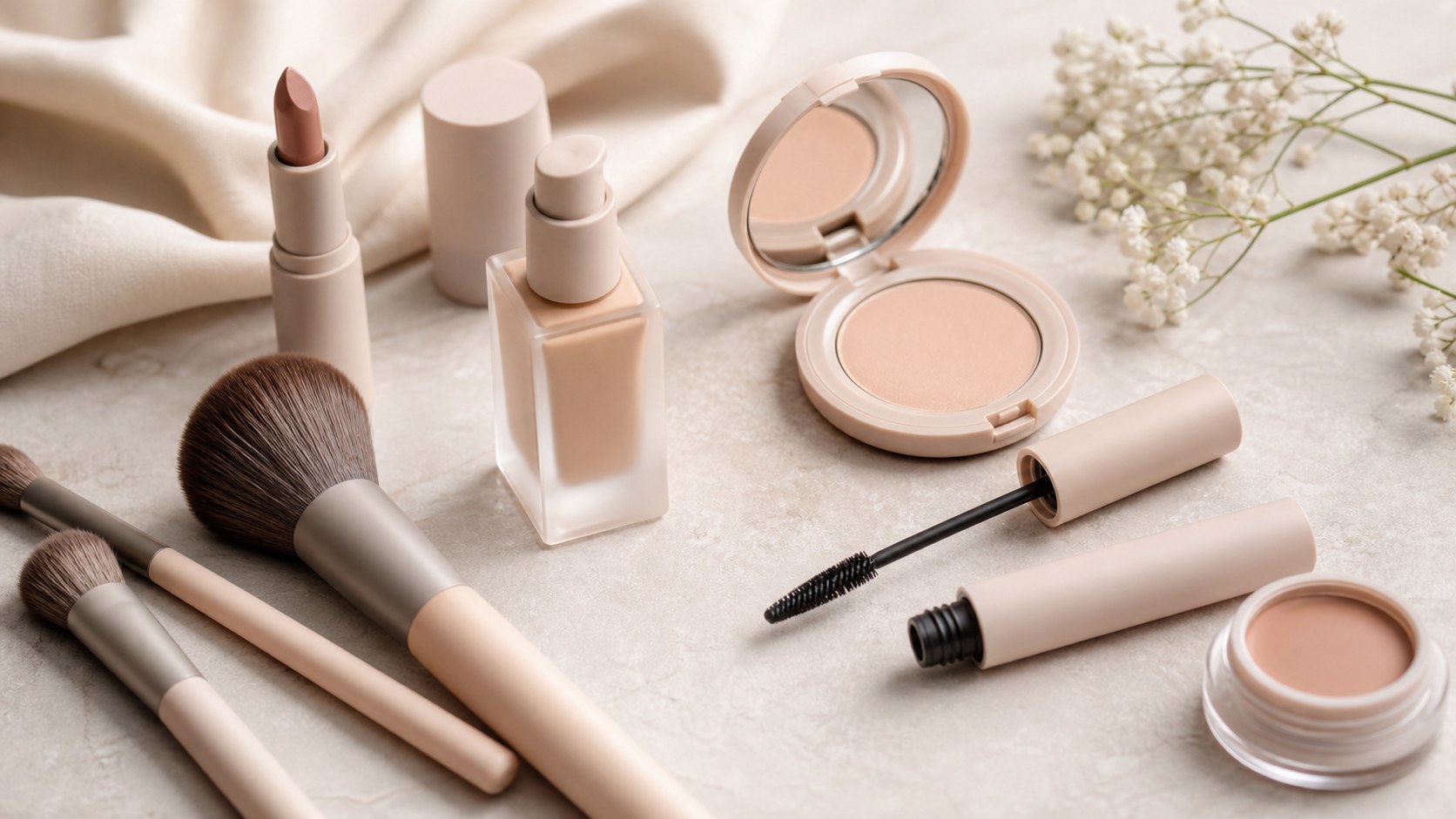
A practical makeup bag starts with comfortable staples: a base product that does not itch, a powder or cream blush that blends without fragrance, an eye product that does not flake, and a lip product that does not tingle. Once those anchors work, trend products become easier to evaluate because you are not constantly changing everything.
Removal belongs in the conversation too. Hypoallergenic makeup is only as friendly as the process required to take it off. If long-wear formulas make you scrub, consider tubing mascara, easy-rinse liners, or base products that dissolve with a gentle cleanser or mild balm.
How to Build Trust With a Makeup Brand Slowly
The safest way to evaluate a hypoallergenic makeup brand is to begin with one product in the category that usually bothers you least. If your eyes are the most reactive area, do not start with mascara and liner together; try a single eye product on a low-stakes day. If your cheeks break out from base makeup, test foundation without adding a new primer, powder, and setting spray at the same time. Trust is built through small, readable experiments.
Pay attention to how the brand communicates with sensitive customers. Helpful brands explain fragrance choices, testing language, intended users, and removal instructions without pretending that reactions are impossible. Vague comfort claims are less useful than practical details. A brand that tells you what a product does not contain, who tested it, and how it should be removed is easier to evaluate than one that relies only on soft-focus marketing.
Shade selection can also reveal how thoughtful a brand is. Sensitive users should not have to sacrifice comfort to get a believable shade, and deeper or very fair skin tones should not be pushed toward formulas with fewer safety details. When a brand treats shade range, undertone, texture, and sensitivity as connected needs, the shopping experience becomes less like a gamble.
If you wear makeup daily, judge products after repeated use rather than one flattering application. A foundation can look beautiful on day one and still clog, itch, or dry the skin by day five. A mascara can feel fine for a dinner and become irritating after ten-hour wear. Longevity for sensitive users means comfort over time, not only color that stays visible.
Removal is where many products reveal their real cost. A long-wear lip color that needs aggressive rubbing may not be worth it if your lips crack afterward. A waterproof mascara may survive humidity but punish sensitive eyes at night. Hypoallergenic makeup should make both application and removal easier on the skin.
The end goal is not to find a perfect brand that never makes a product you dislike. It is to identify brands with enough consistency, transparency, and product design discipline that you know where to start. Once you have a few trusted staples, trying seasonal colors or new finishes becomes more enjoyable because your daily base is no longer uncertain.
The Bottom Line on Hypoallergenic Brands
The best hypoallergenic makeup brands are the ones that make sensitivity easier to manage through clear formulas, careful product design, and realistic claims. They do not ask you to trust a single word. They give you enough information to decide whether the product fits your eyes, lips, skin, and routine.
Use brand reputation as a starting point, then let your own wear tests decide. Makeup should make you feel polished, not nervous about the next reaction. A slower shopping process often leads to a smaller, better bag that you can actually enjoy using.