Natural Skincare Is Still Chemistry
Natural skincare can be lovely, but it is not chemical-free. Every oil, extract, preservative, wax, mineral, and fragrance component is part of the product’s chemistry. That does not make natural skincare bad. It simply means the front label should not be the final word. If you want a safer routine, look beyond botanical language and pay attention to fragrance, preservation, packaging, sourcing, and how the product changes over time.
A: No. Everything in skincare is chemical, including water, oils, and plant extracts.
A: It is one of the most common hidden concerns for reactive skin.
A: Yes, water-based natural products usually need appropriate preservation.
A: Some people tolerate them, but they can irritate or sensitize others.
A: Packaging affects hygiene, light exposure, air exposure, and formula stability.
A: No. Look for clear purpose, responsible sourcing, and good tolerance.
A: Stop using it because oxidation or contamination may be possible.
A: They can be useful, but they may over-dry sensitive or depleted skin.
A: Read beyond the front label and check fragrance, preservation, packaging, and sourcing.
A: Transparent brands explain natural formulas without asking you to ignore chemistry.
Natural Skincare Can Still Hide Complexity
Natural skincare often feels simpler than conventional beauty, but the ingredient list can still hide complexity. A product may use botanical fragrance, solvent systems, preservation blends, colorants, or processing aids that are not obvious from the front label. Natural branding does not remove the need to read carefully.
The goal is not to distrust every natural product. It is to understand that natural-looking packaging, green leaves, and earthy language do not guarantee a formula is minimal, gentle, or transparent.
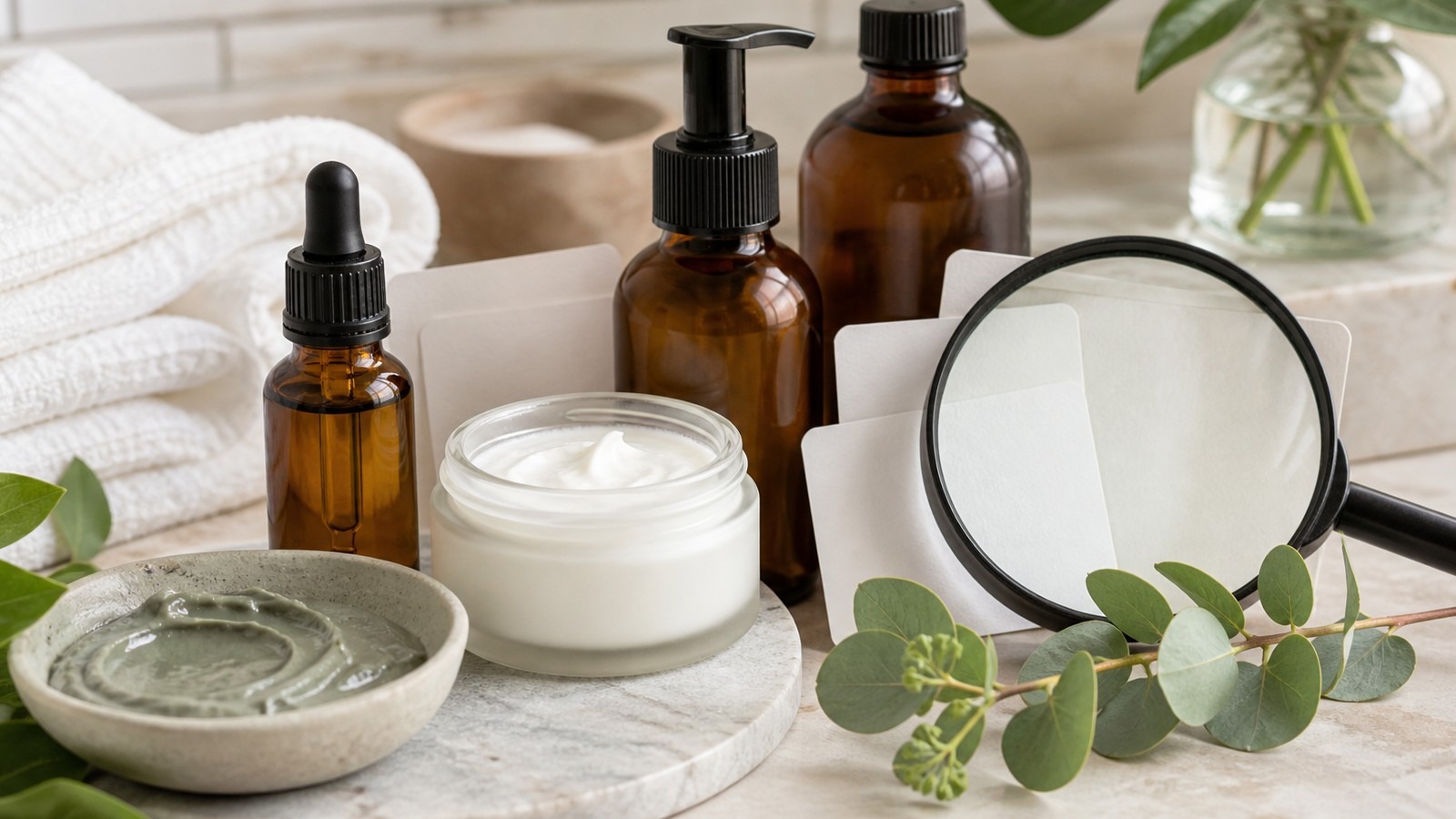
Natural skincare often arrives dressed in simplicity: amber bottles, green leaves, soft paper, earthy names. The formula inside may still be complex. It may include fragrance components, preservation systems, solubilizers, emulsifiers, colorants, waxes, gums, and extracts that have been processed in very specific ways.
That complexity is not automatically bad. Creams need emulsifiers. Water-based products need preservation. Oils need stability. The issue is whether the brand explains the chemistry honestly or lets natural styling do the talking.
This is why the word natural should start a conversation, not end it. A natural cleanser still needs surfactants. A natural lotion still needs an emulsion system. A natural mist still needs a preservation strategy. The chemistry is not the problem; undisclosed or romanticized chemistry is the problem.
Readers who understand that distinction become harder to mislead. They can appreciate botanical formulas while still asking whether the product is stable, hygienic, and appropriate for the skin area where it will be used.
Fragrance Can Be Disguised by Softer Words
Fragrance may appear as parfum, aroma, essential oil blend, natural scent, or individual fragrant components. These words do not all mean the same thing, but they can point to the same practical issue: scent materials that may bother sensitive skin.
People with reactive skin should be especially careful with leave-on natural skincare that smells strong. A product can smell like a spa and still be difficult for the barrier.
Natural brands sometimes use softer fragrance language: aroma, botanical scent, essential oil blend, natural perfume. Those phrases may sound gentler than parfum, but the skin still experiences fragrance chemistry. Sensitive skin may not care how poetic the wording is.
This matters because scent is often the hidden reason a natural product fails. A person blames an active, an oil, or a cleanser category when the repeated trigger may be the aromatic blend across several products.
Preservative Alternatives Still Matter
Natural skincare brands sometimes avoid traditional preservatives and use alternative systems instead. That can be fine when the system is properly designed, but it should not be vague. Water-based products need protection from microbial growth, even when the brand identity is botanical.
Watch for products that imply preservation is unnecessary. A natural cream in a jar still faces contamination from fingers, air, and bathroom humidity. Clean beauty should be honest about that reality.
Preservation is where natural skincare can become confusing. Some brands avoid familiar preservative names and use alternative systems that sound more acceptable to their audience. That can work, but the system still needs to protect the product through normal use.
A cream in a jar, a hydrating mist, or a gel cleanser is not protected by good intentions. If water is present, microbial risk exists. Natural skincare should be clear about how that risk is managed.
Short shelf-life claims can be legitimate, but they transfer responsibility to the user. If a product must be used within a few months, stored away from heat, or kept out of the shower, the brand should say that clearly. Natural skincare should not make safety depend on guesswork.
Essential Oils Are Chemistry Too
Essential oils are concentrated aromatic materials, not gentle plant water. They contain active fragrance components that can irritate or sensitize some users. The risk depends on the oil, concentration, product type, and the person’s skin history.
This is why a natural oil blend may be lovely for one person and uncomfortable for another. Botanical origin does not cancel the need for patch testing.
Essential oils are concentrated and chemically active. They may be beautiful materials, but they are not the same as placing a leaf in a jar. Their aromatic compounds can be potent, and potency can be a problem for reactive skin.
The dose and location matter. A tiny amount in a rinse-off body wash is different from a heavily scented facial oil worn under sunscreen. Natural skincare should not flatten those distinctions.
The issue is not that essential oils are forbidden. The issue is that they should be treated with the same seriousness as any other potent ingredient. A formula using them thoughtfully will consider dose, product type, skin audience, and the possibility that fragrance-sensitive users may need another option.
This is especially true for facial products meant for daily use. A scented mask used once in a while is different from a scented moisturizer layered twice a day under sunscreen and makeup.
Color and Texture Additives Can Be Overlooked
Natural skincare may use clays, mineral pigments, mica, starches, gums, waxes, and texture modifiers to create a beautiful product feel. These ingredients are not automatically bad, but they should be appropriate for the product’s purpose and clearly listed.
Texture can also hide heaviness. A natural balm may feel elegant at first but trap heat or clog certain skin types. The finished feel matters as much as the natural story.
Texture is part of the hidden chemistry story. A balm may feel silky because of wax structure. A mask may look earthy because of clay and mineral pigments. A cream may feel plush because of emulsifiers and thickeners. These ingredients shape the user experience even when they are not the marketing stars.
If a natural product feels unusually heavy, gritty, drying, or occlusive, pay attention. The issue may not be the hero botanical at all. It may be the texture system.
Texture ingredients are especially important in masks and balms because they can change how long the product clings to the skin. A clay mask that dries into a hard shell or a balm that traps heat may be telling you more than the botanical story on the label. That sensory evidence is worth taking seriously.
Extraction and Sourcing Change the Ingredient Story
A botanical extract is shaped by how it is grown, harvested, extracted, preserved, and transported. Two products can list the same plant name and still deliver very different experiences. This is why sourcing and supplier quality matter in natural skincare.
Brands that explain sourcing without romanticizing it are easier to trust. Vague language about ancient secrets or pure nature tells shoppers less than clear information about standards, testing, and traceability.
A plant name on a label is only the beginning. How the plant was grown, harvested, extracted, preserved, and standardized changes the final ingredient. Two chamomile extracts, for example, can differ meaningfully in quality and skin feel.
Sourcing claims should therefore be specific. A brand that mentions traceability, supplier standards, fair trade, or testing is giving the shopper more than atmosphere. A brand that leans only on purity language may be asking for trust it has not earned.
Sourcing also affects ethics. If a brand builds a story around a regional plant, oil, butter, or clay, shoppers deserve to know whether the communities connected to that material are being respected. Natural beauty should not borrow cultural romance while hiding the supply chain.
Extraction also affects consistency. A brand that uses a standardized extract may deliver a more predictable product than one relying on a vague plant infusion. Predictability matters for sensitive skin because the same product should not feel dramatically different from one batch to the next.
When brands avoid specifics, shoppers can ask better questions: Is the extract standardized, preserved, organic, fair trade, or tested for contaminants? Not every product needs every answer, but the willingness to answer is revealing.
Packaging Can Create Its Own Issues
Natural skincare is often sold in jars, droppers, and apothecary-style bottles. Those formats look beautiful, but they affect product hygiene and stability. A jar cream may need more careful use than an airless pump, and a delicate oil may degrade faster in heat or direct light.
A hidden chemical concern is sometimes really a handling concern. If a product changes smell, color, or texture, stop using it even if the label looks natural.
Packaging changes the chemistry over time. A delicate oil in clear glass may oxidize faster on a sunny counter. A jar cream touched daily may need careful hygiene. A dropper bottle can introduce air whenever it is opened.
Natural skincare shoppers often love apothecary packaging, but the most beautiful format is not always the most protective. Stability is part of safety.
That does not mean every product needs an airless pump. It means packaging should match the formula. A thick balm may be fine in a jar, while a fragile antioxidant serum may need better protection from light and air. When the package and formula disagree, the natural story starts to feel less trustworthy. The container is part of the ingredient experience.
Gloss Street’s Take
Natural skincare can be beautiful, but it should not ask shoppers to stop thinking. Look beyond the front label, notice fragrance language, respect preservation, and pay attention to how the product is packaged and used.
The safest natural products are not the ones with the prettiest plant story. They are the ones that are transparent, stable, well preserved, and suited to your skin’s actual tolerance.
Gloss Street’s take is that natural skincare should not pretend chemistry disappears when the label turns green. The best natural formulas are transparent about scent, preservation, sourcing, packaging, and shelf life.
That transparency does not make the product less natural. It makes the product more trustworthy.
A good natural product should be able to survive practical questions. How is it preserved? What creates the scent? How should it be stored? How long should it last? What happens if the oil smells different? Clear answers make the product feel safer, not less luxurious.
The best version of natural skincare is not chemistry denial. It is chemistry with better transparency.
There is nothing unromantic about a brand explaining its chemistry. In fact, clarity can make a natural product feel more beautiful because the shopper understands why it should be trusted. Mystery may sell the first jar, but transparency earns the second.
A natural routine should feel grounded. It can include plants, oils, minerals, and traditional materials while still respecting modern standards for preservation, stability, and skin tolerance. That balance is what makes natural skincare feel trustworthy after the first purchase and through months of repeat use in real bathrooms and travel bags too.