The Hidden Story of Hands
Your hands say more about you than you think. They reach, touch, hold, build, and comfort. They are the first to greet and the last to rest. Yet, while we lavish attention on our faces and hair, our hands are often neglected. They brave the sun, soap, cold, and constant contact — and they show it. Dryness, rough texture, redness, cracks, or early signs of aging are all telltale signs of dehydration. Hydration, often underestimated in hand care, holds the transformative power to elevate your hand health from dry and dull to silky and luminous. If you’ve ever admired someone’s soft, smooth hands and wondered about their secret, the answer is hydration — pure and simple. It’s not just about applying a hand cream once in a while. It’s about understanding what your hands need, how they lose moisture, and how to rebuild their barrier and radiance with consistent, targeted hydration.
A: Sun exposure, air conditioning, and frequent washing all contribute.
A: Right after washing and before bed are most effective.
A: Yes, but hand-specific formulas tend to be richer and faster-absorbing.
A: Light for day, richer for night gives the best of both worlds.
A: Try gel-based or quick-dry formulas with hyaluronic acid.
A: Absolutely! They deliver deep hydration in 15–20 minutes.
A: Yes—external hydration is just as critical as internal.
A: Yes. It strips natural oils—use lukewarm water instead.
A: Yes! Hydrated skin is for everyone, regardless of gender.
A: Apply moisturizer immediately while still damp.
What Happens When Hands Are Dehydrated?
Dehydrated hands are not just a cosmetic concern. The skin on the hands is thinner than on many other parts of the body and has fewer sebaceous (oil) glands, making it more susceptible to moisture loss. Exposure to frequent washing, harsh chemicals, UV radiation, and dry environments further strips away the skin’s natural moisture barrier. Without adequate hydration, the skin loses its elasticity and softness, becoming rough, flaky, and sometimes even painfully cracked.
Beyond discomfort, dehydrated hands can accelerate visible aging. Fine lines appear more pronounced, and age spots become more visible as the skin loses its plumpness. In severe cases, the skin can split, making it prone to infection. Hydration is not a luxury — it’s a necessity.
The Science Behind Hydration
Hydration works on multiple levels. On the surface, moisturizers create a protective barrier that prevents water loss and shields the skin from environmental aggressors. But the best hydration strategies go deeper. Ingredients like hyaluronic acid, glycerin, aloe vera, shea butter, ceramides, and urea work within the skin’s layers to draw in moisture, repair the lipid barrier, and soothe inflammation.
The outermost layer of skin, known as the stratum corneum, relies on a balance of lipids and water to remain healthy. When that barrier is compromised — either from harsh soaps or cold weather — water evaporates quickly, and the skin becomes dry and brittle. Replenishing that moisture and repairing the skin’s natural defense is key to achieving lasting softness.
Why Hands Need Special Treatment
Your hands are in constant motion and frequent contact. From washing dishes to typing on keyboards, using sanitizers to gripping steering wheels, hands are exposed to micro-damage all day long. While facial skin gets treated with serums, masks, and SPF, hands rarely receive the same level of care.
Additionally, since hands have a higher exposure rate to environmental stressors, they age faster. Over time, loss of collagen and elastin can make veins and tendons more visible. Hydration helps by maintaining the skin’s thickness, elasticity, and youthful glow. Incorporating hydrating products tailored to the hands — like hand masks, overnight gloves, or fast-absorbing balms — ensures they get the pampering they deserve.
The Role of Water: Internal and External
While topical hydration is crucial, internal hydration plays a silent yet powerful role. Drinking adequate water every day supports overall skin health. The skin, being the body’s largest organ, relies heavily on hydration from within to maintain cell function, repair, and resilience.
That said, water alone isn’t enough. It’s a partnership between drinking fluids, eating water-rich foods, and locking in moisture with topical care. Think of hydration as a layered ritual — what you put inside your body and what you apply outside work together to create supple, glowing hands.
Ingredients to Look For in Hand Hydration Products
Not all moisturizers are created equal. The best hand hydrators go beyond simple creams and dive into ingredients that actively treat, protect, and rebuild. Glycerin and hyaluronic acid are powerful humectants that draw moisture into the skin. Shea butter and cocoa butter provide emollient nourishment, smoothing rough textures. Ceramides and fatty acids restore the skin barrier, while panthenol (vitamin B5) and allantoin soothe irritation and redness.
Fragrance-free formulas are especially helpful for those with sensitive skin or eczema-prone hands. Look for fast-absorbing products that don’t leave greasy residue but still create a moisture shield that lasts through hand washes and daily wear.
Hydration Rituals That Transform
To unlock the full potential of hydration, consistency is key. One-time application won’t do the trick — hands need regular replenishment. Start with a rich hand cream after every hand wash, and keep travel-sized versions in your bag, car, or desk. At night, apply a deeply nourishing balm and cover your hands with cotton gloves to lock in moisture.
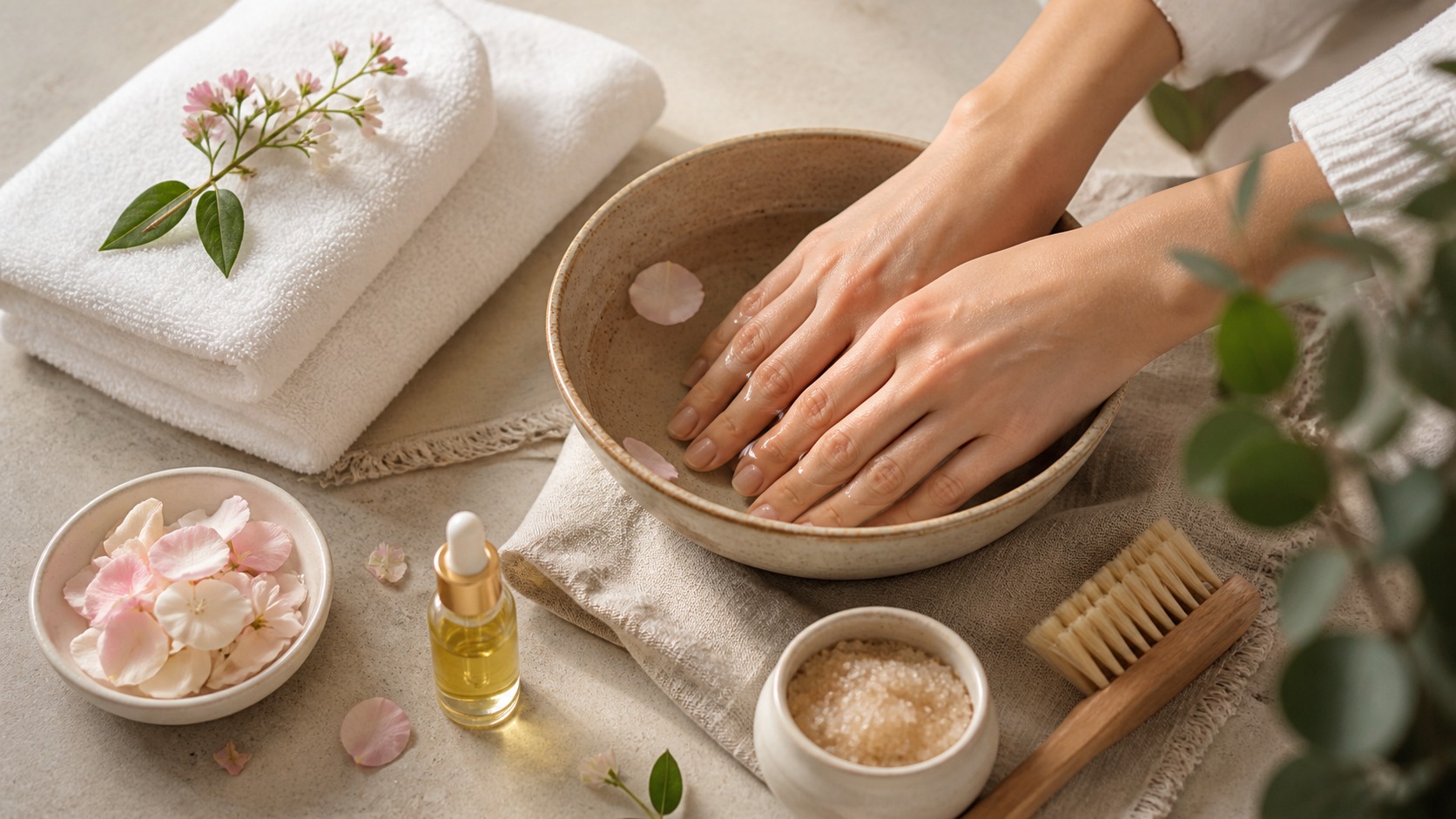
Once or twice a week, treat your hands to an exfoliating scrub to slough off dead skin cells, followed by a hydrating mask. This allows active ingredients to penetrate more deeply. Don’t forget your cuticles — a drop of oil each day keeps them soft and healthy, reducing hangnails and irritation.
Seasonal Shifts and Skin Needs
Just as you adjust your wardrobe for the seasons, your hand care should evolve with the weather. Winter brings cold air and dry heat indoors, both of which zap moisture from your skin. This is when thick, occlusive creams shine, offering intense barrier protection. In summer, lighter gels and serums with aloe and cucumber extracts provide hydration without heaviness, especially when UV exposure increases.
Environmental humidity, indoor heating, air conditioning, and wind all play a role in your hands’ hydration needs. Stay aware of your climate and tailor your products accordingly. Hydration isn’t static — it’s a flexible strategy that adapts to your environment.
Hydration as Anti-Aging: More Than Just Softness
One of the most powerful yet overlooked anti-aging tools is proper hydration. Plump, hydrated skin naturally looks younger. Fine lines are less visible, and the skin has a natural sheen that no highlighter can replicate. Collagen breakdown is slower in moisturized skin, meaning the signs of aging appear more gradually.
Some hand creams are now formulated with anti-aging ingredients like retinol, peptides, and antioxidants to tackle age spots, loss of firmness, and uneven tone. However, even without these actives, hydration alone can make a dramatic difference in how your hands look and feel.
When Hydration Becomes Healing
For those with skin conditions such as eczema, psoriasis, or contact dermatitis, hydration is more than beauty — it’s a form of healing. Medical-grade moisturizers that include colloidal oatmeal, ceramides, or prescription-strength ingredients can soothe inflammation and rebuild damaged skin.
Chronic dryness can create fissures in the skin, making everyday tasks painful. A targeted hydration routine not only eases discomfort but restores confidence and function. Whether you’re recovering from over-sanitizing or simply trying to maintain healthy skin, hydration plays a therapeutic role.
The Emotional and Sensory Side of Soft Hands
There’s something luxurious about the feeling of soft, moisturized hands. It’s a form of self-care that’s both practical and pleasurable. The act of massaging in cream, inhaling calming scents, or noticing a silkier texture brings joy and mindfulness into your routine. In a fast-paced world, pausing to care for your hands can be a small but meaningful ritual. Touch is a major form of human connection. Whether shaking hands, holding a child, or hugging a loved one, soft hands send a message of warmth, wellness, and intention. Hydration becomes not just a personal care act, but one that influences how you engage with the world.
The Ritual That Keeps on Giving
Incorporating hydration into your beauty ritual is easy — and the payoff is immediate. Silky hands aren’t a myth; they’re a choice. From barrier-protecting creams to hydrating oils and exfoliating treatments, the toolkit for hand hydration is vast and customizable. Start by building awareness. Notice when your hands feel dry or tight. Check for signs of cracking or irritation. Then make small changes: switch to a hydrating hand soap, keep lotion by your sink, or layer products for deeper nourishment. Over time, these micro-acts add up to long-term softness and strength.
The Power Is in Your Hands
Silky soft hands are not a luxury reserved for hand models or spa-goers. They are attainable, sustainable, and deeply rewarding. Hydration is your ultimate beauty secret — one that doesn’t rely on trends or technology, but on understanding and care. With the right routine, consistency, and attention, your hands can become a canvas of comfort, beauty, and resilience. Make hydration a non-negotiable part of your self-care. Because every time you reach for someone, open a door, or write your story, your hands tell the world who you are. Let them be soft. Let them be strong. Let them be hydrated — and always ready to make an impressio