DIY Acne Care Should Calm the Skin, Not Wage War on It
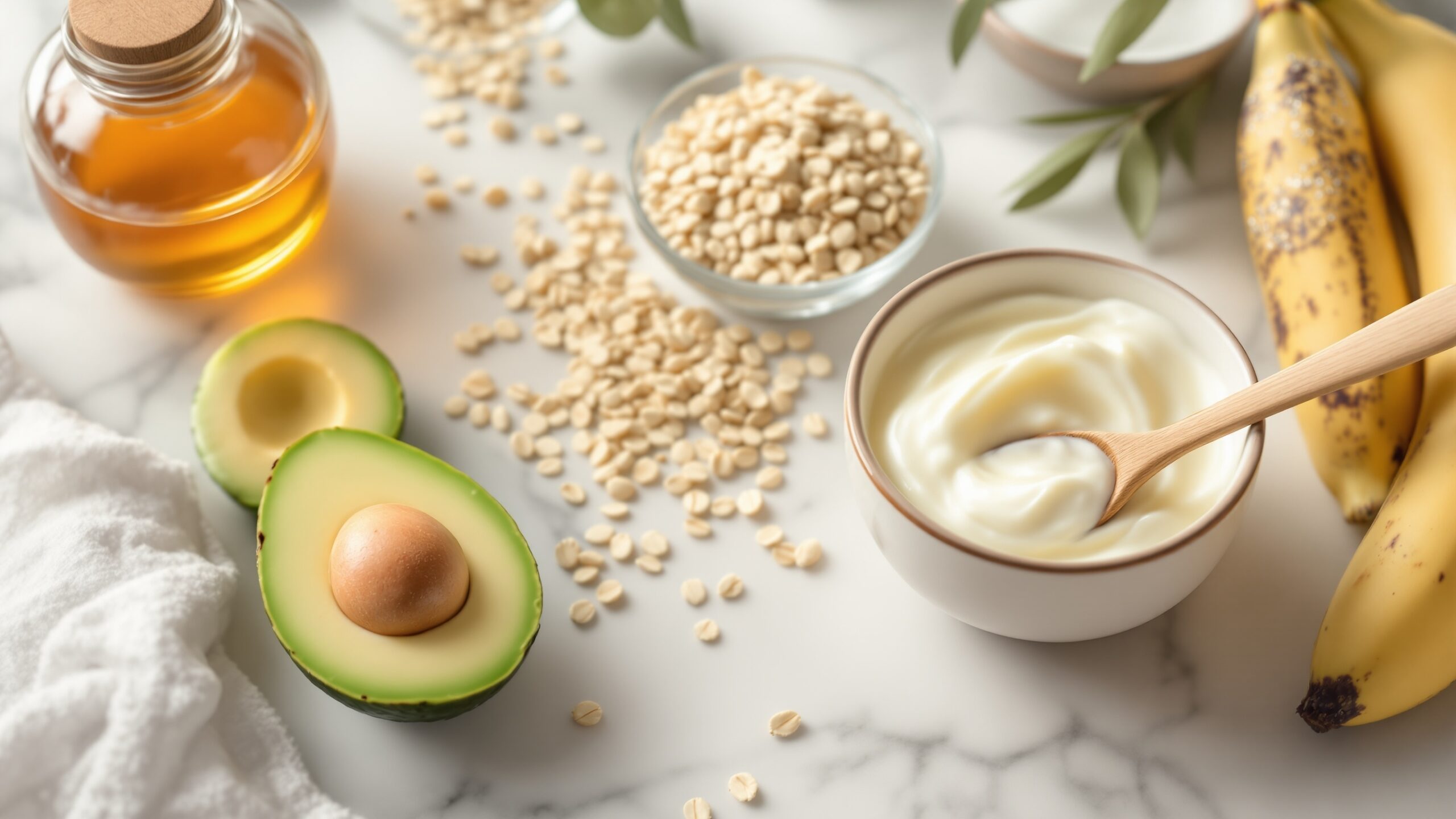
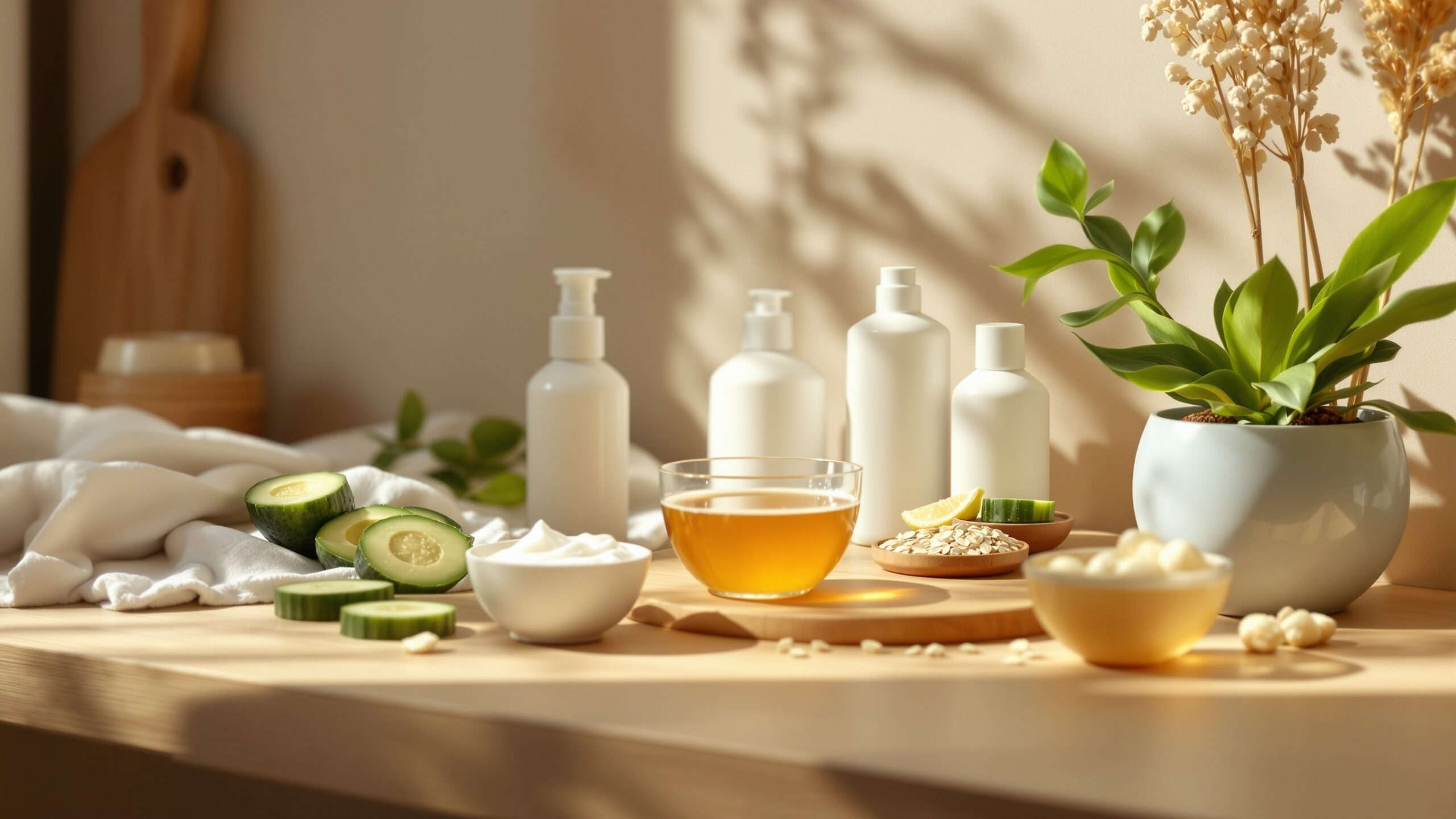
Natural ingredients can support acne-prone skin when they are used gently, but DIY acne care is also where bad internet advice gets loud. Toothpaste, lemon juice, baking soda, harsh scrubs, and undiluted essential oils can make a breakout feel like an emergency project and leave the barrier more irritated than before. The safer goal is modest: calm the look and feel of angry skin, avoid picking, reduce friction, and support a simple routine. DIY remedies are not replacements for proven acne treatments or dermatology care, but gentle ingredients such as aloe, green tea, honey, and oats may help some people care for skin without adding more stress.
A: No. They may support comfort, but persistent acne often needs proven treatments or professional care.
A: Plain aloe may calm the feel of irritated skin, but it is not a stand-alone acne treatment.
A: No. Lemon juice can sting, irritate, and increase sun sensitivity.
A: It may suit some people briefly, but avoid it on open or picked spots and patch test first.
A: No. Oats should be soft and soothing, not used as a gritty acne scrub.
A: A fresh cooled compress can be soothing, but homemade liquids should not be stored like skincare.
A: It is natural, but undiluted tea tree oil can irritate and should be used cautiously.
A: Yes. A light moisturizer can help the barrier tolerate acne treatments better.
A: Stop when burning, swelling, worsening redness, or painful irritation appears.
A: Use gentle ingredients briefly, avoid harsh hacks, and let proven treatments handle stubborn acne.
Acne Needs Calm More Than Punishment
Acne-prone skin is often treated as if it needs to be dried into obedience. That mindset creates problems. When the barrier becomes irritated, the skin can feel tight, sting, flake, and look redder. Breakouts may appear more obvious because the surrounding skin is inflamed. A DIY remedy that burns may feel active, but activity is not the same as help.
Gentle acne care focuses on reducing unnecessary irritation. That means avoiding aggressive scrubs, strong kitchen acids, and spot treatments that were never designed for skin. It also means keeping hands off pimples, changing pillowcases, cleaning makeup tools, and using a basic cleanser and moisturizer.
Natural ingredients can fit into that calm approach when they are bland, brief, and patch tested. They should support the routine, not replace every proven acne tool.
If acne is painful, cystic, scarring, widespread, or emotionally distressing, professional care matters. DIY remedies have limits.
This calm approach can be hard to accept because acne feels urgent. A painful bump can make a person want to do something dramatic immediately. But acne-prone skin often remembers harsh treatment long after the breakout starts to fade. Irritation can lead to peeling, darker marks, and a cycle of more products used to fix the damage.
DIY support works best when it lowers the temperature of the routine. A cool compress, a plain aloe layer, or a soft oat rinse may not look exciting, but the absence of extra irritation is the benefit.
A helpful test is how the skin looks the next morning. If a DIY step leaves the area flatter, calmer, and less tempting to pick, it may have a place. If it leaves tightness, peeling, or extra redness, the routine needs less, not more.
Aloe Can Help Skin Feel Less Angry
Plain aloe gel can feel cooling on skin that looks irritated around breakouts. The key word is plain. Many green gels include fragrance, dye, alcohol, or other additives that are not ideal for acne-prone or sensitive skin. Choose a simple formula or carefully prepared fresh aloe, and patch test first.
Use a thin layer instead of a thick sticky coat. Let it sit briefly or use it under a light moisturizer if your skin tolerates it. If aloe stings, rinse it off and do not force the ingredient because it has a soothing reputation.
Aloe is not an acne cure. It may help the skin feel calmer while your actual acne routine does its work.
Aloe also needs clean handling. If you use fresh aloe, wash the leaf, use clean tools, and avoid saving gel for long periods unless you know how to store it safely. A contaminated natural ingredient is not gentle just because it came from a plant.
Green Tea Makes a Better Compress Than a Miracle Toner
Green tea is often discussed in acne care because it feels gentle and refreshing. A cooled green tea compress can be a low-drama way to soothe the look of stressed skin. Brew plain green tea, let it cool completely, use a clean cotton pad or cloth, and keep the contact brief.
Do not leave homemade tea sitting on the counter for days. Fresh mixtures can grow microbes, and acne-prone skin does not need questionable liquids applied repeatedly. Make a small amount, use it cleanly, and discard the rest.
A green tea compress should not be layered with every active in your routine. If you use benzoyl peroxide, salicylic acid, adapalene, or prescription treatments, keep DIY steps simple so the skin is not overwhelmed.
The point is comfort. If the compress makes the face feel sticky, itchy, or warmer, skip it.
Temperature matters more than people think. A hot compress can worsen redness, while an icy one can shock sensitive skin. Cool or room-temperature green tea is the safer middle ground for most at-home use.
Honey and Oats Are Gentle Only When Used Correctly
Honey and oats can be tempting because they feel soft and familiar. For acne-prone skin, they should be used carefully. A thin honey mask or a very soft oat mixture may feel calming, but neither should be scrubbed into inflamed bumps. Friction can make active acne angrier.
Use plain ingredients, short contact time, and a gentle rinse. Avoid sugar, cinnamon, lemon, spices, and gritty particles. A mask that requires hard rubbing to remove is not acne-friendly.
Oats may be useful when the skin feels irritated from acne treatments. Honey may feel cushioning for some people. Still, acne-prone skin varies. What feels calming for one person may feel too sticky, heavy, or reactive for another.
Patch testing is especially important if you are acne-prone and sensitive. Try a small area first, then decide whether the ingredient belongs anywhere near a breakout.
If a remedy leaves clogged-feeling residue, do not repeat it. Natural does not always mean right for your pores.
Removal is the moment to be most careful. If a mask dries down or clings to active breakouts, soften it with water before wiping. Pulling at a pimple can create more irritation than the mask was worth.
Avoid the Harsh Acne Hacks
The avoid list matters more than the remedy list. Lemon juice can sting and increase sun sensitivity. Baking soda can disrupt skin pH. Toothpaste can irritate and dry the surrounding skin. Cinnamon can burn. Salt and sugar scrubs can tear at inflamed areas. Undiluted tea tree oil can be too strong for many faces.
These hacks are popular because they promise speed. Acne makes people impatient, and a painful bump can make any dramatic trick sound reasonable. But a harsh spot treatment can leave redness, peeling, dark marks, or barrier damage after the pimple itself would have calmed.
A good DIY rule is simple: if you would not comfortably apply it to the surrounding healthy skin, do not put it on an inflamed pimple.
Moisturizer Still Belongs in Acne Care
People with acne often skip moisturizer because they fear clogged pores. That can backfire, especially when acne treatments or harsh remedies dry the skin. A light, non-heavy moisturizer can help keep the barrier steady so the skin tolerates treatment better.
DIY remedies should end with a routine that protects the barrier. After a compress or rinse-off mask, use a moisturizer that already works for you. This prevents the skin from swinging between sticky kitchen care and stripped dryness.
Sunscreen matters too. Breakouts and irritation can leave marks, and UV exposure can make those marks linger. A natural DIY routine that ignores sunscreen is incomplete.
Choose boring support steps. Acne care is already complicated enough without adding ten experimental mixtures.
Moisturizer choice matters. A heavy balm may not suit oily, acne-prone skin, while a light gel-cream or lotion may give enough comfort without feeling greasy. The goal is not to smother breakouts; it is to keep the surrounding skin resilient enough to tolerate treatment.
When the barrier is steady, proven acne treatments are often easier to use consistently. That is one reason gentle support steps can matter even when they are not treating acne directly.
Do not judge moisturizer only by whether it feels matte in the first minute. Watch how the skin behaves after several hours and the next morning. A good acne-friendly moisturizer should support comfort without making the face feel coated.
Use DIY Support Alongside Proven Acne Tools
Natural remedies may support comfort, but proven acne ingredients have a different role. Benzoyl peroxide, salicylic acid, adapalene, azelaic acid, and prescription options have evidence and clear use patterns. If you already use one, do not bury it under multiple DIY experiments.
The smartest approach is to keep the treatment routine stable and use gentle DIY steps only when they do not interfere. A cooled green tea compress on an off night may be reasonable for some people. A honey mask layered over active treatments and scrubbed off aggressively is not.
Track timing. If your skin gets worse, simplify back to cleanser, moisturizer, sunscreen, and the acne treatment you know. Add one supportive step only after the skin settles.
Acne routines improve through consistency more often than surprise. A gentle natural ingredient can help only if it makes the routine easier to repeat.
If you are unsure whether a DIY step conflicts with a prescription, ask a professional. The internet is not the best place to mix treatment plans.
Spacing is important. If you use a retinoid at night, that may not be the best moment for a homemade mask. If benzoyl peroxide leaves you dry, a gentle moisturizer may be more useful than adding honey, oats, tea, and aloe all in the same evening. Acne care improves when every step has a reason.
Think of natural remedies as rest stops in the routine. They can make irritated skin feel more comfortable between treatment nights, but they should not crowd out the steps that are actually controlling acne.
That separation keeps the routine readable. If acne improves, worsens, or becomes irritated, you have a better chance of knowing whether the treatment, the remedy, or the timing caused the change.
Gloss Street’s Take
DIY remedies for acne using natural ingredients should be humble. Aloe, green tea, honey, and oats may support comfort for some people, but they should not be treated like miracle cures or used to punish the skin.
The safest DIY acne strategy is to avoid harsh hacks, keep contact time short, patch test, moisturize, and let proven treatments do the heavy lifting when acne needs more than comfort care.
Natural acne care is best when it makes the skin feel calmer tomorrow, not when it creates a dramatic sting tonight.
The best DIY acne remedy may be the one that keeps you from doing something harsher. If a cool compress helps you avoid picking, or aloe makes dryness less distracting, that is a real win even if the ingredient is not a cure.
Respect the difference between comfort care and treatment. Natural ingredients can support the skin, but stubborn acne deserves tools with stronger evidence and, when needed, professional help.
A calm routine is not a weak routine. For acne-prone skin, restraint can be the difference between steady progress and a cycle of irritation that keeps every breakout looking worse.
That is especially true when the breakout is already sore. Gentle support should lower irritation, not add another problem for tomorrow or the next morning either.