Shea Butter Is Famous Because It Feels Like Rescue
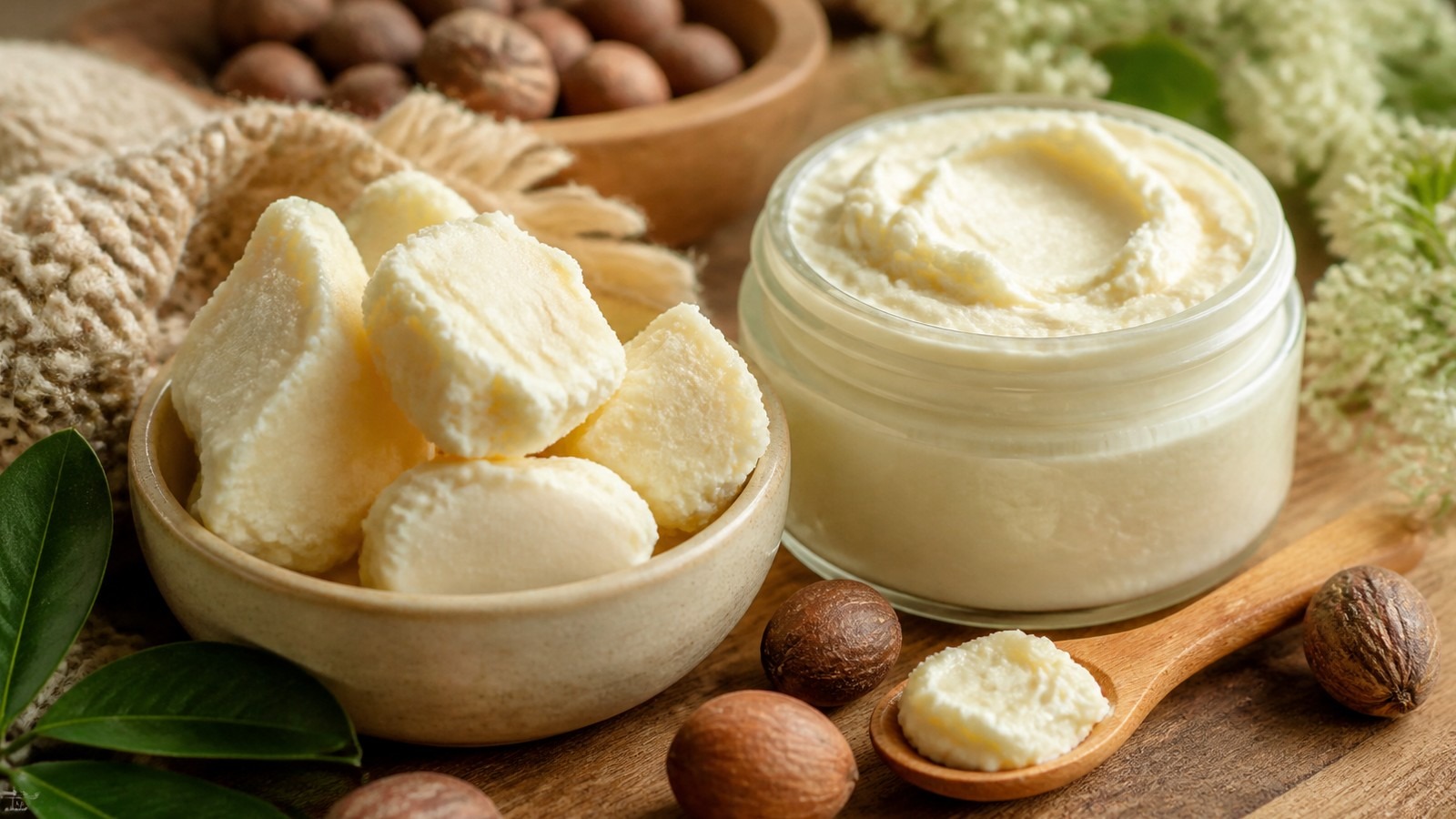
Shea butter has the kind of reputation most moisturizers wish they had: rich, comforting, traditional, and immediately recognizable by texture. It comes from the nut of the shea tree, long used in parts of Africa for skin, hair, and body care. In modern beauty, shea butter appears in body creams, lip balms, hand treatments, hair masks, baby products, and barrier-repair formulas. Its appeal is not mysterious. Shea butter softens roughness, cushions dry skin, slows water loss, and gives products a dense, nourishing feel. The key is knowing where it shines, where it can feel too heavy, and how to choose a formula that respects both the ingredient and your skin.
A: It is mainly an emollient and occlusive, so it softens and helps seal moisture.
A: Some dry skin tolerates it, but oily or acne-prone skin should be cautious.
A: Not always. Unrefined is less processed, while refined may smell and feel smoother.
A: It depends on your skin and the formula.
A: Yes for some dry or textured hair, especially on ends.
A: It can help, especially with humectants and occlusives.
A: No. It has no reliable SPF role.
A: Natural fats can crystallize, especially in raw or poorly tempered products.
A: Yes, shea butter is plant-derived.
A: Apply it where richness is needed, especially after hydration or before bed.
What Shea Butter Actually Does
Shea butter is primarily an emollient and occlusive ingredient. That means it smooths the surface of dry skin and helps reduce water loss by leaving a protective layer. It does not hydrate in the same way a humectant like glycerin does, but it helps keep existing moisture from escaping.
This is why shea butter works beautifully after bathing, handwashing, or applying a lighter hydrating product. It seals comfort in. On very dry body skin, that sealing quality can make the difference between skin that feels moisturized for ten minutes and skin that stays flexible for hours.
That combination makes shea especially valuable in formulas meant to comfort rather than transform. It is not an exfoliant, brightener, or collagen treatment. It is a richness builder. When a product promises softness, protection from dryness, or a cocooning finish, shea can be one of the ingredients that makes the promise feel real on contact.
Why Dry Body Skin Loves It
Body skin often tolerates richer textures than facial skin. Legs, elbows, knees, feet, and hands can benefit from shea butter’s cushion, especially in cold weather or after shaving. It is particularly useful when skin feels rough rather than simply dehydrated.
Body skin also gives richer ingredients more room to succeed. A dense balm on the cheeks may feel like too much, but the same richness on shins, heels, elbows, or hands can feel exactly right. The larger surface area and tougher texture of body skin make shea butter feel practical rather than heavy.
Refined vs Unrefined Shea
Unrefined shea butter keeps more of its natural scent, color, and raw texture. Some people love that earthy authenticity. Others find the scent strong or the texture grainy. Refined shea is processed to create a more neutral smell, lighter color, and smoother cosmetic feel.
Neither version is automatically better. Unrefined may appeal to people who want a less processed ingredient, while refined may work better in elegant formulas or fragrance-sensitive routines. The finished product matters more than the romance of the label.
Texture expectations matter here. Someone who loves raw body butters may enjoy the dense, earthy feel of unrefined shea, while someone trying to use a hand cream at a desk may prefer a refined formula that sinks in faster. The beauty of shea is not that one version is universally superior. It is that the ingredient can be adapted for different rituals, from a thick night balm to a polished lotion that works under clothes.
Face Use Requires Judgment
Some dry faces enjoy shea butter in small amounts, especially in moisturizers designed to balance richness with other ingredients. Other faces find it too heavy, especially if they are oily or acne-prone. Shea butter is not universally pore-clogging for everyone, but its richness can be too much in the wrong formula.
If you want to try shea on the face, start with a formulated moisturizer rather than raw butter. Patch test, use a small amount, and watch for congestion or heaviness.
Facial use depends on the whole formula. Shea inside a balanced cream with humectants, lighter emollients, and a pleasant finish is different from pressing raw butter over every serum. The first may be elegant for dry skin; the second may overwhelm skin that clogs easily. This distinction matters because ingredient reputations often ignore dosage and product design.
If your face loves richer creams, shea can be comforting around dry cheeks or during winter. If your skin is oily, congested, or prone to closed comedones, keep shea-heavy textures away from the T-zone at first. Let your own pattern matter more than ingredient folklore.
Hands and Feet Are Prime Territory
Shea butter belongs in hand creams and foot balms because those areas face repeated friction, washing, and dryness. At night, a shea-rich cream under cotton socks or gloves can help rough skin feel softer by morning. The texture that feels too heavy for daytime can be perfect while you sleep.
For cracked heels or rough knuckles, shea works best with humectants and occlusives. Glycerin pulls water in, shea softens, and petrolatum or waxes can seal severe dryness.
These areas also show shea butter at its most practical. Hands are washed, sanitized, exposed to weather, and used constantly. Feet carry pressure and friction all day. A lightweight face moisturizer may feel elegant but disappear too quickly on those tougher zones. Shea-rich formulas linger long enough to make a difference, especially when applied while the skin is still slightly damp or just before rest.
Hair Uses Depend on Texture
Shea butter can soften and protect textured, curly, coily, or very dry hair, especially on ends. It can also weigh down fine or oily hair quickly. In hair care, amount matters. A pea-size quantity can polish ends; a heavy scoop can turn softness into buildup.
For hair, shea is best understood as a finishing or sealing ingredient rather than a universal conditioner. Coily and very dry textures may appreciate its weight, especially on ends that need protection. Fine hair may collapse under the same amount. The question is not whether shea is good for hair; it is whether your strand thickness and styling routine can use that much richness.
The Sustainability and Sourcing Story Matters
Shea butter has a cultural and economic story, especially for women-led cooperatives in shea-producing regions. Beauty brands often reference this heritage, but respectful sourcing requires more than poetic language. Look for brands that discuss fair trade, cooperative partnerships, traceability, or supplier standards.
An ingredient spotlight should not flatten a living tradition into a marketing phrase. Shea butter deserves appreciation for its performance and for the communities connected to its production.
The sourcing story should be handled with specificity rather than decorative language. Phrases about ancient secrets or exotic origins can sound flattering, but they do not tell shoppers whether producers are paid fairly, whether cooperatives have stable partnerships, or whether a brand is investing in communities connected to the ingredient. Shea butter’s heritage deserves more than a romantic label. It deserves transparent sourcing and respect for the people who make the supply chain possible.
When Shea Butter Is Too Much
If a product leaves your skin sticky, traps heat, or creates bumps, it may be too rich for that area. Shea-heavy formulas can also interfere with makeup if applied under foundation too generously. Richness is a feature only when the skin wants it.
Use shea strategically: body at night, hands after washing, lips in dry weather, feet under socks, hair ends when they feel brittle. You do not need it everywhere.
Season can change the answer. A shea-heavy balm that feels perfect in January may feel suffocating in July. A body butter that saves your legs after a winter shower may be too rich before a humid commute. Instead of declaring shea good or bad, match it to climate, body area, and timing. Rich ingredients behave best when they are used with intention.
Application amount is often the difference between comfort and frustration. A thin layer can make hands feel protected; a thick layer can leave phone screens greasy. A small dab can soften cuticles; a scoop can sit on top of the skin. Shea rewards restraint because its texture continues to spread as it warms.
How to Layer Shea Butter
Shea butter works well after water-based hydration. Apply lotion or cream to slightly damp skin, then use a shea-rich balm on the driest areas. On lips, apply before bed for comfort. On hands, apply after washing or before gloves. On hair, use it as a finishing touch rather than a scalp coating unless your routine specifically calls for it.
For body routines, timing helps. Apply lotion first when the skin still has water from a shower, then use shea-rich balm only on the roughest areas. This keeps the routine from feeling uniformly heavy. It also uses shea for its strongest role: sealing and softening after hydration is already present.
Why It Remains a Beauty Staple
Trends come and go, but shea butter persists because the sensory payoff is immediate. Dry skin feels coated, rough areas feel smoother, and formulas gain a plushness that shoppers recognize. It is not the lightest ingredient or the flashiest active. It is a dependable comfort ingredient.
Gloss Street’s shea butter rule is simple: use it where skin needs richness, respect its sourcing story, and let the finished formula decide whether it belongs on your face, body, lips, hands, or hair.
Shea also persists because it is easy to understand on contact. Some ingredients require weeks of trust before results are visible. Shea gives an immediate sensory signal: slip, cushion, softness, and reduced roughness. That does not make it a high-tech active, but it makes it deeply useful. In a beauty market full of complicated claims, a dependable comfort ingredient can feel refreshingly honest.
The Best Shea Products Feel Purposeful
A good shea product should not feel like raw heaviness disguised as luxury. It should have a clear purpose: balm, body butter, hand cream, lip repair, or hair softener. When the purpose is clear, shea butter feels less like a trend ingredient and more like a practical tool for dry skin.
Purposeful shea products also communicate where they belong. A hand cream should absorb enough to let you touch things. A foot balm can be heavier because socks can do the finishing work. A lip balm should feel protective without tasting waxy. A hair butter should explain which textures it serves. Clear use cases make a rich ingredient easier to love.
How to Decide Whether Shea Belongs in Your Routine
Choose shea when the problem is roughness, friction, or a dry protective feeling that disappears too quickly with lighter lotions. Skip or limit it when the problem is clogged pores, sweaty skin, fine hair weighed down by product, or makeup that slides over rich cream. That decision can change by season, body area, and time of day.
The best use is often targeted rather than everywhere. Shea on heels, hands, lips, elbows, or dry hair ends can be wonderful while the face may need something lighter. When you stop treating it as an all-purpose miracle and start treating it as a rich comfort ingredient, it becomes easier to use well.
That is why shea butter remains a staple instead of a novelty. It does not need exaggerated promises. It simply needs the right place in the routine.