Rosehip Oil Is Retinol’s Softer Cousin, Not Its Twin
Rosehip oil is often described as nature’s retinol alternative, which sounds romantic and slightly misleading. It does not behave like a prescription retinoid, and it will not remodel skin the same way a well-formulated retinol can. What it can do is support a softer, smoother, more radiant-looking barrier through essential fatty acids, antioxidants, and naturally occurring vitamin A-related compounds. That makes rosehip oil appealing for people who want glow, comfort, and gradual tone support without jumping straight into stronger actives. The key is understanding its strengths honestly: it is a nourishing facial oil with benefits, not a botanical duplicate of retinol.
A: No. It contains vitamin A-related compounds but does not act like a true retinoid.
A: It may soften the look of dryness, but retinoids have stronger evidence.
A: Some people tolerate it well; others break out, so patch test.
A: Often yes on alternate nights or over moisturizer, but watch irritation.
A: Usually at night after water-based layers or moisturizer.
A: It may support tone gradually, but sunscreen is essential.
A: Start with one to three drops.
A: It may be oxidized or rancid; stop using it if the scent changes sharply.
A: Sometimes, but botanical oils can still irritate.
A: Softer, smoother, more luminous-looking skin when the formula is fresh and tolerated.
What Rosehip Oil Is
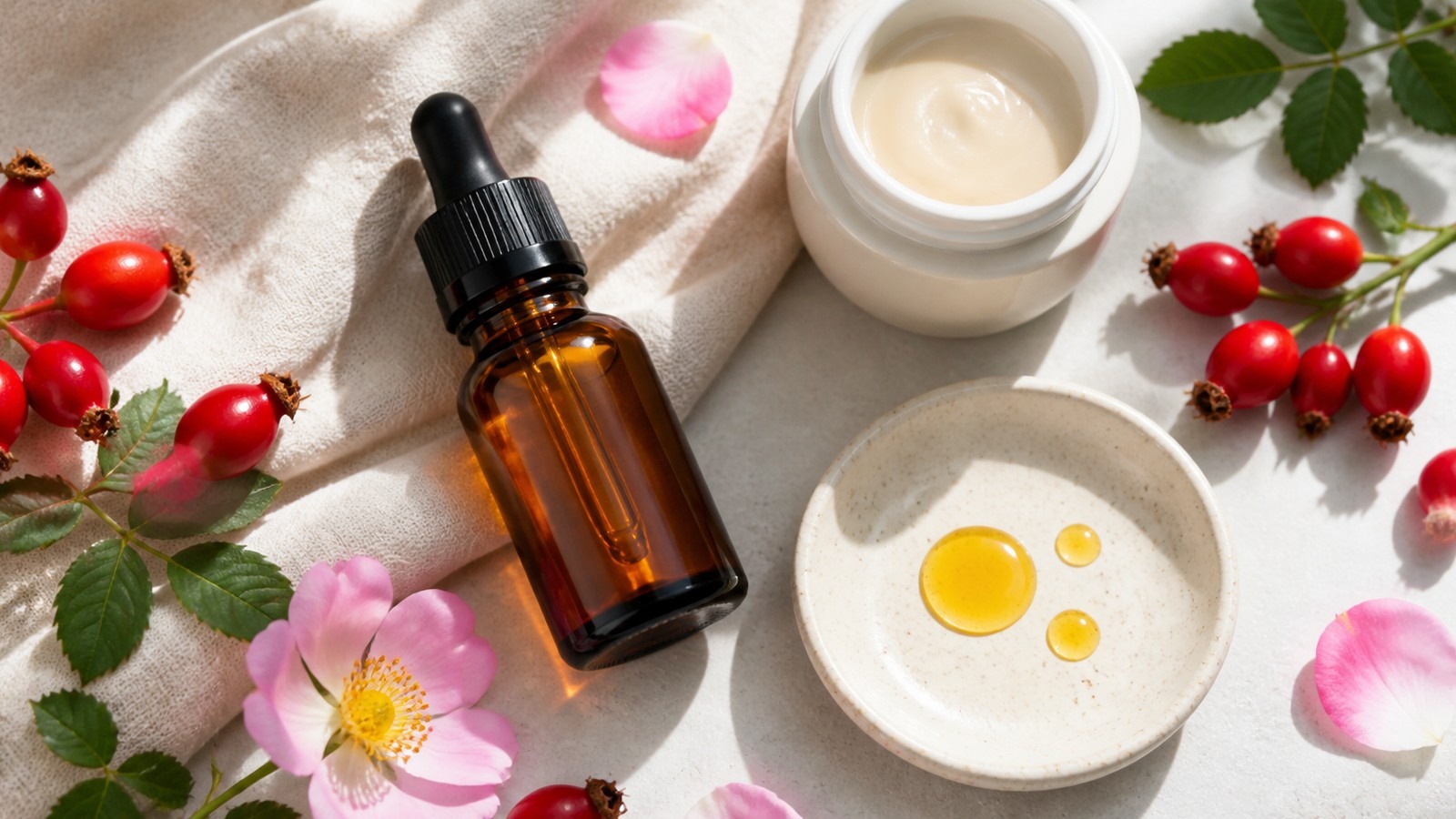
Rosehip oil is pressed from the seeds of rosehips, the fruit left behind after certain roses flower. It is naturally rich in fatty acids, especially linoleic and linolenic acids, along with antioxidant compounds. Its color can range from golden to deep orange depending on processing and source.
In skincare, rosehip oil is used as a facial oil, moisturizer booster, scar-care support, and glow ingredient. Its appeal comes from the way it softens without feeling as heavy as many richer oils.
The pressing and freshness of the oil shape the experience. A good rosehip oil usually feels smooth, slightly dry for an oil, and easy to spread in a tiny amount. If it smells sharply stale or feels unusually sticky, the issue may be oxidation or poor storage rather than the ingredient itself. With delicate oils, quality control is part of the benefit.
Why People Compare It to Retinol
Rosehip oil contains naturally occurring compounds related to vitamin A, which is why the retinol comparison appears so often. The comparison is understandable, but it needs boundaries. Retinol is a specific active ingredient with more direct evidence for fine lines, cell turnover, and collagen support. Rosehip oil is a botanical oil with supportive nutrients.
The comparison can be useful only if it points to gentleness, not equivalence. Retinol asks the skin to adapt; rosehip oil mostly asks the skin to accept nourishment. One is an active treatment category, the other is a supportive oil. Confusing them can lead someone to expect dramatic line reduction from rosehip or to fear it unnecessarily as if it carried the same irritation risk as stronger retinoids.
Barrier Support Is the Real Benefit
The most reliable benefit of rosehip oil is barrier comfort. Its fatty acid profile can help dry or depleted skin feel more flexible. When the barrier is supported, the skin often looks smoother and more luminous because roughness and dehydration are less obvious.
This does not mean rosehip oil hydrates by itself. Oils do not add water. They help soften and reduce moisture loss. Use rosehip over a hydrating serum or moisturizer if your skin needs both water and oil.
This is why rosehip oil often suits routines that have become too ambitious. When skin is tight from exfoliating acids, retinoids, weather, or over-cleansing, another strong active is not always the answer. A few drops of a fresh, well-tolerated oil can make the routine feel more forgiving while the barrier settles. That comfort benefit is modest, but it is real when the skin needs softness more than stimulation.
Tone and Glow Improve Gradually
Rosehip oil may help uneven-looking tone appear softer over time, especially when dryness and dullness are part of the issue. The glow is usually subtle and gradual. It comes from better surface smoothness and light reflection, not from peeling the skin like a strong exfoliant.
For dark spots or melasma, sunscreen remains essential. Rosehip oil without SPF is not a brightening plan. It is a support step.
The glow story is also different from instant highlighter shine. Rosehip oil can make dry texture look calmer, which changes how light moves across the face. It may help a routine look healthier because the surface is less rough and less depleted. That kind of improvement does not photograph like a dramatic before-and-after, but it can make bare skin feel easier to live with.
For uneven tone, rosehip works best as part of a wider routine. Sunscreen prevents new discoloration from deepening, gentle exfoliation may help texture if tolerated, and rosehip can support comfort so the routine stays consistent. It is not the loudest product in that lineup, but it can make the skin feel less stripped while other steps do their work.
Acne-Prone Skin Needs Patch Testing
Rosehip oil is often marketed as suitable for acne-prone skin because it is relatively high in linoleic acid compared with some heavier oils. Some people with breakout-prone skin enjoy it. Others break out from facial oils in general. The only honest answer is to patch test and introduce it slowly.
Patch testing should be slow and slightly boring. Try a small amount along the jaw or on one cheek for several nights before using it everywhere. Watch for small clogged bumps as well as obvious irritation. If your skin tolerates it, rosehip may become a useful comfort step. If it does not, that does not make the oil bad; it means your skin prefers another texture.
How to Layer Rosehip Oil
Apply rosehip oil after water-based serums and moisturizer, or mix one drop into moisturizer if you want a lighter feel. Start with one to three drops. More oil does not mean better results; it usually means a shinier pillowcase.
At night, rosehip can seal in comfort. In the morning, it may work for dry skin under sunscreen if used sparingly, but too much can make SPF slide or pill. Let texture guide timing.
Layering becomes especially important if you use actives. Rosehip oil can be placed on non-retinoid nights, used after a gentle moisturizer, or applied only to dry zones instead of the entire face. If your routine already includes exfoliating acids, vitamin C, or retinoids, keep rosehip simple and watch how the skin responds. It should add comfort, not turn the routine into a slippery stack of products.
Storage Matters
Rosehip oil is more delicate than many people realize. Light, heat, and air can degrade oils over time. Choose dark glass when possible, close the bottle tightly, and store it away from direct sun. If the oil smells rancid or changes dramatically, do not keep using it.
Freshness is part of performance. A beautiful botanical oil can become irritating if it oxidizes.
Storage is also where many people accidentally shorten an oil’s life. A pretty bottle left on a sunny vanity may look beautiful but age faster. Keep rosehip oil away from heat, wipe the dropper if it touches skin, and avoid leaving the cap loose. These small habits preserve the fresh oil you paid for.
If you use facial oils slowly, buy a smaller bottle. A giant bottle is not a bargain if it turns before you finish it.
Who May Prefer Rosehip Over Retinol
People who cannot tolerate retinoids, are easing into active skincare, or mainly want softness may prefer rosehip oil. It can also be useful during barrier-repair periods when stronger actives are paused. It is not the same category of treatment, but that can be the point.
If your goal is significant wrinkle improvement, acne control, or proven retinoid results, rosehip oil may not be enough. It can sit beside stronger treatments in some routines, but it should not be oversold.
There are also moments when rosehip is useful even for people who normally tolerate retinol. Travel, cold weather, illness, over-exfoliation, or a damaged barrier can make an active routine feel suddenly too much. Rosehip oil can fill the emotional gap of doing something nourishing without pushing the skin harder. That makes it less of a replacement and more of a strategic pause.
When Not to Use It
Avoid rosehip oil if it repeatedly causes bumps, itching, or irritation. Be cautious if you are allergic to rose-family botanicals. Do not apply it over active rashes or broken skin without professional guidance. If you use prescription acne treatments, ask whether facial oils fit your plan.
The Honest Rosehip Promise
Rosehip oil can make skin feel softer, look more luminous, and recover from dryness with a little more grace. It may support the look of smoother tone when paired with sunscreen and a steady routine. It will not replace retinoids for everyone, and it should not be sold as a miracle.
Gloss Street’s rosehip rule is simple: use it as a nourishing support oil, not as a retinol impersonator. When expectations are realistic, rosehip oil becomes much easier to appreciate.
The most satisfied rosehip users are usually the ones who buy it for the right reason. They want a lightweight oil, a softer finish, and a supportive step that plays well with a calm routine. They are not expecting it to erase deep lines or replace a dermatologist plan. With that expectation, rosehip oil feels generous rather than disappointing.
A Better Name Would Be Retinol Companion
For many routines, rosehip oil is better understood as a retinol companion or retinol pause product. It can comfort skin on nights without stronger actives, soften dryness around treatment routines, and add glow when the barrier feels depleted.
That role is less flashy than nature’s retinol, but it is more accurate.
Companion is the more useful word because rosehip can make an active routine feel less harsh without pretending to do the same job. On nights when retinol is paused, it can offer the satisfaction of a treatment-like step while keeping the routine calm. That emotional value matters; people are more consistent with routines that feel pleasant.
It can also sit at the edges of a retinoid routine, such as around dry areas or over moisturizer when the skin needs extra softness. Used this way, rosehip oil supports the skin’s tolerance instead of competing with the treatment.
How to Judge Your Results
Judge rosehip oil by comfort, softness, and steady glow, not by the standards of a prescription-strength active. After two to four weeks, skin should feel less dry or more flexible if the oil suits you. The surface may look smoother because roughness is calmer. Fine lines caused by dehydration may look softer, while deeper lines will likely need stronger treatment if that is your goal. Take the comparison photos in the same light if you use them, because oil glow can look more dramatic under bright bathroom lighting than it does in normal daylight.
Also judge what it does not do. If it creates bumps, makes sunscreen slide, stains pillowcases, or smells off before the bottle is finished, the routine needs adjustment. Use fewer drops, switch timing, buy a smaller bottle, or choose a lighter moisturizer instead.
The best rosehip result is quiet consistency. It should make the routine feel kinder and the skin look a little more rested without pretending to be a full retinoid strategy. When the oil is fresh, lightly applied, and well matched to your skin, that understated improvement is exactly the point, especially for routines that need patience more than intensity during dry, reactive, or transitional seasons too.