Waterproof Mascara Works by Building a Flexible Raincoat Around Each Lash
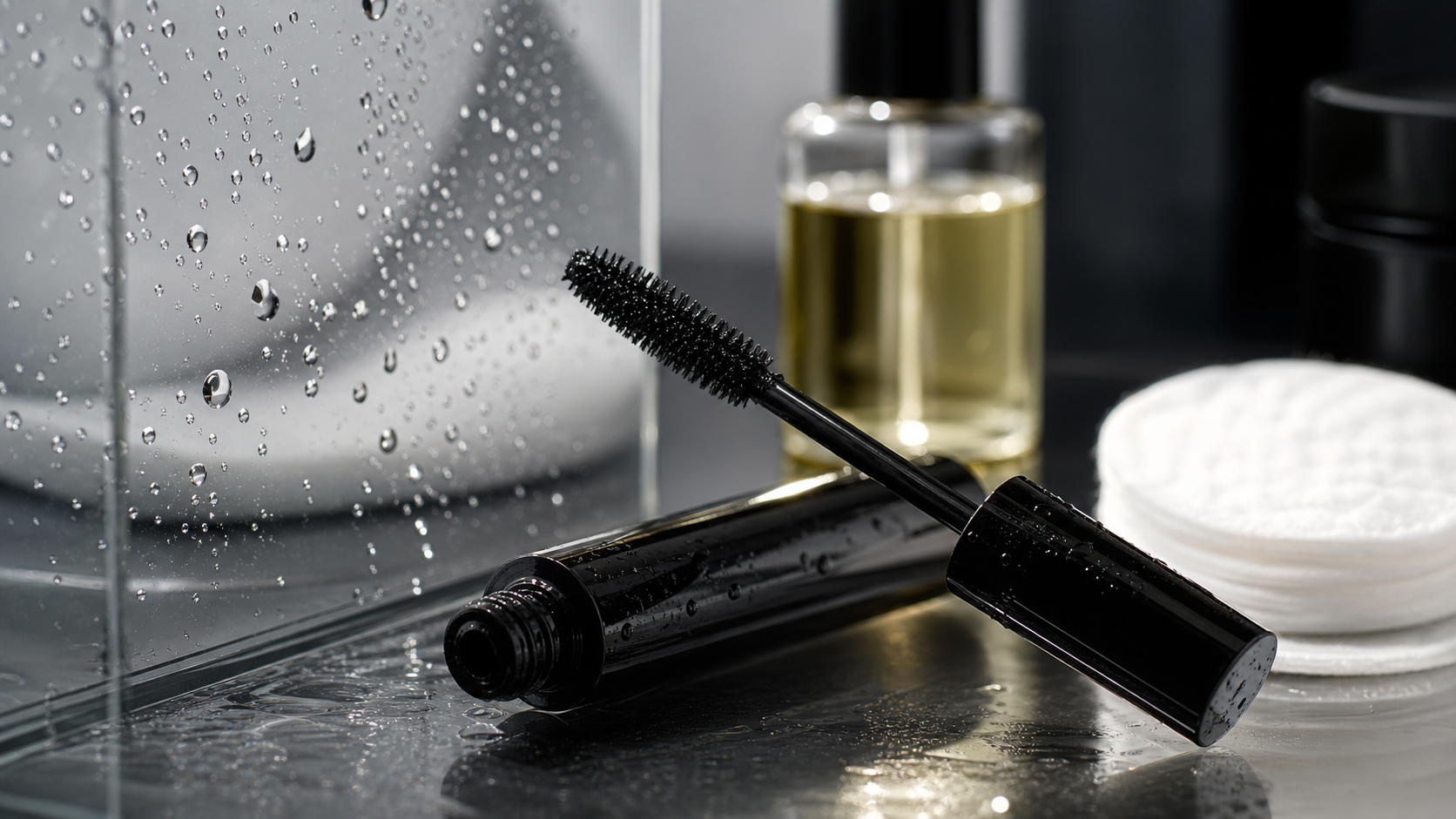
Waterproof mascara is not simply regular mascara with a stronger attitude. It works because the formula is built to resist water, tears, humidity, sweat, and oil better than a washable formula. Instead of relying on easy-to-rinse ingredients, waterproof mascara uses waxes, film formers, pigments, and low-water systems that dry into a flexible coating around each lash. That coating helps lashes stay dark, lifted, and defined when ordinary mascara would smear, but it also explains why waterproof mascara can feel harder to remove and why lash care matters after wearing it.
A: Not automatically, but rough removal and daily tugging can make lashes weaker over time.
A: Its drier waxy film can support the curled shape better than wetter washable formulas.
A: Yes, skin oils, eye cream, sunscreen, and concealer can soften or transfer the film.
A: Oil cleanser, cleansing balm, or dual-phase eye makeup remover usually works best.
A: You can, but use gentle removal and consider washable mascara on low-risk days.
A: Tubing mascara works differently and often removes with warm water rather than oil.
A: Old formula, too many coats, brittle film, or dry lashes can cause flakes.
A: It is safer to curl before mascara so coated lashes do not stick or break.
A: Heavy layers, old product, or not combing before the formula sets can create clumps.
A: Apply thin coats, use it when needed, and remove it patiently with oil-based remover.
The Formula Uses Less Water and More Water-Resistant Structure
Washable mascara is designed to break down with water and cleanser. Waterproof mascara is designed to do almost the opposite. Its formula usually relies more heavily on waxes, oils, volatile solvents, and film-forming ingredients that create a coating water cannot easily dissolve. Once applied, the wet formula spreads over the lash, then sets as the more volatile parts evaporate. What remains is a dark flexible layer that grips the lash through moisture.
That structure is why waterproof mascara can survive watery eyes, humid weather, workouts, weddings, and long days. The formula is not waterproof because it forms an actual plastic shell, but because water has a harder time penetrating or dissolving the dry film. The lashes are coated in a water-resistant blend that clings until an oil-based or dual-phase remover breaks it apart.
The tradeoff is removal. A formula that resists water during wear will not politely melt away with a splash at night. If removal is rushed, lashes can be tugged, bent, or lost. Understanding the chemistry makes the product less mysterious and makes gentle removal feel like part of the mascara routine, not an optional extra.
This is also why waterproof mascara can feel different from the first swipe. The brush may seem drier, the formula may grab faster, and the lashes may separate in a more fixed pattern. That quick set can be helpful for curl, but it gives less time to fuss with the shape. Work one eye at a time if the mascara locks quickly.
Waxes Give Waterproof Mascara Grip and Shape
Waxes are a major reason waterproof mascara can hold curl. Ingredients such as beeswax, carnauba wax, paraffin, synthetic waxes, or other waxy materials help thicken the formula and create structure as it dries. On the lash, waxes add body and help the mascara sit in place instead of slipping away when moisture appears. They also influence whether the final effect looks soft, dramatic, stiff, or flexible.
A wax-rich mascara can make lashes look fuller because it deposits material around the lash shaft. It can also help curled lashes stay lifted longer than a wetter washable formula. This is why people with straight lashes often reach for waterproof mascara even on dry days. The formula’s grip can support shape when washable mascara pulls the curl down.
Too much waxy buildup, however, can make lashes feel crunchy or heavy. Multiple coats may look dramatic at first, then turn clumpy as layers grab onto themselves. The best waterproof result usually comes from curling first, applying thin coats while the formula is still workable, and stopping before the lashes become overloaded.
Film Formers Create the Water-Resistant Coat
Film formers are ingredients that help mascara dry into a continuous layer. They can improve wear, reduce flaking, and help pigment stay attached to the lash. In waterproof mascara, film formers are chosen for durability and water resistance, so the dry mascara behaves more like a flexible coating than a powdery layer. That coating is what keeps color from dissolving into streaks during tears or humidity.
This film has to balance strength with movement. Lashes bend, blink, touch skin, and brush against glasses or bangs. A film that is too brittle can flake. A film that is too soft can transfer. A good waterproof mascara creates enough hold to resist moisture while still moving with the lashes.
Different brands solve this balance differently. Some waterproof mascaras feel lightweight and feathery. Others feel lacquered and dramatic. Some are excellent for curl but less comfortable for daily wear. The ingredient category may be similar, but the ratio and texture choices determine how the mascara behaves on real lashes.
Water Resistance Is Not the Same as Oil Resistance
Waterproof mascara is built to resist water, but the face is not made of water alone. Skin oils, eye cream, sunscreen, concealer, and warm eyelids can all affect mascara wear. A product can survive crying and still smudge under the lower lashes if oil breaks down the film. This is why some people experience smudging even with waterproof formulas.
The under-eye area is especially tricky. Concealer and moisturizer can migrate upward, and lashes can touch that emollient surface every time you blink. If mascara smudges underneath, the fix may be less eye cream, more setting on the lower lash area, skipping lower-lash mascara, or choosing a formula with better oil resistance. More waterproofing is not always the missing piece.
Weather matters too. Humid air, sweat, and sunscreen can create a mixed environment of water and oils. A wedding mascara, beach mascara, and everyday mascara may need different strengths. Waterproof is a useful claim, but it does not mean the formula is invincible against every substance your face produces.
Primer, concealer, and sunscreen around the eyes can change the wear more than the mascara itself. If a mascara smears only on days when you wear richer eye cream, the formula may not be the main problem. Let skincare absorb, use less product near the lower lash line, or set the area lightly. Waterproof mascara performs best when the skin around it is not dissolving the film all day.
Waterproof Mascara Can Protect Curl Better Than Washable Mascara
Many washable mascaras contain more water or water-friendly ingredients, and that moisture can relax a freshly curled lash. Waterproof formulas often set faster and feel drier, which can help the curl remain lifted. This is why people with straight, downward-pointing lashes often see a visible difference when switching to waterproof mascara. The formula acts almost like hairspray for lashes.
Technique still matters. Curl lashes before mascara, not after the formula has dried. Curling coated lashes can create bends, sticking, or breakage if the curler catches product. Apply mascara from the base upward with a light wiggle, then comb through before it fully sets if clumps appear. Once waterproof mascara dries, aggressive combing can pull at the lashes.
For everyday curl hold, a single thin coat may be enough. Full waterproof drama every day can be harder on removal, especially if you use several coats. A practical approach is using waterproof mascara when curl, tears, humidity, or long wear truly matter, and a gentler washable formula when the day is low stakes.
Tubing Mascara Works Differently
Tubing mascara is often compared with waterproof mascara because it can resist smudging well, but the mechanism is different. Tubing formulas wrap lashes in tiny polymer tubes that slide off with warm water and gentle pressure. They may handle oil and smudging better for some people, but they are not always as curl-holding or water-survival focused as classic waterproof formulas.
If your problem is raccoon eyes from oily lids, tubing mascara may be more useful than a traditional waterproof formula. If your problem is crying, swimming, or holding a curl through humidity, waterproof may perform better. The best category depends on what ruins your mascara first. Water, oil, curl drop, flaking, and removal comfort are different problems.
Removal Is Where Lash Health Is Won or Lost
Waterproof mascara should be removed with patience and the right remover. Oil-based cleansers, cleansing balms, and dual-phase eye makeup removers can dissolve the water-resistant film more effectively than plain water. Saturate a cotton pad or fingertip, hold it against the lashes briefly, then wipe gently downward or outward. The hold time matters because it lets chemistry do the work your hands would otherwise do by force.
Rubbing back and forth can break lashes and irritate the eyelid. Picking at dried mascara is even worse because the film is designed to cling. If mascara remains after the first pass, apply more remover and wait again. Gentle repetition is better than one aggressive scrub.
After removal, the eye area may need a bland moisturizer, and lashes may appreciate a break if they feel dry or brittle. Waterproof mascara is not automatically damaging, but daily rough removal can be. Lash care is less about fearing the product and more about respecting the removal process.
Removal should also include the lash roots. Waterproof residue can hide at the base of the lashes even after the tips look clean. A cotton swab with remover or a gentle second cleanse can help clear that line without scraping. Leaving residue behind can make lashes feel stiff and can irritate the lid margin by morning.
Gloss Street’s Take
Waterproof mascara works because it builds a water-resistant coating with waxes and film formers that ordinary water cannot easily dissolve. That coating can preserve curl, resist tears, and hold pigment through difficult conditions. The same chemistry that makes it reliable also makes removal more demanding.
Use waterproof mascara when the day calls for it, apply it in thin controlled coats, and remove it with an oil-based product and patience. The best waterproof mascara routine is not the one that never moves at all costs. It is the one that gives you reliable lashes without making removal a nightly battle.
How to Choose Between Waterproof Formulas
A curl-holding waterproof mascara is not always the same as a volumizing waterproof mascara. Curl formulas often feel lighter and drier so they do not drag the lash down. Volumizing formulas may use more waxy bulk, which can look dramatic but feel heavier. Lengthening formulas may focus on smooth extension and separation. Choose based on the lash problem you actually have.
The brush matters too. A small comb-like brush can define short lashes and reduce clumps. A fluffy brush can build volume but may overload fine lashes. A curved brush can support lifted placement when your lashes grow downward. Formula chemistry does the wear work, but brush design decides how evenly that chemistry reaches the lashes.
When Waterproof Is Not Worth It
Waterproof mascara is useful, but it does not need to be your default every day. If your eyes are dry, irritated, or recovering from lash damage, a washable formula may be kinder for a while. If removal always turns into rubbing, the routine is costing more than it gives. Beauty products should serve the day, not create a nightly penalty.
Save the strongest waterproof formulas for conditions that justify them: tears, heat, humidity, long events, curl collapse, or unavoidable moisture. For regular office days, a water-resistant or tubing option may be enough. Having more than one mascara category lets you match performance to the day instead of using maximum hold automatically.
Also consider how often you replace the tube. Waterproof formulas can become drier and harder to work with as they age, which increases clumping and makes removal feel rougher. If the texture has changed, the brush smells off, or the formula flakes more than it used to, replacing it is part of safe use. A fresh tube usually applies in thinner layers and removes more predictably.