Cuticle Oil Helps Nail Growth by Caring for the Skin That Protects the Nail
Cuticle oil does not make nails grow overnight, and it cannot turn a damaged nail plate into new nail by morning. What it can do is support the environment where healthy nails grow. The skin around the nail, the cuticle area, and the new nail emerging from the matrix all benefit when dryness, cracking, picking, and irritation are reduced. The best cuticle oils make the nail area more flexible, comfortable, and protected, which can help nails grow out with fewer breaks and less raggedness. Healthy nail growth is not only about speed; it is about the condition of the nail as it grows.
A: It mainly supports healthier-looking growth by reducing dryness, picking, and breakage around the nail.
A: Daily use is ideal for dry cuticles, and bedtime application is an easy place to start.
A: Jojoba-rich formulas are a good starting point, but the best oil is one you tolerate and use consistently.
A: Yes, apply it after polish dries or around the nail while avoiding the plate before base coat.
A: Not always, but fragrance-free is safer for cracked, irritated, or sensitive cuticles.
A: It can support the grow-out process, but damaged nail plate still needs time to grow forward.
A: Avoid aggressive cutting, because the cuticle area protects the new nail environment.
A: Use less, switch to a lighter formula, or choose a pen for controlled application.
A: No, oil targets nail folds and edges, while hand cream supports broader skin hydration.
A: Expect fewer hangnails, softer nail folds, and nails that grow out with less dry breakage.
Cuticle Oil Supports the Nail Environment
The nail grows from the matrix under the skin at the base of the nail. Cuticle oil does not reach in and command faster growth, but it can improve the surrounding environment. When the nail fold is dry, cracked, or picked, the area becomes more vulnerable to irritation and trauma. A comfortable nail fold makes it easier to leave the area alone while new nail grows forward.
The visible cuticle also plays a protective role. Cutting or picking it aggressively can create openings for irritation and infection. Oil keeps the area soft enough that hangnails and rough edges are less tempting to tear. That matters because a lot of nail damage comes from habits around the nail, not the nail plate itself.
A good cuticle oil routine is preventive. It reduces dryness before it turns into splitting skin, painful hangnails, or compulsive picking. That quiet prevention is why oil can look like a small step but make a big difference over weeks.
This is why cuticle oil is especially helpful for people who pick at dry skin. The oil does not simply moisturize; it removes the rough edges that invite attention. When the nail fold feels smooth, there is less to catch, tear, or fuss with. That behavioral benefit is part of the growth support.
Cuticle oil can also make manicures last longer by reducing dry lifting around the edges. When the skin and sidewalls stay flexible, polish is less likely to catch on ragged cuticles. That does not replace base coat or careful application, but it improves the setting around the manicure.
The Best Oils Balance Absorption and Cushion
Cuticle oils usually combine plant oils, esters, vitamins, fragrance, or sometimes mineral-based emollients. Jojoba oil is popular because it feels light and absorbs well. Sweet almond oil, sunflower oil, avocado oil, argan oil, and olive-derived ingredients can add cushion and softness. Vitamin E often appears as an antioxidant and conditioning ingredient, though the formula as a whole matters more than one familiar name.
The best texture depends on when you use it. A light brush-on oil is convenient during the day because it absorbs quickly and does not leave everything greasy. A richer oil or balm can be useful at night when you do not need to touch a keyboard or phone. If a product is too messy for your life, it will not become consistent enough to help.
Fragrance is optional. Some people love a scented nail ritual, while others find fragrance irritating around cracked skin. If your cuticles are inflamed or sensitive, fragrance-free is the safer starting point. Healthy growth support should not sting.
Texture can also change by season. A light oil may be perfect in summer, while winter cuticles may need a richer blend or a balm layered over oil at night. Adjusting texture is not inconsistency. It is responding to the dryness your hands are actually facing.
Application Technique Matters More Than a Fancy Bottle
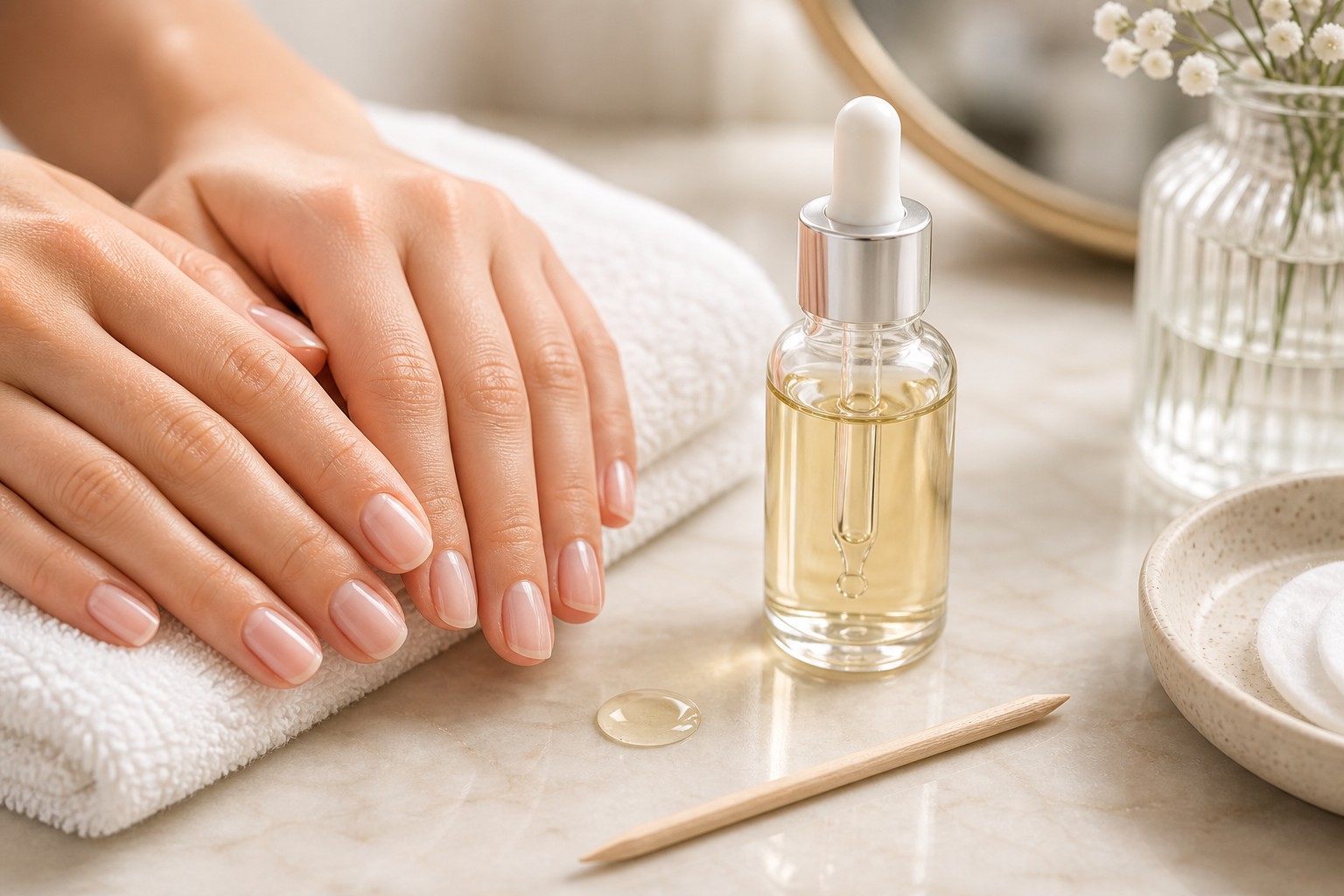
Cuticle oil works through repetition. Apply a small amount around the base of each nail, along the sidewalls, and under the free edge if the nail is long enough. Massage it in gently for a few seconds. The massage is not magic, but it helps distribute the oil and encourages you to notice dry spots or developing hangnails before they become problems.
More oil is not always better. Flooding the fingertips can make the step annoying, and annoyance kills consistency. A tiny drop per nail is often enough. If the surface stays greasy for a long time, use less or switch to a lighter formula for daytime.
After handwashing is a useful time because water and soap can leave the nail area dry. Bedtime is another strong option because oil can sit longer without being washed away. Keeping a pen, brush, or rollerball oil near the place you will actually use it is more important than buying the most luxurious bottle.
Avoid applying oil right before polish if you need polish to adhere. Oil on the nail plate can interfere with base coat grip. Use oil after polish is dry or on bare-nail days. If you are doing a manicure, cleanse the nail plate before polish and oil the surrounding skin afterward.
Massage should be gentle and brief. You are spreading oil and encouraging circulation through touch, not trying to force growth from the base. Harsh pressure near the matrix can be counterproductive. The nail area should feel soothed when you finish, not tender.
Cuticle Oil Helps Prevent Breaks Indirectly
Cuticle oil is not a nail hardener, but it can help nails survive growth by improving flexibility around the nail and reducing dry splits. When the skin around the nail is ragged, people pick. Picking can tear skin, lift polish, weaken edges, and start breaks. Oil reduces the roughness that invites that cycle.
Oil can also condition the underside and sidewalls of longer nails. This does not make the nail indestructible, but it can reduce the dry, brittle feeling that leads to snapping. For people recovering from gels or frequent polish changes, oil supports the recovery routine without adding another hard coating.
Pair oil with sensible length. A long weak nail will still break if it is constantly hitting surfaces. Cuticle oil works best when the nail shape, filing, and daily habits are also realistic. It is support, not armor.
This indirect support is easy to underestimate. When sidewalls are soft and the free edge feels less dry, small snags are less likely to become tears. The nail still has to grow, but it grows through a friendlier environment. That is where cuticle oil earns its place.
Healthy Growth Requires Protecting the Matrix Area
The matrix is where nail growth begins, and it sits under the skin near the base of the nail. Trauma to that area can affect how the nail grows out. Aggressive cuticle cutting, pushing too hard, picking, or pressing tools into the nail fold can cause irritation. Cuticle oil encourages a softer approach because the skin becomes easier to tidy without force.
If you push cuticles back, do it gently after a shower or after oil has softened the area. Use light pressure and avoid digging. The goal is a clean-looking nail plate, not removing every bit of protective skin. A healthy manicure should not leave the base of the nail sore.
Inflamed, swollen, painful, or infected-looking nail folds need more than cosmetic oil. Stop cutting, keep the area clean, and seek help if symptoms persist. Oil is for maintenance and dryness support, not a treatment for infection.
That protective mindset changes manicure habits. Instead of cutting every bit of skin that appears around the nail, soften first and remove only what is truly loose or ragged. The goal is a clean nail outline without soreness. A healthy growth routine should never leave the base of the nail throbbing.
The same caution applies to electric manicure tools. Used too aggressively near the cuticle, they can thin or irritate the area that should be protected. A softer oil routine may not look as dramatic as a tool pass, but it is safer for regular maintenance. Healthy growth prefers patience around the base of the nail.
Choose the Format You Will Actually Use
Cuticle oil comes in brush bottles, pens, droppers, rollers, balms, and squeeze tubes. Brush bottles feel classic and work well at a vanity. Pens are excellent for bags, desks, cars, and bedside tables. Droppers can feel luxurious but may be messier. Balms are good for very dry skin and nighttime use.
The best format is the one that removes friction from the habit. If you forget products in drawers, choose a visible pen. If you dislike oily fingertips, choose a fast-absorbing brush-on formula. If you wash hands constantly, keep a small oil near the sink or desk. Routine design matters more than packaging glamour.
Be careful with shared oils in salons or group settings. Applicators that touch multiple people can raise hygiene concerns. Personal oil pens or clean brush bottles are better for regular use. Nail care should feel pampering without ignoring cleanliness.
For people who forget products, duplication helps. Keep one oil by the bed, one by the desk, or one in a bag. The formula does not have to be exotic if the placement makes you use it. Convenience is part of the treatment design.
Pair Oil With Growth-Friendly Habits
Healthy nail growth is a routine, not a single product. Wear gloves for dishes and cleaning, file snags instead of tearing them, and use remover gently. Avoid biting or picking, keep nails at a length you can maintain, and moisturize hands after washing. Cuticle oil fits into this system by making the nail area less dry and less tempting to damage.
Nutrition, health, and genetics also affect growth. Oil cannot override medical issues, deficiencies, medications, or chronic nail conditions. If nails suddenly change color, shape, thickness, or attachment, do not rely on oil alone. Cosmetic care has limits.
For most people, the practical goal is better-looking growth. The nail may not grow dramatically faster, but it can grow out smoother, with fewer hangnails, less peeling around the edges, and less breakage from dry skin habits. That is a real result, even if it is gradual.
Daily triggers matter. Sanitizer, frequent washing, paper handling, cold weather, and cleaning products can all dry the nail fold faster than people expect. Oil works best when it is placed near those triggers. A desk pen or bedside oil can turn a good intention into an automatic habit.
Pairing oil with a hand cream can improve comfort because the products do different jobs. Cream supports the wider hand, while oil slips into the nail folds and edges. Used together, they make the whole nail area less dry. That broader comfort can reduce picking and tearing.
What to Look for in a Cuticle Oil
Look for a texture that suits your schedule, a formula that does not irritate, and packaging that makes regular use easy. Jojoba-rich oils are a good starting point for many people because they feel light. Richer blends can be useful for nighttime or very dry hands. Fragrance-free options are smart for cracked or sensitive cuticles.
A good oil should leave the nail area flexible, comfortable, and less ragged. It should not burn, cause redness, or make you avoid touching anything for an hour. If you never use it because it is too greasy, it is not the best oil for you, even if the ingredient list looks beautiful.
Judge results over several weeks. Look at hangnails, sidewall dryness, picking urges, polish flexibility, and whether new growth is surviving without breaks. Cuticle oil is a consistency product. The best one is the one you will actually apply.
Also notice how the applicator feels. A brush can flood too much oil if you are heavy-handed, while a pen may release a smaller amount. A rollerball can be tidy but may not reach sidewalls as precisely. The best packaging makes the habit almost thoughtless.
Gloss Street’s Take
Cuticle oils support healthy nail growth by caring for the skin and nail environment around the growth zone. They reduce dryness, soften rough edges, discourage picking, and help nails grow out with fewer interruptions. That is different from forcing faster growth, and it is more realistic.
The best cuticle oil is not just the fanciest blend. It is the one with a texture, applicator, and ingredient profile you can use consistently. Healthy nail growth loves small habits repeated often.
The payoff is gradual, but it is visible. Over time, the nail area looks less ragged, polish sits cleaner, and new length has a better chance of surviving daily stress. That is the kind of growth support cuticle oil can realistically offer.
A beautiful oil that stays unused is less helpful than a simple pen you apply every night. Choose the product that fits your behavior first. Healthy nail growth is a consistency project, not a vanity-table display.
That consistency is also what makes oil different from a rescue treatment. It is not something you use only after the nail area looks ragged. It works best when it prevents the ragged stage from becoming your normal baseline. Small daily care beats occasional repair.