The Rise of a Skincare Powerhouse
In the ever-evolving world of skincare, few ingredients have achieved the universal acclaim and versatility of niacinamide. Once a relatively quiet player in dermatological formulations, niacinamide has surged into the spotlight, earning a reputation as a multi-tasking powerhouse suitable for nearly every skin type. From addressing acne and excess oil to improving uneven tone and strengthening the skin barrier, its benefits span across a wide spectrum of skin concerns. What sets niacinamide apart is not just what it does, but how effectively and gently it delivers results without causing irritation. Niacinamide, also known as vitamin B3, is a water-soluble vitamin that plays a critical role in maintaining healthy skin. It is now commonly found in serums, moisturizers, toners, and even cleansers, often positioned as a cornerstone ingredient in modern skincare routines. Its adaptability and compatibility with other actives have made it a favorite among dermatologists, formulators, and skincare enthusiasts alike.
A: Yes, it’s gentle enough for daily use.
A: Absolutely, it helps reduce oil and inflammation.
A: Yes, it can actually help reduce retinol irritation.
A: It evens tone but doesn’t bleach or lighten your natural complexion.
A: Typically 4–8 weeks with consistent use.
A: Rarely, but high concentrations may irritate some skin types.
A: Yes, it’s one of the most well-tolerated ingredients.
A: Yes, modern formulas allow it, but monitor for sensitivity.
A: 2%–5% for beginners, up to 10% for experienced users.
A: Yes, it minimizes their appearance over time.
What Is Niacinamide and How Does It Work?
At a biochemical level, niacinamide functions as a precursor to essential coenzymes in the skin, specifically NAD+ and NADP+. These molecules are involved in cellular energy production and repair processes. When applied topically, niacinamide supports the skin’s natural functions, enhancing resilience, improving texture, and promoting overall skin health.
One of its most important roles is in reinforcing the skin barrier. The outermost layer of the skin, known as the stratum corneum, acts as a protective shield against environmental stressors such as pollution, UV exposure, and moisture loss. Niacinamide stimulates the production of ceramides and free fatty acids, which are vital components of this barrier. As a result, the skin becomes better equipped to retain hydration and defend itself against external aggressors.
The Benefits of Niacinamide for Skin
Niacinamide’s broad range of benefits is what truly elevates it from a simple vitamin to a skincare essential. Its ability to target multiple concerns simultaneously makes it particularly valuable in streamlined routines where efficiency is key.
One of its most well-known benefits is oil regulation. For individuals with oily or combination skin, niacinamide helps balance sebum production without over-drying the skin. This leads to a more refined appearance and a reduction in shine throughout the day. Over time, this balancing effect can also contribute to fewer clogged pores and breakouts.
Niacinamide is also highly effective in minimizing the appearance of enlarged pores. While it does not physically shrink pores, it improves the elasticity of the pore lining and regulates oil flow, making pores appear smaller and less noticeable. This creates a smoother, more even skin texture that reflects light more uniformly.
Another major advantage is its ability to brighten the skin and even out tone. Niacinamide inhibits the transfer of melanin to skin cells, which helps reduce the appearance of dark spots, hyperpigmentation, and post-acne marks. Unlike some brightening agents that can be harsh or photosensitizing, niacinamide works gently, making it suitable for long-term use.
In addition, niacinamide possesses anti-inflammatory properties, making it an excellent choice for calming redness, irritation, and conditions such as rosacea. It soothes the skin while simultaneously strengthening it, creating a balanced and resilient complexion.
Niacinamide and the Skin Barrier
The concept of the skin barrier has become central to modern skincare, and niacinamide plays a pivotal role in maintaining and restoring this protective layer. A compromised barrier can lead to dryness, sensitivity, and increased susceptibility to environmental damage. Niacinamide addresses this issue at its core by boosting lipid production and enhancing the structural integrity of the skin.
When the barrier is strong, the skin retains moisture more effectively, resulting in improved hydration levels and a plumper appearance. Fine lines caused by dehydration become less noticeable, and the overall texture of the skin improves. This makes niacinamide an essential ingredient not only for treating existing issues but also for preventing future damage.
How Niacinamide Helps with Acne and Breakouts
Acne is a complex condition influenced by factors such as excess oil, clogged pores, bacteria, and inflammation. Niacinamide tackles several of these factors simultaneously, making it a valuable addition to acne-focused routines.
Its oil-regulating properties help reduce the likelihood of clogged pores, while its anti-inflammatory effects calm existing breakouts and reduce redness. Unlike more aggressive acne treatments, niacinamide does not strip the skin or disrupt its barrier, which is crucial for long-term skin health.
Moreover, niacinamide can help fade post-inflammatory hyperpigmentation, the dark marks that often linger after acne heals. This dual action of treating active breakouts and improving their aftermath makes it particularly effective for those dealing with persistent acne concerns.
Anti-Aging Benefits of Niacinamide
While niacinamide is often associated with acne and oil control, its anti-aging benefits are equally impressive. It supports collagen production, improves skin elasticity, and reduces the appearance of fine lines and wrinkles over time. By enhancing the skin’s natural repair processes, it helps maintain a youthful, firm appearance.
Niacinamide also protects against oxidative stress caused by environmental factors such as pollution and UV radiation. This antioxidant effect helps prevent premature aging and keeps the skin looking vibrant and healthy.
Another key aspect of its anti-aging function is its ability to improve skin texture and tone. By promoting cell turnover and reducing uneven pigmentation, niacinamide contributes to a smoother, more radiant complexion.
How to Use Niacinamide in Your Skincare Routine
Incorporating niacinamide into your skincare routine is relatively straightforward due to its versatility and compatibility with other ingredients. It can be used both morning and night, depending on your routine and preferences.
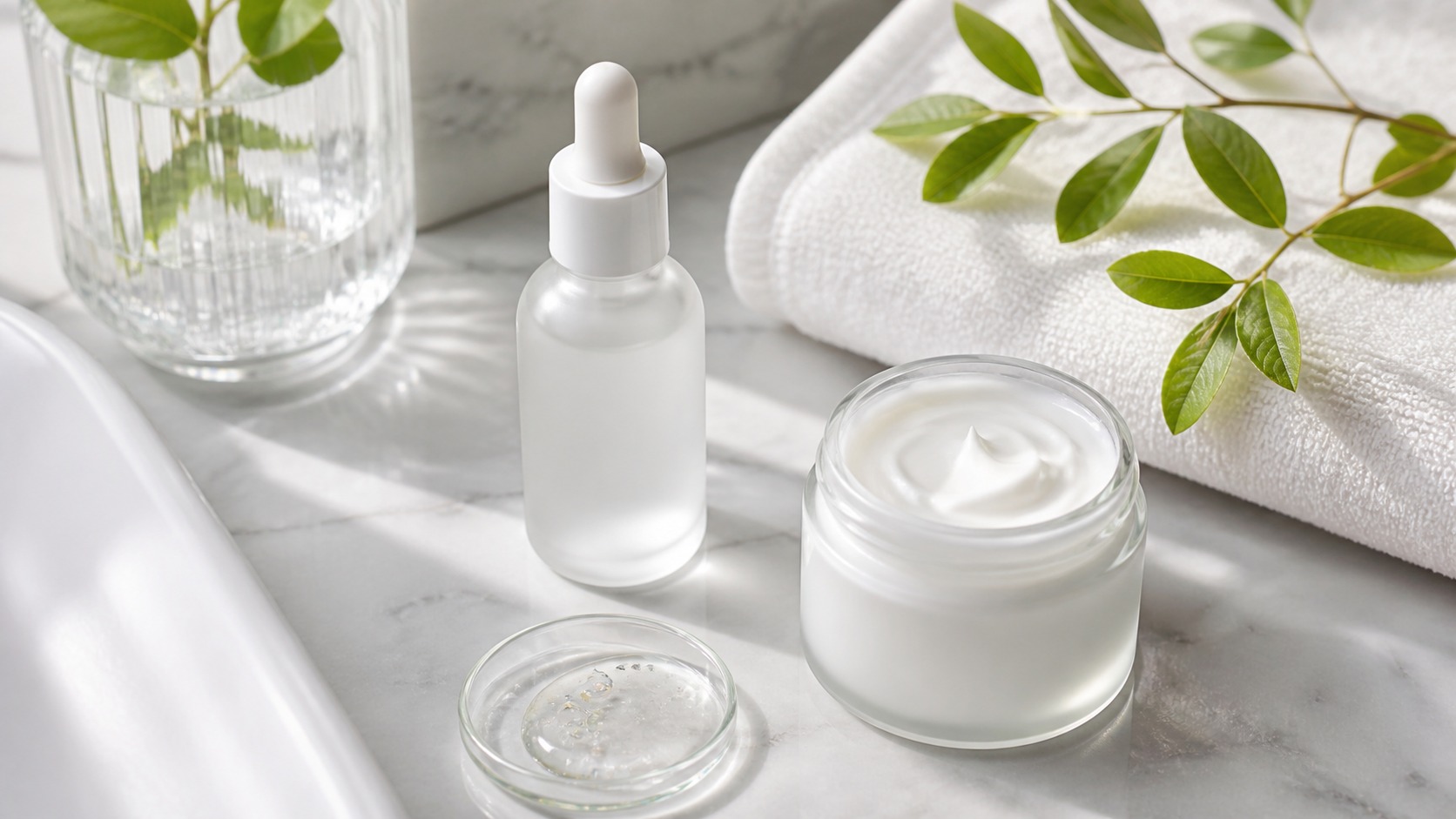
Niacinamide is most commonly found in serums, which are typically applied after cleansing and toning but before moisturizing. This allows the ingredient to penetrate effectively and deliver its benefits directly to the skin. Moisturizers and creams containing niacinamide can also be used to provide additional hydration and barrier support.
When layering skincare products, niacinamide works well alongside a wide range of ingredients, including hyaluronic acid, peptides, and ceramides. It can also be combined with exfoliating acids and retinoids, although it is often best to introduce these combinations gradually to avoid potential irritation.
Consistency is key when using niacinamide. While some improvements, such as reduced redness and improved hydration, may be noticeable within a few weeks, more significant changes in pigmentation and texture typically require sustained use over several months.
Choosing the Right Niacinamide Concentration
Niacinamide products are available in a range of concentrations, typically from 2% to 10%. Lower concentrations are effective for general skin maintenance and hydration, while higher concentrations are often used to target specific concerns such as oil control and hyperpigmentation.
For most individuals, a concentration of around 5% offers an optimal balance of efficacy and tolerability. Higher concentrations can deliver faster results but may increase the risk of irritation, particularly for sensitive skin. It is always advisable to start with a lower concentration and gradually increase as your skin builds tolerance.
Common Myths About Niacinamide
Despite its widespread popularity, niacinamide is often surrounded by misconceptions. One common myth is that it cannot be used with vitamin C. While older formulations raised concerns about potential interactions, modern skincare science has shown that niacinamide and vitamin C can coexist effectively in a routine, often complementing each other’s benefits.
Another misconception is that higher concentrations always yield better results. In reality, more is not always better when it comes to active ingredients. Excessively high concentrations of niacinamide can lead to irritation without significantly enhancing benefits.
There is also a belief that niacinamide works instantly. While it does provide some immediate soothing effects, its most transformative benefits develop over time with consistent use.
Who Should Use Niacinamide?
One of the most compelling aspects of niacinamide is its universal suitability. It is well-tolerated by nearly all skin types, including sensitive, oily, dry, and combination skin. This makes it an ideal starting point for individuals new to active ingredients.
Those with acne-prone skin can benefit from its oil-regulating and anti-inflammatory properties, while individuals concerned with aging can take advantage of its collagen-supporting and antioxidant effects. Even those with sensitive or reactive skin can use niacinamide to strengthen the barrier and reduce redness.
Final Thoughts: A Modern Skincare Essential
Niacinamide has rightfully earned its place as a cornerstone ingredient in modern skincare. Its ability to address multiple concerns with minimal irritation makes it uniquely valuable in both simple and advanced routines. Whether your goal is clearer skin, improved texture, reduced pigmentation, or enhanced barrier function, niacinamide offers a reliable and effective solution.
In a landscape often dominated by complex formulations and aggressive treatments, niacinamide stands out for its balance of science-backed efficacy and gentle performance. It represents a shift toward smarter skincare, where results are achieved not through harsh interventions, but through supporting the skin’s natural processes. For anyone looking to elevate their skincare routine, niacinamide is not just an option—it is a strategic addition that delivers measurable, long-term benefits.