Understanding the Need for Personalized Hair Removal
In today’s world of beauty, grooming, and self-care, hair removal isn’t just a trend—it’s a ritual, a lifestyle choice, and a confidence booster. Whether it’s about achieving silky legs, maintaining well-groomed brows, or embracing a completely hair-free look, the journey to choosing the best hair removal routine begins with personalization. What works wonders for one person may not be ideal for another, and that’s what makes hair removal a deeply individual experience. Factors like your skin sensitivity, hair texture, pain threshold, time availability, and long-term goals all influence the path you’ll take. For some, convenience reigns supreme. For others, long-lasting smoothness is the holy grail. The best hair removal method isn’t just about effectiveness—it’s about finding a routine that complements your lifestyle and embraces your body with care and respect.
A: Try electric trimmers or hypoallergenic waxing options.
A: 1–2 times per week is usually ideal.
A: Use different blades for hygiene—especially face vs body.
A: Newer lasers like Nd:YAG work well on darker skin tones.
A: That’s often razor burn—try switching blades and soothing products.
A: Waxing removes hair from the root—smoother, longer results.
A: If waxing, do it 24–48 hours before to avoid sun irritation.
A: Sugaring and turmeric masks are common natural alternatives.
A: Many modern epilators offer both options—read your device instructions.
A: No—this is a myth. Shaving doesn’t change hair thickness.
Understanding the Need for Personalized Hair Removal
In today’s world of beauty, grooming, and self-care, hair removal isn’t just a trend—it’s a ritual, a lifestyle choice, and a confidence booster. Whether it’s about achieving silky legs, maintaining well-groomed brows, or embracing a completely hair-free look, the journey to choosing the best hair removal routine begins with personalization. What works wonders for one person may not be ideal for another, and that’s what makes hair removal a deeply individual experience.
Factors like your skin sensitivity, hair texture, pain threshold, time availability, and long-term goals all influence the path you’ll take. For some, convenience reigns supreme. For others, long-lasting smoothness is the holy grail. The best hair removal method isn’t just about effectiveness—it’s about finding a routine that complements your lifestyle and embraces your body with care and respect.
Know Your Hair Type, Skin Tone, and Sensitivities
The first step in curating your perfect hair removal plan is understanding your hair and skin. Coarse hair may respond better to waxing or laser treatments, while fine hair might be more manageable with depilatory creams or tweezing. Skin tone also plays a major role—especially with laser hair removal, which has evolved to be more inclusive, but still varies in effectiveness depending on melanin levels.
Equally important is knowing your skin’s sensitivities. Do you break out easily? Does your skin become red and inflamed after shaving? Are you prone to ingrown hairs? Answering these questions can help steer you toward techniques that soothe, rather than irritate. Sensitive skin types may prefer options like sugaring or electric trimmers that cause minimal disruption to the epidermis. Meanwhile, those with tougher skin may tolerate the tug of waxing or the zap of a laser better.
Lifestyle and Maintenance Commitments
Hair removal is not a one-time decision—it’s a commitment. Some methods require daily upkeep, while others provide weeks or even months of freedom from regrowth. Your schedule and willingness to maintain a routine are crucial considerations.
If you travel frequently or have a busy lifestyle, investing in longer-term solutions such as IPL (Intense Pulsed Light) or electrolysis might save you time in the long run. However, if you enjoy the self-care aspect of grooming or prefer quick touch-ups, shaving or epilators might suit you better. The best routine is one that fits seamlessly into your lifestyle and doesn’t feel like a chore.
The Pros and Cons of Popular Hair Removal Methods
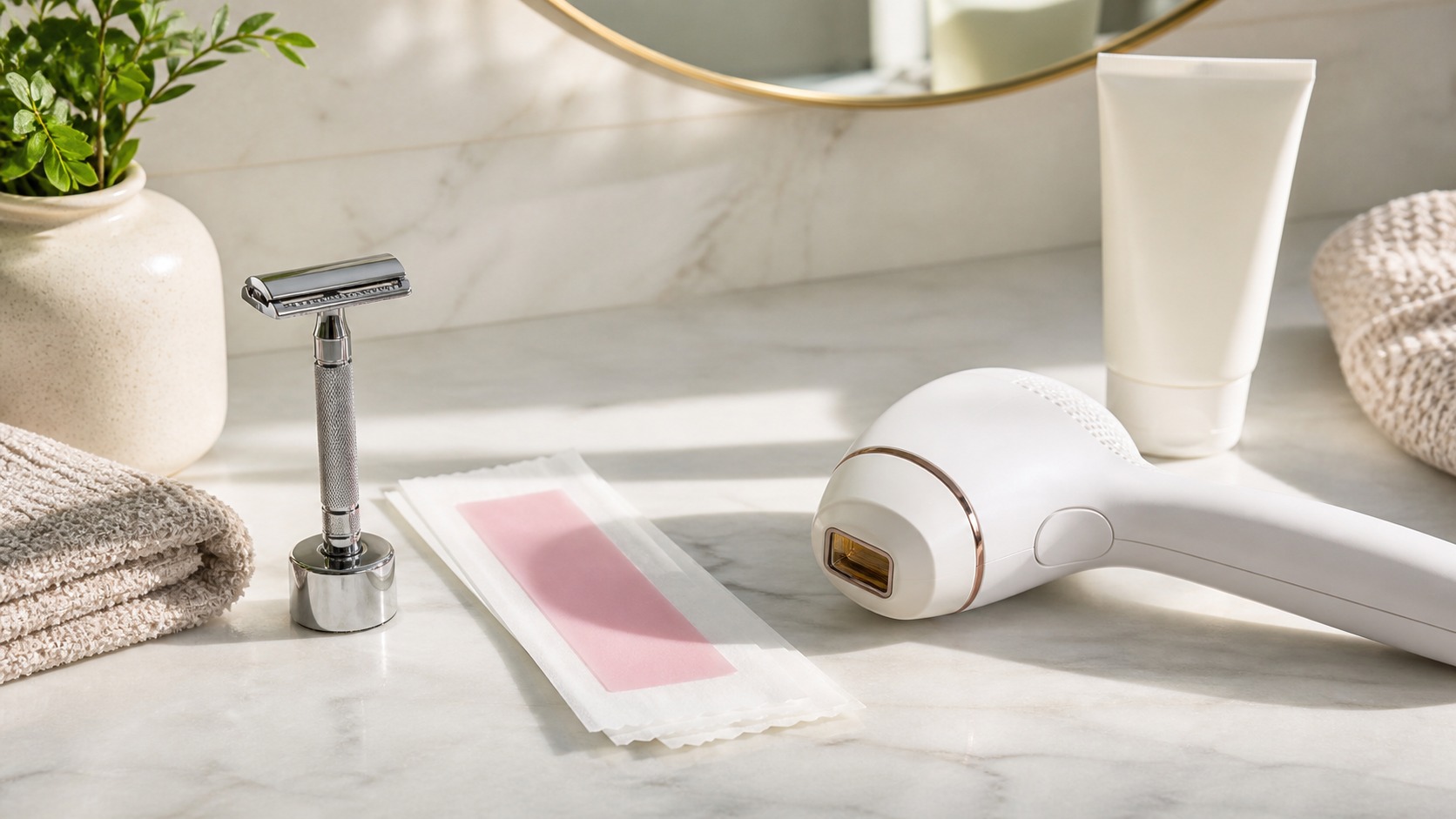
With a variety of techniques available, each method comes with its own strengths and weaknesses. Shaving is fast and inexpensive, but it requires frequent upkeep and may lead to razor burn or ingrown hairs. Waxing removes hair from the root and results in smoother skin for longer, but it can be painful and may not suit sensitive skin types.
Depilatory creams chemically dissolve hair, offering painless results—but the smell and potential for allergic reactions are drawbacks. Sugaring is a natural alternative to waxing, with a gentler pull on the skin and easier cleanup. Epilators offer mechanical precision, pulling hair from the root with lasting results, though they can be uncomfortable during use.
Laser hair removal and IPL are ideal for those seeking a semi-permanent solution. These methods reduce hair growth significantly over time but require an upfront financial investment and multiple sessions. Electrolysis, the only FDA-approved permanent hair removal method, is extremely effective but time-consuming and often more costly.
Targeting Different Body Areas with the Right Methods
Choosing the best routine also means recognizing that not all areas of your body should be treated the same way. Your face, legs, bikini line, underarms, and arms all have different hair densities and skin sensitivities. This calls for a strategic approach to hair removal.
For instance, eyebrows and facial fuzz may be best handled with threading or tweezing for precise control, while the upper lip may respond well to waxing or a facial epilator. Legs and arms offer more flexibility—shaving, waxing, or IPL can all be effective here depending on your preferences. The underarms and bikini area demand gentler methods, especially for sensitive skin, making sugaring or trimming more appealing for some. A hybrid approach is often the most realistic solution: combine different methods across body zones for optimal comfort and effectiveness.
The Role of Hormones and Hair Growth Patterns
Not all hair is created equal, and for many people, hormones play a powerful role in hair growth. If you’re dealing with excess facial or body hair due to hormonal conditions such as PCOS (Polycystic Ovary Syndrome) or menopause, you may notice thicker or darker growth in unusual places. This can require specialized routines and possibly medical consultation.
In such cases, laser treatments and electrolysis can be more beneficial than temporary fixes, offering more lasting control over unwanted growth. It’s also important to address hormonal imbalances with a healthcare provider, as managing the root cause can make your hair removal routine more effective and less frustrating.
Budget and Accessibility Considerations
Affordability is a major component of any personal care routine. High-end options like laser and electrolysis might not be financially accessible to everyone, whereas razors, depilatory creams, and waxing kits offer budget-friendly alternatives. However, it’s important to look at the long-term cost of each option.
Shaving might be cheap per session, but the cost of razors, gels, and aftercare products adds up. Waxing, whether done at home or at a salon, offers middle-ground affordability with long-lasting results. Investing in an at-home IPL device might require a higher upfront cost, but could save money over time when compared to professional salon treatments.
Accessibility is another factor—some people may not live near a reputable salon or clinic, making at-home options more appealing. In such cases, DIY hair removal becomes a skill worth mastering.
Timing, Seasonality, and Skin Recovery
The time of year can influence which methods are best for you. During summer, when more skin is exposed, people often seek longer-lasting solutions like waxing or laser. In colder months, routines can shift to less intensive methods since skin tends to be covered and less irritated by external elements.
It’s also wise to schedule hair removal sessions based on your skin’s natural rhythm. For example, waxing during your period might increase sensitivity, while exfoliating a day or two before shaving can lead to a closer, smoother finish. Giving your skin time to heal between treatments—especially after waxing, epilating, or using a laser—helps maintain its health and resilience.
Prepping and Aftercare for Optimal Results
An often-overlooked element of any hair removal routine is what happens before and after. Prepping your skin through exfoliation removes dead skin cells that might trap hair, while softening creams or warm compresses can reduce discomfort. Post-removal care is just as critical.
Using calming gels like aloe vera or tea tree oil helps reduce inflammation. Avoiding sun exposure, hot showers, and tight clothing for 24 hours post-treatment prevents irritation. Regular exfoliation can minimize the risk of ingrown hairs, while moisturizing maintains your skin’s suppleness. Even the best technique can produce mediocre results without proper care. Building a thoughtful pre- and post-care regimen will amplify your results and keep your skin happy and healthy.
Trying Trends with Caution: Dermaplaning, Wax Beads, and More
The world of hair removal is constantly evolving, with new products and social media trends emerging at lightning speed. Dermaplaning, for example, offers facial hair removal via a specialized blade that also exfoliates the skin. Though effective, it requires a steady hand and proper hygiene to avoid micro-cuts or infections.
Hard wax beads are another popular option, especially for at-home waxing. They offer a customizable, salon-like experience but can be messy and require practice. Electric shavers and facial trimmers have also come a long way, offering sleek, skin-friendly results with minimal discomfort. While it’s exciting to try trending methods, make sure you understand your own skin’s tolerance and the safety guidelines of each product. Patch testing and product reviews are essential tools before diving headfirst into the latest hair removal craze.
Men’s Hair Removal: Evolving Needs and Modern Grooming
Hair removal is not exclusive to women. Men’s grooming has taken a front seat in recent years, with more men exploring chest waxing, beard shaping, brow grooming, and body trimming. The rise of skincare consciousness has expanded men’s interest in smooth, clean lines and polished appearances.
For men, the same principles apply: understand your skin type, hair texture, and lifestyle before choosing a method. Some might prefer the control of an electric trimmer, while others may embrace the precision of waxing or the long-term benefits of laser treatments. Modern hair removal is about choice and customization—not gender. Embracing grooming as self-care opens the door for a more inclusive and empowering experience for everyone.
Sustainability and Natural Alternatives
As sustainability becomes a central part of our beauty routines, more people are exploring eco-conscious hair removal methods. Reusable razors, biodegradable wax strips, natural sugaring pastes, and refillable epilator devices are gaining traction. Choosing plastic-free packaging and cruelty-free products adds another layer of purpose to your routine. Some even opt for minimalist routines that embrace natural growth cycles rather than constant removal. Ultimately, aligning your hair removal practice with your values creates a deeper sense of satisfaction and empowerment in your grooming ritual.
When to Seek Professional Help
Sometimes, home routines fall short or create complications. If you’re struggling with recurring ingrown hairs, scarring, or hyperpigmentation, it might be time to consult a dermatologist or aesthetician. Professionals can recommend medical-grade treatments, offer personalized advice, and ensure that your method of choice is both safe and effective. Salon treatments also provide a level of precision and hygiene that’s difficult to match at home, especially for hard-to-reach areas like the back or the Brazilian zone. Investing in professional help—even occasionally—can elevate your routine and give you the confidence that your skin is in expert hands.
Confidence in Every Strand
Choosing the best hair removal routine isn’t about chasing perfection. It’s about feeling comfortable, confident, and in control of your body. Whether you prefer a sleek, smooth finish or a more natural look, the most effective routine is one that meets your needs, honors your skin, and makes you feel empowered. The modern world of hair removal is abundant with options, from traditional razors to high-tech lasers. There is no one-size-fits-all solution—only the one that fits you best. Explore, experiment, and evolve. Your perfect routine is out there, waiting to be discovered.