
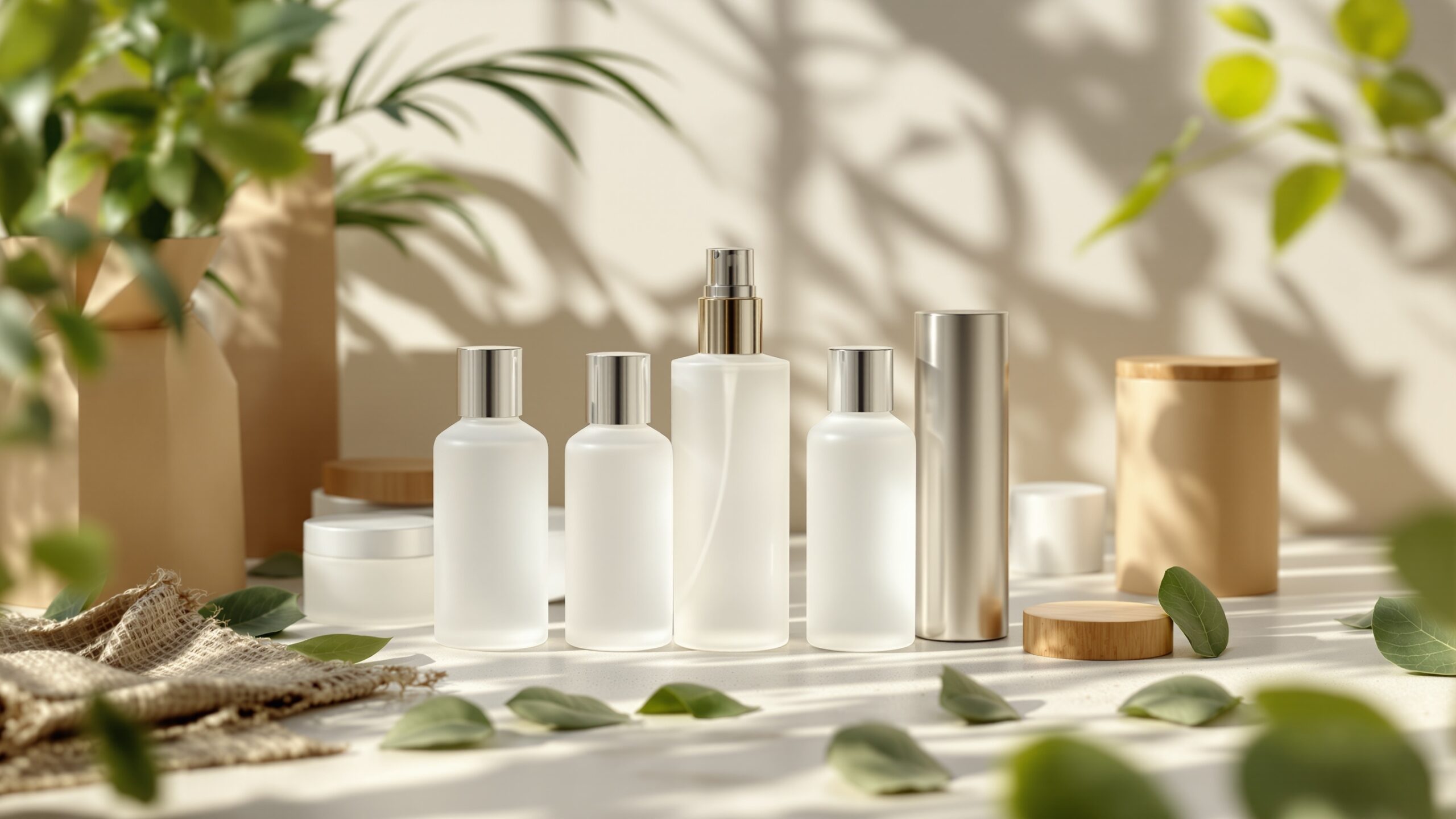
Eco-Friendly Packaging Explained for Conscious Beauty Shoppers
The modern beauty industry is no longer defined solely by pigments, performance, or price. Today, sustainability sits at the heart of purchasing decisions. Conscious beauty shoppers are asking new questions: What is this bottle made from? Can I recycle it? How much waste does this product generate? Eco-friendly packaging has evolved from a niche marketing term into a central pillar of responsible beauty. As climate awareness rises and consumers demand transparency, brands are reimagining how products are protected, displayed, and ultimately discarded. Understanding eco-friendly packaging is essential for anyone who wants their skincare and makeup routine to align with their environmental values.
A: No. Recyclable means it can be processed; recycled means it already contains reused material.
A: Not always—glass is recyclable but heavier to transport, increasing emissions.
A: Marketing that exaggerates or falsely claims sustainability benefits.
A: Often not curbside; many require special recycling programs.
A: It must break down under specific composting conditions without toxins.
A: Frequently yes, since refills often cost less than full packaging.
A: It depends—some require industrial facilities to degrade properly.
A: They’re harder to separate and less likely to be recycled.
A: No—when engineered properly, it protects formulas effectively.
A: Look for certifications and third-party audits.
What Is Eco-Friendly Packaging in Beauty?
Eco-friendly packaging refers to product containers and shipping materials designed to minimize environmental impact throughout their lifecycle. In the beauty sector, this includes everything from biodegradable jars and recyclable tubes to refill systems and minimalist cartons. True sustainable packaging considers raw material sourcing, manufacturing energy use, transportation footprint, consumer usability, and end-of-life disposal.
In practical terms, eco-friendly beauty packaging aims to reduce landfill waste, lower carbon emissions, and conserve natural resources. It avoids excessive plastic, prioritizes renewable or recycled materials, and encourages circular systems where materials are reused instead of discarded. Importantly, it balances environmental responsibility with product integrity. Cosmetics and skincare formulations are often sensitive to light, air, and contamination, so sustainable design must protect efficacy while reducing environmental strain.
Why Packaging Matters More Than You Think
In many beauty products, packaging accounts for a significant percentage of the total environmental footprint. A moisturizer’s formula might be carefully crafted with botanical extracts, but if it sits inside multiple layers of plastic, foil seals, and cardboard inserts, its sustainability story weakens.
Single-use plastic remains a major issue in the cosmetics industry. Globally, billions of beauty containers are discarded each year, many of which are too small or too complex to be effectively recycled. Pumps, droppers, and multi-layer tubes often combine different materials, making separation and recycling difficult. As a result, much of this packaging ends up in landfills or oceans.
For conscious beauty shoppers, understanding packaging is a powerful way to reduce waste. Choosing brands that design for recyclability or offer refill programs directly reduces the demand for virgin plastic and supports broader environmental change.
Common Materials in Sustainable Beauty Packaging
Eco-friendly packaging in cosmetics relies on a variety of materials, each with distinct environmental benefits and limitations.
Glass is widely considered one of the most sustainable options. It is infinitely recyclable without losing quality, and it offers excellent protection for sensitive formulations. However, glass is heavier than plastic, increasing transportation emissions if not carefully managed.
Aluminum is another strong contender. Lightweight and highly recyclable, aluminum can be reprocessed repeatedly with minimal degradation. Many deodorants, creams, and lip balms now feature aluminum tins or tubes to reduce plastic reliance.
Recycled plastics, often labeled as PCR (post-consumer recycled) plastic, reuse existing materials instead of producing new petroleum-based plastic. While still plastic, PCR reduces demand for virgin resources and helps divert waste from landfills.
Bioplastics derived from renewable sources like sugarcane or corn are also gaining traction. These materials reduce fossil fuel dependence but require proper industrial composting conditions to break down effectively.
Paper and cardboard sourced from responsibly managed forests, particularly when certified by recognized forestry standards, offer recyclable and biodegradable options for secondary packaging. The key is avoiding unnecessary layers and decorative elements that complicate recycling.
The Rise of Refillable Beauty Packaging
One of the most promising trends in sustainable beauty is refillable packaging. Instead of discarding the entire container after use, consumers keep a durable outer shell and replace only the inner cartridge or refill pouch.
Luxury skincare brands have embraced refill systems for serums, creams, and foundations. This model dramatically reduces material consumption over time. For example, a thick glass jar paired with lightweight refill pods can cut packaging waste by more than half across repeated purchases.
Refillable systems also strengthen brand loyalty. Shoppers who invest in a reusable container are more likely to return for refills, creating a mutually beneficial cycle of sustainability and customer retention.
However, the effectiveness of refillable packaging depends on accessibility. Brands must ensure refills are easy to obtain, competitively priced, and clearly labeled to avoid confusion.
Minimalist Packaging: Less Is More
Minimalism is another powerful strategy in eco-friendly beauty packaging. By eliminating unnecessary boxes, inserts, and plastic wraps, brands reduce waste at the source.
Direct-to-consumer beauty companies often skip secondary packaging altogether, shipping products in protective but minimal materials. Some brands print essential information directly onto bottles rather than including separate pamphlets.
Minimalist packaging also extends to design aesthetics. Clean lines, simple labels, and reduced decorative elements can lower material usage while conveying a modern, sustainable identity. For conscious beauty shoppers, minimal packaging often signals authenticity and environmental awareness.
Biodegradable and Compostable Options
Biodegradable packaging aims to break down naturally over time, returning to the earth without leaving harmful residues. Compostable packaging goes a step further, decomposing under specific conditions into nutrient-rich soil.
In beauty, biodegradable materials include molded pulp containers, plant-based films, and compostable mailers. While promising, these materials require proper disposal systems. Industrial composting facilities are not universally available, and placing compostable packaging in regular trash negates many of its environmental benefits.
For shoppers, the key is understanding disposal instructions. Brands that clearly communicate whether packaging is home-compostable, industrial-compostable, or recyclable empower consumers to make informed decisions.
Understanding Greenwashing in Beauty Packaging
As sustainability becomes a powerful marketing tool, greenwashing has emerged as a challenge. Greenwashing occurs when brands exaggerate or misrepresent environmental claims to appear more eco-friendly than they actually are.
Terms like “natural,” “eco,” and “green” are often unregulated and can be misleading. A bottle labeled “made with recycled materials” might contain only a small percentage of recycled content. Similarly, a product described as “biodegradable” may require industrial conditions that are not widely accessible.
Conscious beauty shoppers should look for transparency. Clear material breakdowns, percentage disclosures, and third-party certifications provide stronger evidence than vague sustainability claims. Brands that openly discuss both progress and limitations demonstrate credibility and long-term commitment.
Certifications and Labels to Look For
Several certifications help validate sustainable packaging claims. Forest stewardship certifications indicate responsibly sourced paper and cardboard. Cradle-to-Cradle certification evaluates products based on material health, recyclability, and social responsibility. B Corp certification reflects broader environmental and ethical standards within a company.
Recycling symbols with clear instructions also matter. Some beauty brands now include detailed guidance explaining how to separate components, such as removing pumps before recycling bottles.
For eco-conscious shoppers, learning to recognize trusted certifications strengthens purchasing decisions and reduces the risk of falling for superficial sustainability messaging.
The Carbon Footprint of Beauty Packaging
Eco-friendly packaging is not only about materials; it also involves carbon emissions. Manufacturing processes, transportation logistics, and energy use all contribute to a product’s environmental impact.
Lightweight materials can reduce shipping emissions, particularly for global beauty brands. Local sourcing of packaging materials further lowers transportation distances. Some companies invest in renewable energy for manufacturing facilities, offsetting carbon output through verified environmental projects.
A holistic approach considers the entire lifecycle of packaging, from extraction to disposal. Brands that publish sustainability reports and carbon reduction targets demonstrate accountability and measurable progress.
The Role of Innovation in Sustainable Packaging
Innovation is accelerating change in beauty packaging. Waterless formulations reduce the need for bulky bottles. Solid shampoo bars eliminate plastic containers entirely. Concentrated products packaged in small glass vials replace larger single-use bottles.
Advanced recycling technologies are also emerging. Chemical recycling breaks down plastics into their original components, allowing them to be reused in high-quality applications. Smart labeling systems, including QR codes, provide consumers with detailed sustainability data.
As technology evolves, eco-friendly packaging is becoming more functional, attractive, and accessible. Conscious beauty shoppers are no longer forced to choose between sustainability and performance.
Consumer Power: Driving Industry Transformation
The shift toward sustainable packaging is largely consumer-driven. Social media, online reviews, and digital transparency have empowered shoppers to demand accountability. Brands that ignore environmental concerns risk losing market share to more responsible competitors.
Conscious beauty shoppers can amplify impact by supporting companies with refill programs, choosing recyclable materials, and participating in take-back initiatives. Some brands offer incentives for returning empty containers, creating circular systems that keep materials in use longer.
Every purchase sends a signal. When sustainability becomes a priority at checkout, it encourages the entire industry to innovate and improve.
How to Evaluate Eco-Friendly Beauty Packaging as a Shopper
Evaluating packaging sustainability requires a critical eye. Start by examining material composition. Is the container made from a single material or multiple components? Mono-material designs are easier to recycle.
Check for refill options. Does the brand offer replacement cartridges? Are refills clearly labeled and widely available?
Look for transparency. Does the company explain its sustainability goals and provide measurable data? Are certifications displayed clearly and accurately?
Consider lifecycle impact. A sturdy glass jar reused for years may be more sustainable than several lightweight plastic containers discarded monthly.
Ultimately, informed decision-making transforms beauty routines into conscious environmental choices.
The Future of Eco-Friendly Packaging in Beauty
The future of sustainable beauty packaging lies in circularity, transparency, and innovation. Circular systems aim to eliminate waste by designing products that can be reused, refilled, or fully recycled. Transparency ensures consumers understand exactly what they are purchasing. Innovation continues to unlock new materials and manufacturing techniques that reduce environmental harm.
Regulatory frameworks are also evolving. Governments worldwide are introducing stricter rules on single-use plastics and extended producer responsibility. Beauty brands will increasingly be required to account for the environmental impact of their packaging.
As sustainability becomes a baseline expectation rather than a niche feature, eco-friendly packaging will likely define the next generation of beauty standards.
Aligning Beauty with Environmental Values
For conscious beauty shoppers, eco-friendly packaging is about more than aesthetics. It reflects a commitment to protecting natural resources, reducing waste, and supporting ethical innovation. Sustainable packaging transforms everyday routines into meaningful environmental actions.
By understanding materials, recognizing credible certifications, and demanding transparency, consumers can navigate the beauty market with confidence. The choices made at the vanity table ripple outward into manufacturing practices, supply chains, and global ecosystems.
Eco-friendly packaging is not a fleeting trend. It represents a fundamental shift in how beauty products are designed, produced, and experienced. As awareness grows, conscious shoppers and responsible brands will continue shaping a more sustainable future—one thoughtfully packaged product at a time.

