Sustainable Packaging Is Easier Once You Stop Looking for the Perfect Jar
For beginners, sustainable beauty packaging can feel like a shelf full of riddles. One product says recyclable, another says refillable, a third uses glass, a fourth arrives in paperboard, and every brand seems to have a leaf somewhere on the label. The goal is not to become a packaging engineer before buying cleanser. The goal is to learn a few practical filters so the greener-looking option is also the more useful option. Sustainable packaging is about reducing unnecessary material, choosing sensible containers for the formula, making refills realistic, and giving the customer clear disposal instructions. Once you understand those basics, the aisle becomes less intimidating.
A: No. Start by reducing excess and choosing packaging with a realistic reuse or disposal path.
A: Glass can be useful, but weight, breakage, and refill potential all matter.
A: Check what the brand tells you to do when the package is empty.
A: They are most worthwhile for products you already use consistently and repurchase.
A: It means the package uses one main material, which can make processing simpler.
A: Often, but coatings, liners, and local rules can change the answer.
A: Look for vague claims without numbers, instructions, or a specific packaging change.
A: No. Finish what you own, then make smarter choices at replacement time.
A: They can, because small packages often use more packaging per ounce of product.
A: Switch one repeat product to a lower-waste package or refill system that fits your routine.
Start With What the Package Is Asking You to Do
A beginner can learn a lot by asking what happens after purchase. Are you supposed to refill the container, recycle it, reuse it, mail it back, compost it, or simply throw part of it away? Sustainable packaging should make that next step obvious. If the brand never explains the empty-container plan, the claim may be more decorative than practical.
This question keeps shopping grounded. A glass jar may look sustainable, but if it is used once and discarded, its benefit may be limited. A plastic refill system may look less natural, yet it can reduce waste if the refill uses much less material. The action matters more than the mood.
This first question also helps beginners avoid buying only by appearance. A frosted jar with a wood-toned cap may look greener than a plain tube, but the plain tube may be lighter, easier to finish, and simpler to recycle. Sustainable packaging becomes clearer when you look past the shelf pose and imagine the empty container in your hand.
Learn the Four Beginner Categories
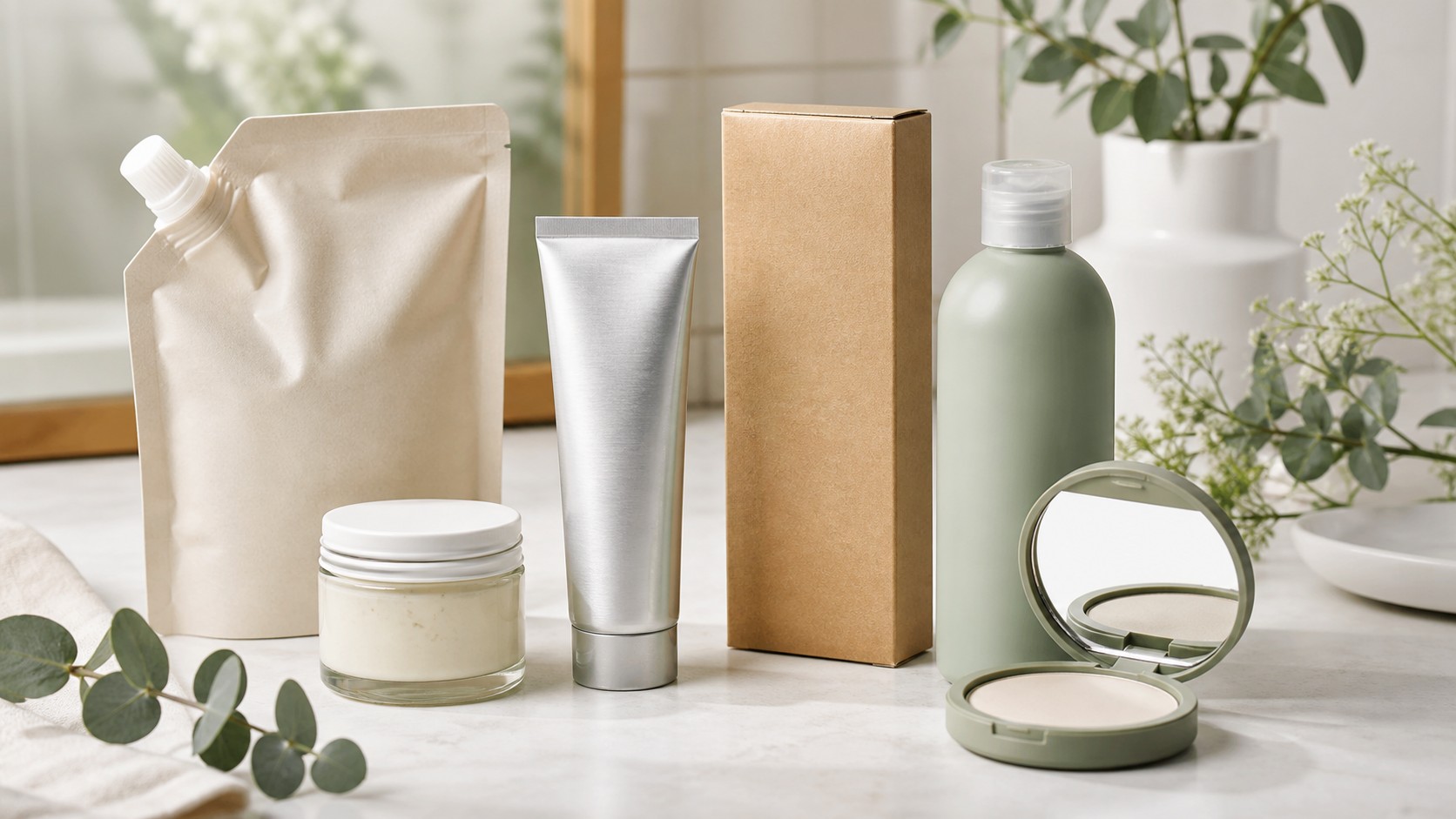
Most sustainable beauty packaging falls into four broad categories: reduced packaging, recyclable packaging, refillable packaging, and reusable packaging. Reduced packaging means the brand uses less material from the beginning. Recyclable packaging means the component can enter a recycling stream, at least in places that accept it. Refillable packaging means one part is kept while another part is replaced. Reusable packaging means the container is designed for a second life beyond the original product.
These categories can overlap, but they should not be blurred beyond meaning. A product can be recyclable without being low-waste. A refill can still include too much packaging. A reusable jar can become clutter if nobody wants to keep it. Beginners do not need perfect answers; they need to notice which claim is being made.
Reduced packaging is often the easiest win. If two similar products perform the same job and one uses a smaller, lighter, simpler package, that may be the more sustainable choice even if it looks less special. Beauty culture tends to reward dramatic presentation, but sustainability often rewards restraint.
Refillable packaging deserves more attention when you love a product enough to repurchase it. If you are testing a formula for the first time, a refill system may not matter yet. Once a product becomes a staple, refills can reduce the waste of buying the full component repeatedly.
Reusable packaging needs the same honest test. A jar is not truly reusable just because it could hold cotton swabs someday. It becomes reusable when the shape, lid, label removal, and size make that second use likely in a normal home.
Do Not Treat Materials Like Moral Teams
Beginners often hear that glass is good, plastic is bad, paper is good, and metal is modern. Real packaging is more complicated. Glass can be heavy and breakable. Plastic can protect products well and reduce shipping weight. Paperboard can help when it replaces plastic, but coatings and mixed materials may complicate recycling. Aluminum can be useful, but it still requires mining and processing.
A better question is whether the material fits the product. A shower cleanser needs durability around water. A vitamin C serum may need protection from light and air. A powder product may have different needs from a cream. Sustainable packaging should protect the formula well enough that the product is not wasted.
This perspective also prevents guilt shopping. You are not failing if you buy a plastic tube when that tube is lightweight, recyclable where you live, and appropriate for the formula. The goal is better choices, not a purity contest.
This is especially important when products live in wet rooms. Paper sounds charming until it softens beside a sink. Glass sounds clean until it falls on tile. Metal sounds modern until a dent prevents the cap from closing properly. A material has to survive the product’s real environment.
Beginners should also notice whether a material is being used for function or costume. A bamboo collar around a plastic pump may not change much if it cannot be separated or reused. A plain recycled-plastic bottle may look less special while reducing demand for virgin plastic.
A beginner can also compare products by the amount of package movement required. If the cap, collar, insert, box, and label all have different disposal instructions, the product may be asking too much from an ordinary shopper. Simpler material stories are easier to repeat.
Recycling Claims Need Local Reality
The word recyclable can be misleading because it depends on local systems. A package may be technically recyclable, but your municipal program may not accept that material, shape, size, or mixed component. Beauty packaging is especially tricky because pumps, droppers, mirrors, caps, and tiny parts are not always easy for facilities to process.
Beginners should look for instructions beyond the symbol. Does the brand tell you to remove the pump? Rinse the jar? Separate the cap? Mail the empty back? If the only guidance is a tiny icon, the brand may be relying on the shopper to solve the hard part.
If you are unsure, start with your city’s recycling rules. Many programs publish accepted materials online, and those lists can make beauty shopping less abstract. Once you know pumps, black plastic, tiny caps, or coated paper are a problem where you live, you can shop with sharper eyes.
Refillable Beauty Works Best for Products You Repeat
A refill system is most useful when you already know you will finish the product again and again. Moisturizer, cleanser, deodorant, hand wash, shampoo, and favorite complexion products can make sense because the refill replaces a product with regular turnover. A trendy shade or occasional mask may not justify a permanent case if it sits unused.
Look at the refill itself. It should use less material, ship efficiently, and fit the original container without mess. If the refill arrives with multiple boxes, thick plastic, and confusing instructions, the sustainability math becomes weaker.
Refill programs also need convenience. If refills are constantly sold out or available only through a complicated subscription, customers may return to the regular package. Sustainable systems should make the lower-waste choice the easier repeat choice.
The best beginner rule is simple: buy the refill after the product has earned a place in your routine. Sustainability becomes more realistic when it follows actual loyalty.
Refill math should also include storage. If the refill pouches pile up because you bought too many at once, or if the permanent container is awkward to clean, the system may not fit your life. Sustainable packaging should reduce clutter, not create a new drawer of good intentions.
Watch for Greenwashing Without Becoming Cynical
Greenwashing happens when a brand uses environmental language or visuals without enough substance. Words like eco, conscious, earth-friendly, sustainable, and clean packaging can sound reassuring while saying very little. Beginners should not panic at every soft phrase, but they should look for specifics.
Specifics include the percentage of recycled material, whether the package is refillable, which parts are recyclable, how much plastic was reduced, what the mail-back program accepts, and whether disposal instructions are clear. A brand that gives details is easier to trust than one that relies on a leaf icon and a soothing color palette.
Cynicism is not necessary. Many brands are genuinely improving packaging. The skill is separating useful improvements from vague atmosphere. A practical shopper can appreciate progress while still asking for evidence.
A beginner can make this easier by asking for one concrete fact before buying. What material changed? How much plastic was reduced? Which part is recycled content? What should I do with the empty? If the brand answers one or two of those clearly, the claim becomes easier to judge.
This habit keeps sustainable beauty from feeling like a personality test. You are not trying to expose every brand as bad. You are asking whether the package gives you enough information to participate in the lower-waste promise.
Greenwashing can also show up through scale. A brand may highlight one eco package while the rest of the line remains oversized or confusing. That single improvement may still be progress, but beginners should notice whether the change is a pilot, a signature product, or a real company-wide direction.
Build a Simple Shelf Audit at Home
Before replacing everything, look at what you already own. Which products come in oversized boxes? Which have pumps you cannot recycle? Which jars are nearly empty but hard to clean? Which products do you repurchase often enough for refills? A shelf audit turns sustainability from an abstract value into a map of your real routine.
This audit can reveal easy changes. Maybe you switch one staple to a refill. Maybe you stop buying minis that create extra packaging. Maybe you choose a bar cleanser for travel. Maybe you keep a jar for storage instead of treating reuse as something decorative you have to force.
Sustainable beauty starts working when it respects your habits. The best beginner changes are the ones you can repeat without needing a new personality.
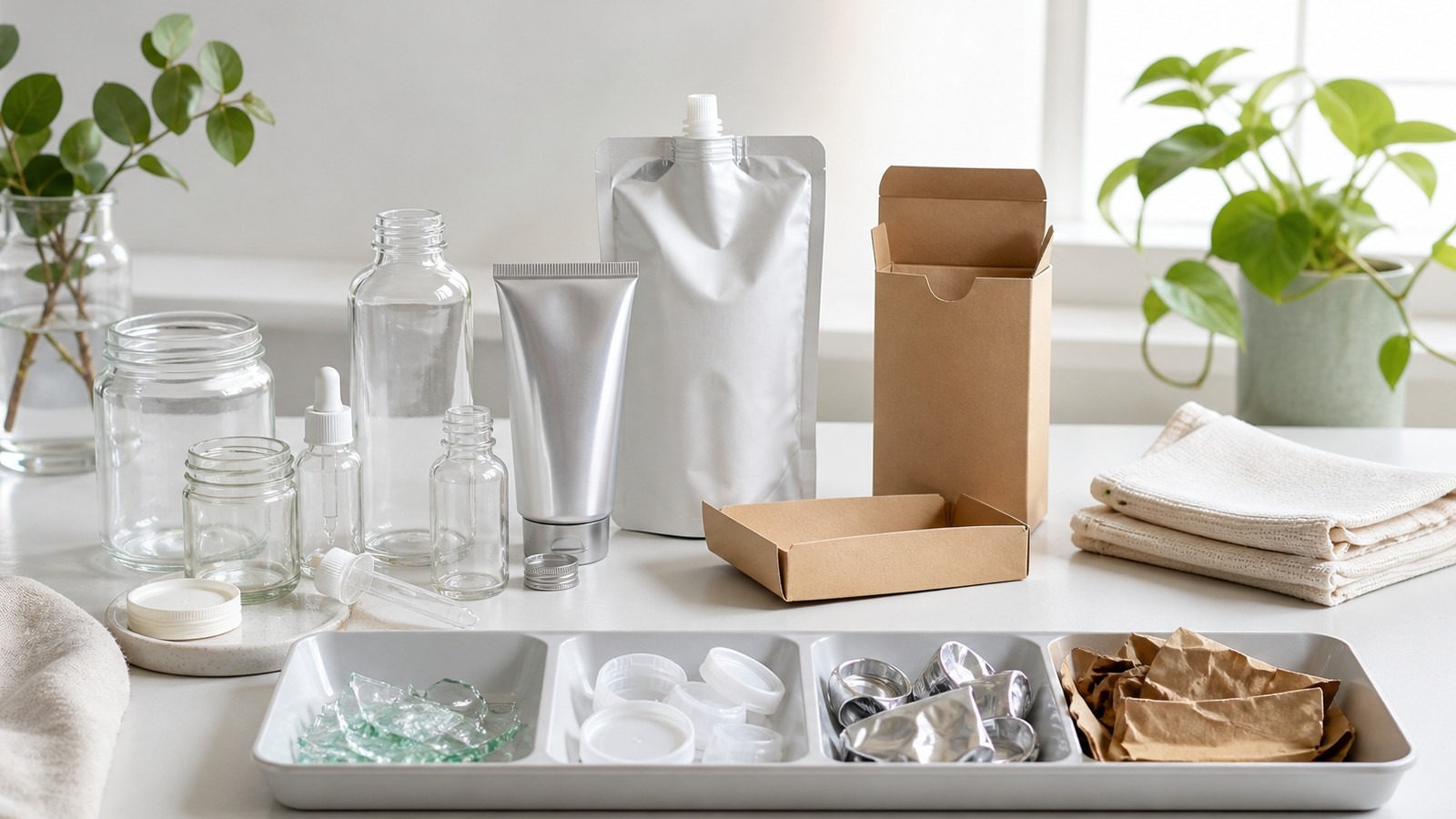
The audit can be casual. Put a few finished products on a towel and sort them by what you know how to dispose of and what confuses you. The confusing pile is your education list. It shows which brands need better instructions and which package types you may want to avoid next time.
Repeat the audit after a few months. Sustainable packaging is easier to understand when you see which products you actually finish, which empties confuse you again, and which lower-waste choices you were willing to buy twice.
Gloss Street’s Take
Sustainable beauty packaging is not about finding one perfect material. It is about choosing packages with clear purpose, less excess, realistic reuse or recycling, and honest instructions.
Beginners should feel allowed to move gradually. Learn the claim, check the action, and choose the package that makes the lower-waste behavior easiest. That is how sustainable packaging becomes part of beauty shopping instead of a confusing side quest.
A beginner does not need to solve every packaging tradeoff. Progress can be as small as choosing one refill for a moisturizer you already love, skipping an oversized gift set, or buying a larger staple instead of repeated minis. Small repeated decisions beat one dramatic sustainable haul.
That slow approach also makes your eye sharper. After a few purchases, you will start noticing which brands explain the boring details and which ones lean on mood. Sustainable packaging becomes much easier once the vague claims stop impressing you.